May 12 – 15
I’m finally on the home stretch of our travel stories from Japan. This post covers our last three port stops in Japan: Osaka, Shimizu and Tokyo. If you’re just joining us, this is the third and final installment of our Viking Orion Far Eastern Horizons Cruise. For the first two posts, click here and here.
This is a bit long, so get a beverage of your choice and read on to enjoy the sights of Japan!
Osaka
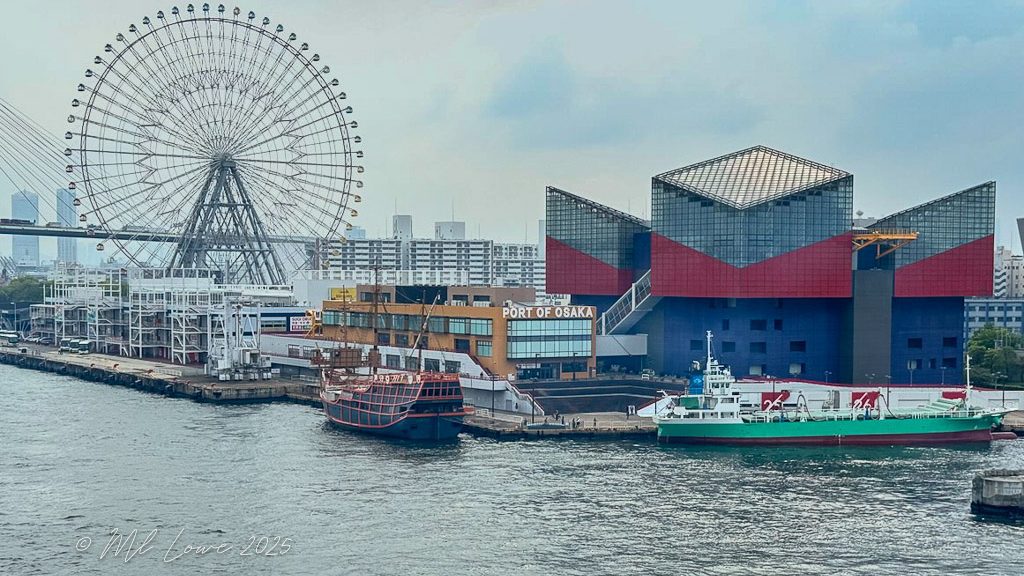
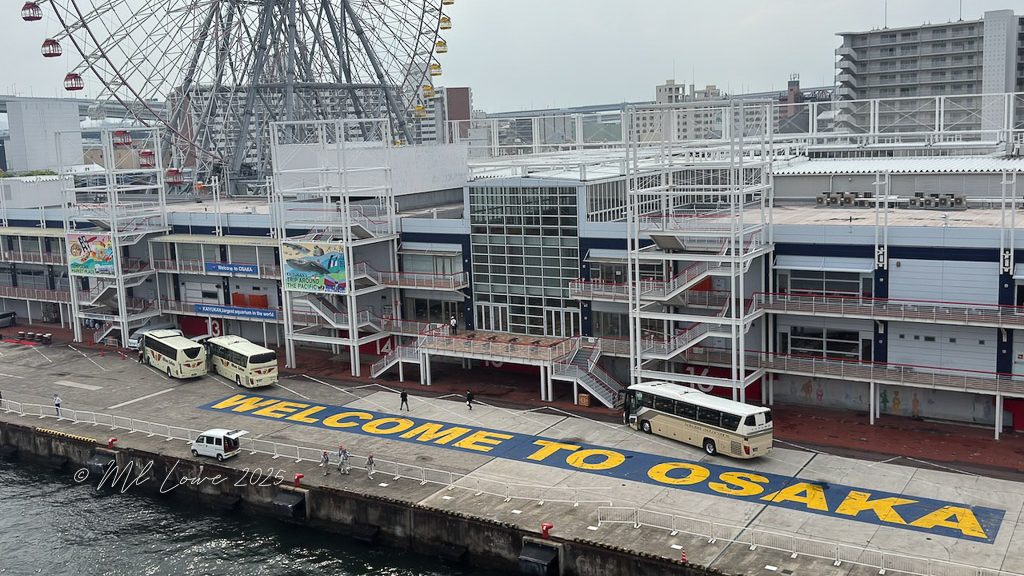
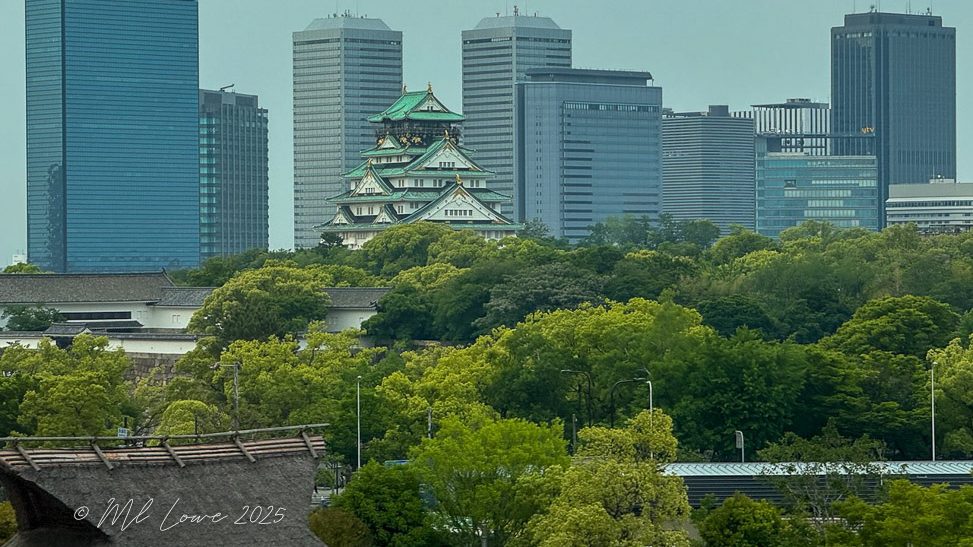
Osaka is Japan’s third largest city by population, and a major economic hub. In fact, it’s considered to be the country’s economic center. However, while Viking Orion docked at the Bay Area of Osaka, both of our excursions were hours away as the city was the jump-off point to visit Kyoto.
Kyoto
Kyoto was the capital of Japan for 1,000 years and the emperor’s residence from 794 until 1868. The city of countless temples, shrines and stunning architecture were spared from destruction during WWII. They, along with other historically priceless structures survive in the city.
With so many attractions to see, we joined two excursions to the most notable ones: the Kinkaku-ji (or Golden Pavilion) and the Nijo Castle. The downside of these excursions was a long drive to see them, and they are so popular that both locals and us – the foreigners – overrun them. The upside was that we were able to appreciate the city’s geography and the pretty forested mountains along the way, as Kyoto sits in a valley.
Kinkaku-ji Temple or Golden Pavillion
The Kinkaku-ji Temple is an example of elaborate 14th-century decor, with its opulent gold leaf -plated facade and bronze phoenix towering above. Initially built as a residence for shogun Ashikaga Yoshimitsu, this UNESCO World Heritage site was later converted to a Buddhist temple.
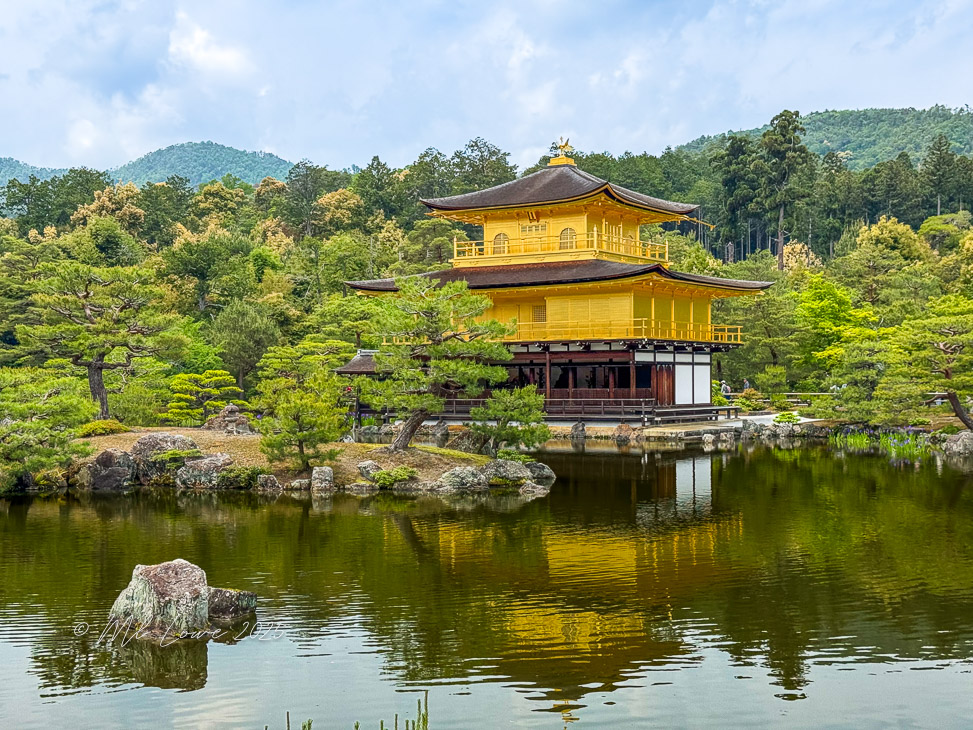


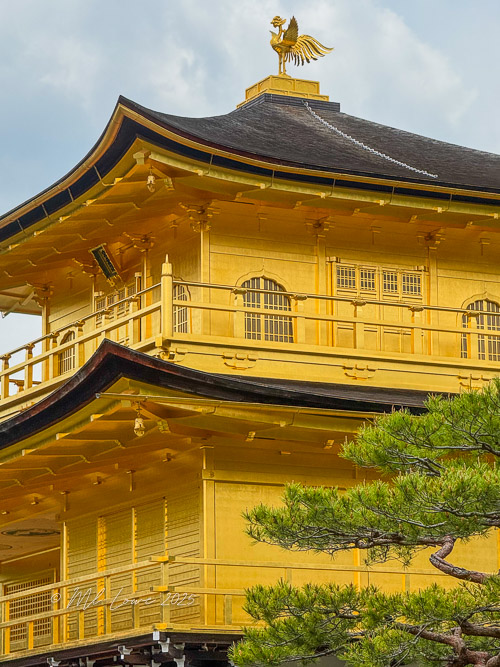
The original structure had been burned down several times, and this one was rebuilt in 1955. I won’t bore you with the details and history of the temple. To learn more, click here.
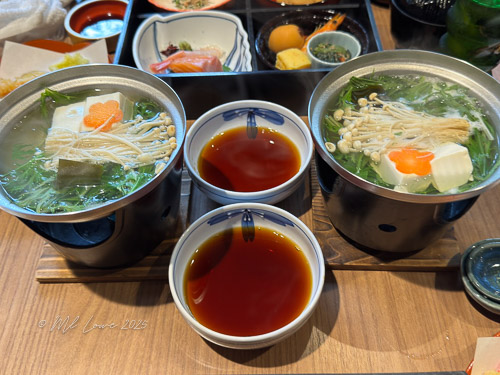
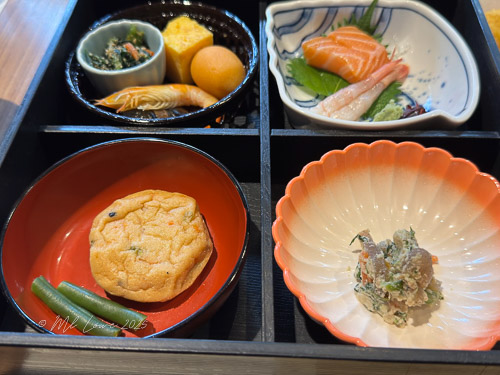
After the tour we were treated to a Japanese-style lunch. We liked it for it’s umami taste!
Nijo Castle
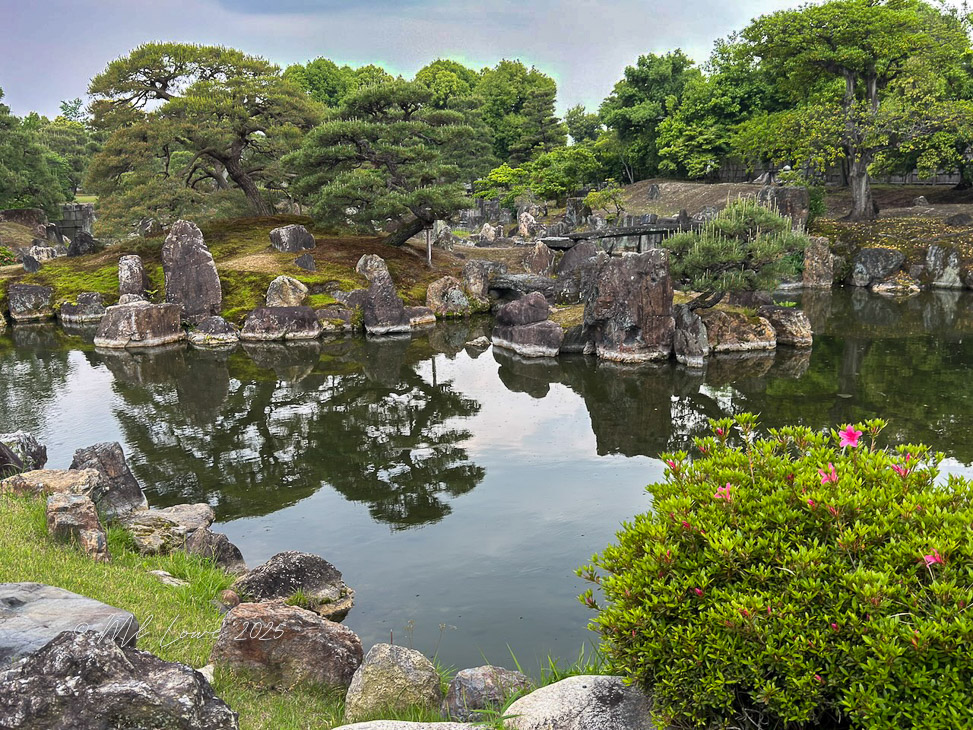
After lunch our final tour was at another significant sight in Kyoto, the Nijō Castle. It is one of the best surviving examples of castle palace architecture from Japan’s feudal era. It was built in the 17th century by Ieyasu, founder of the Tokugawa shogunate and first shogun of the Edo period:
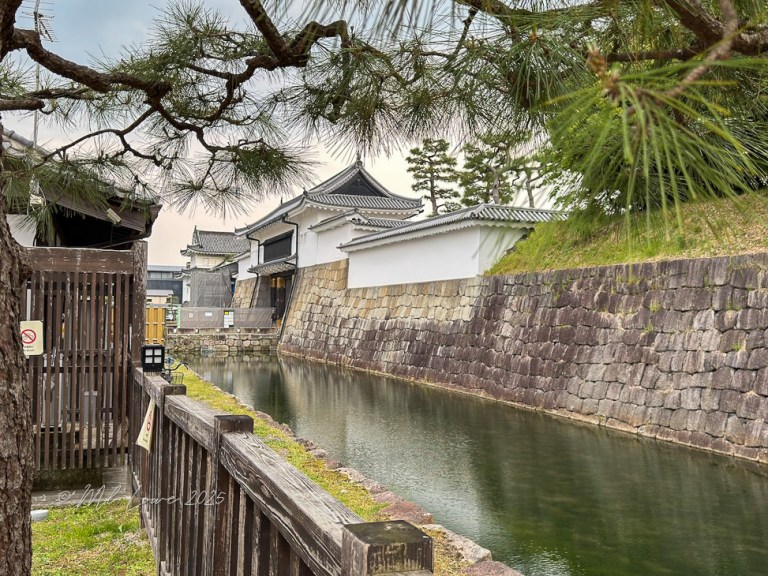
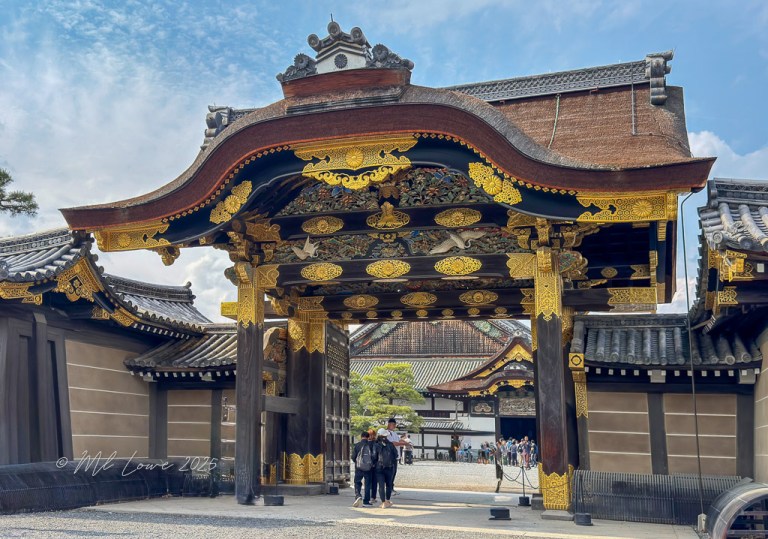
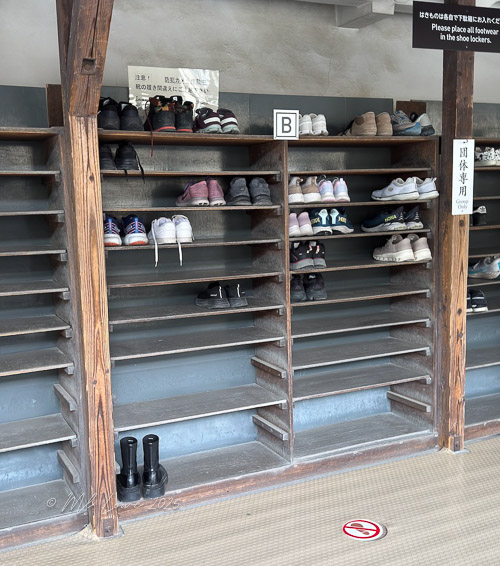
To get inside the palace, we had to leave our shoes behind and photography was not allowed. The tour route passed by multiple waiting and audience rooms. While walking along the corridors we learned about its design features and noticed the floors were creaking. According to our tour guide the palace’s creaking floors, or “bush warbler boards” are an integral design attribute, warning the occupants of possible intruders, basically a security system. The palace rooms were covered in tatami mats and featured decorated ceilings and beautifully painted sliding doors (fusumas). The interior reminded me of the movie “Shogun”.
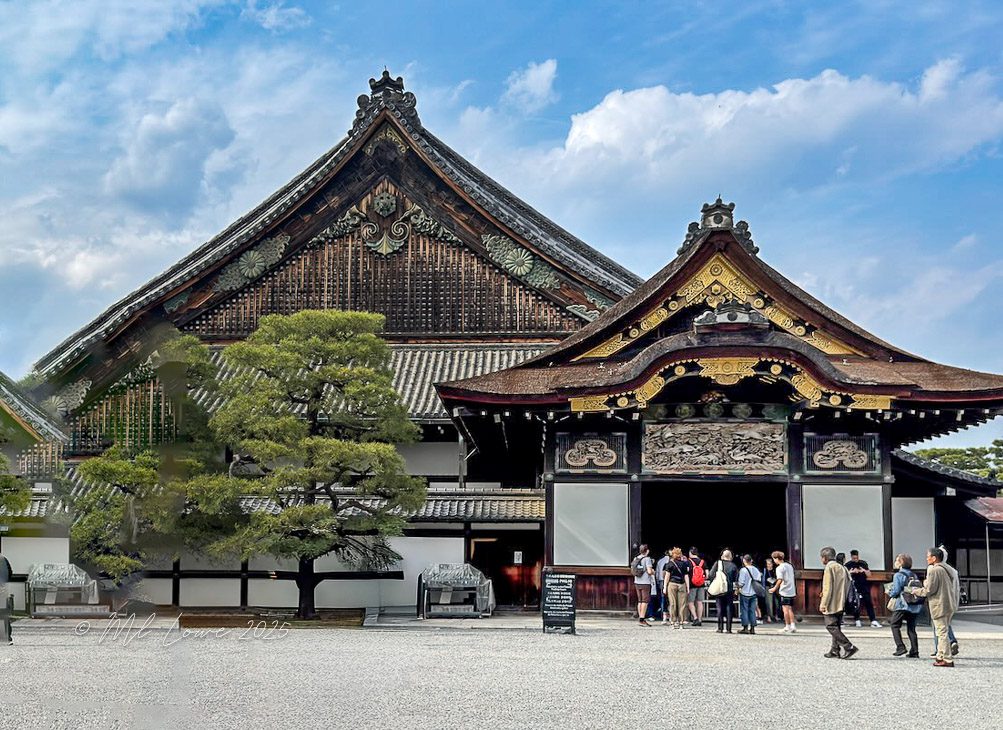
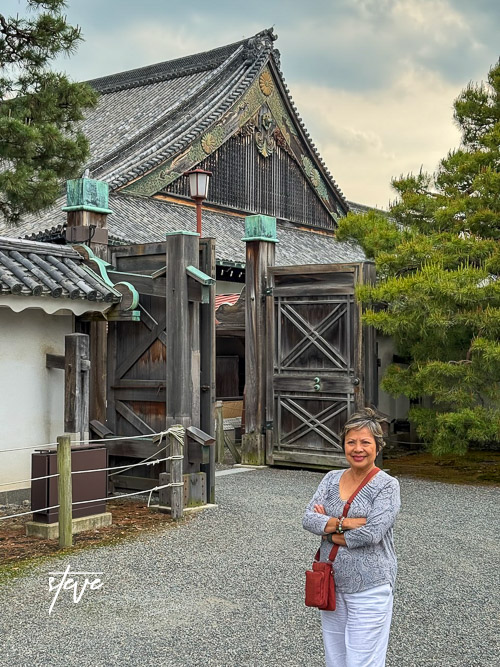
We weren’t very excited about this tour, as it was too crowded and very hot as we walked through the hallways.
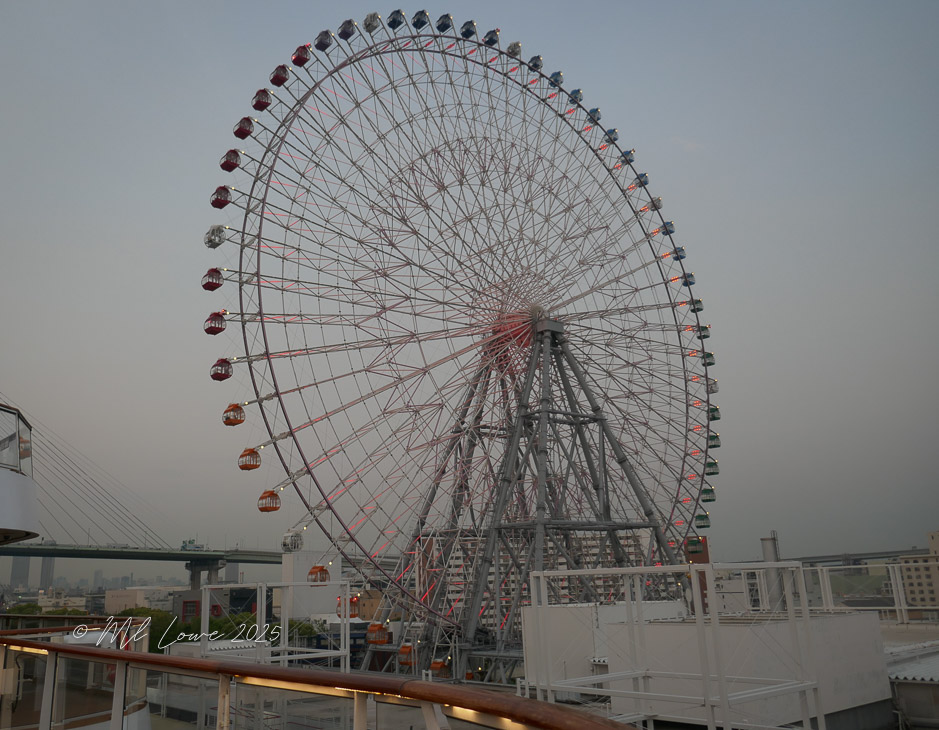
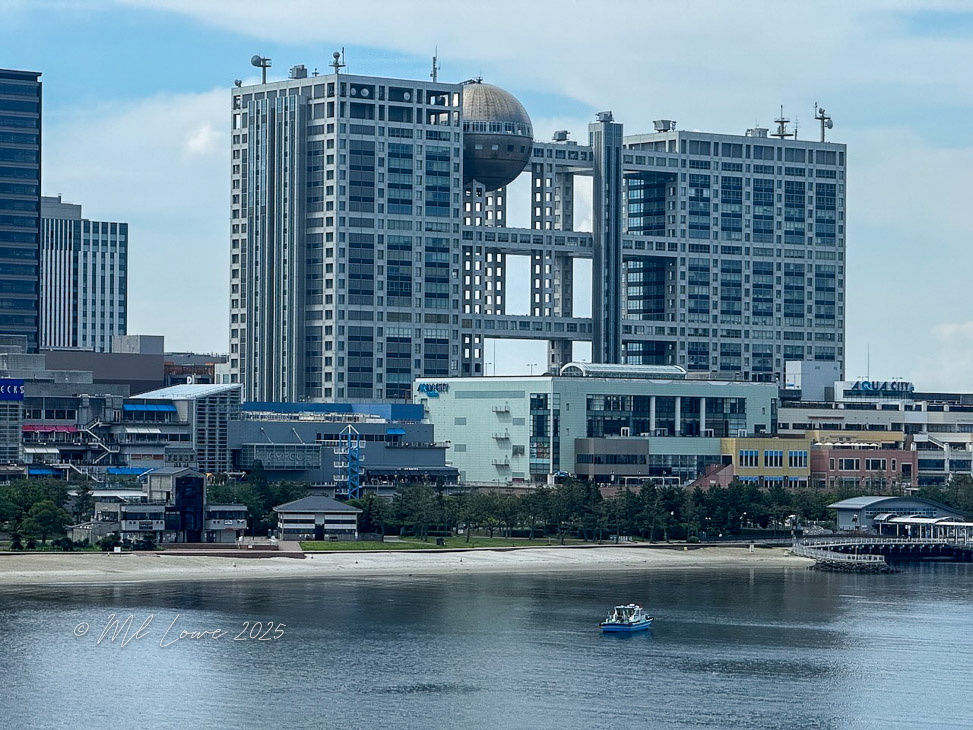
Back at the ship, Steve wanted so much to ride on this huge ferris wheel, the second largest in Japan. We got home too late from our tour and didn’t have enough time before the ship sailed 🙁
Shimizu
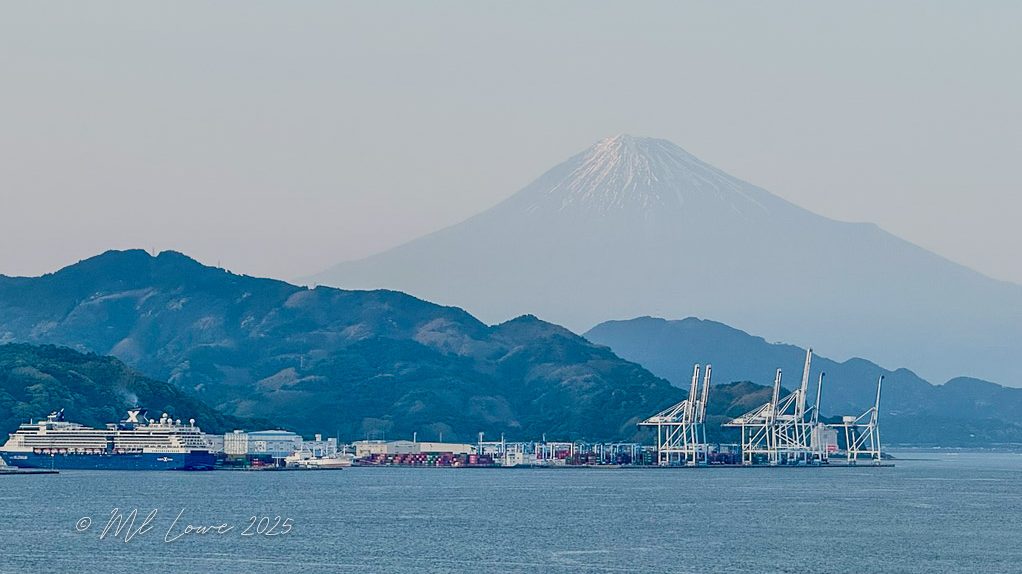
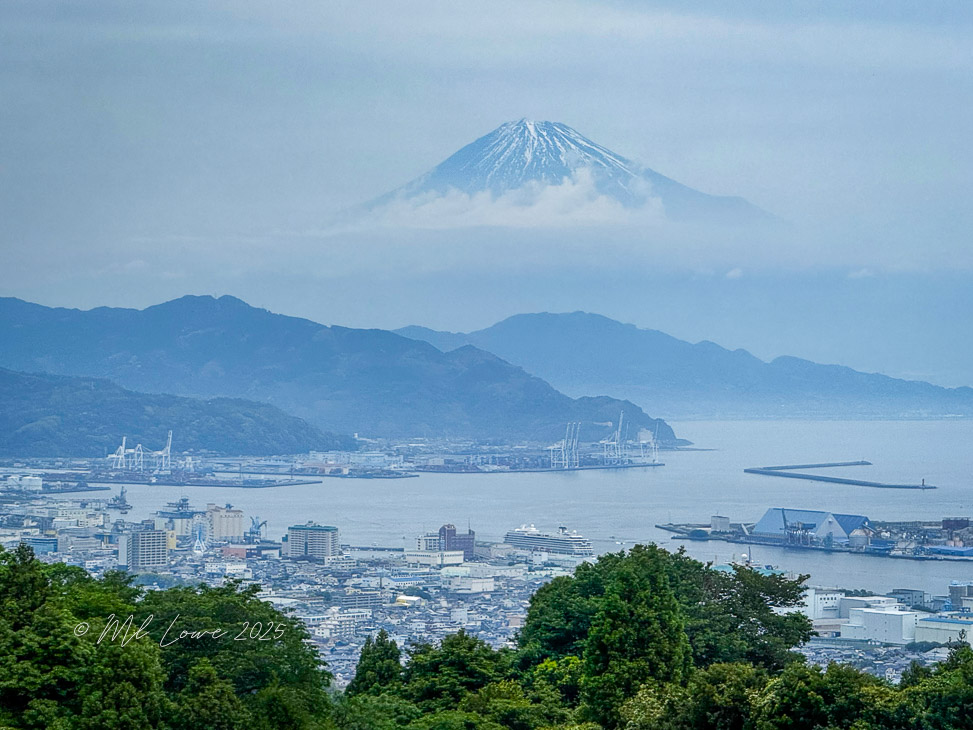
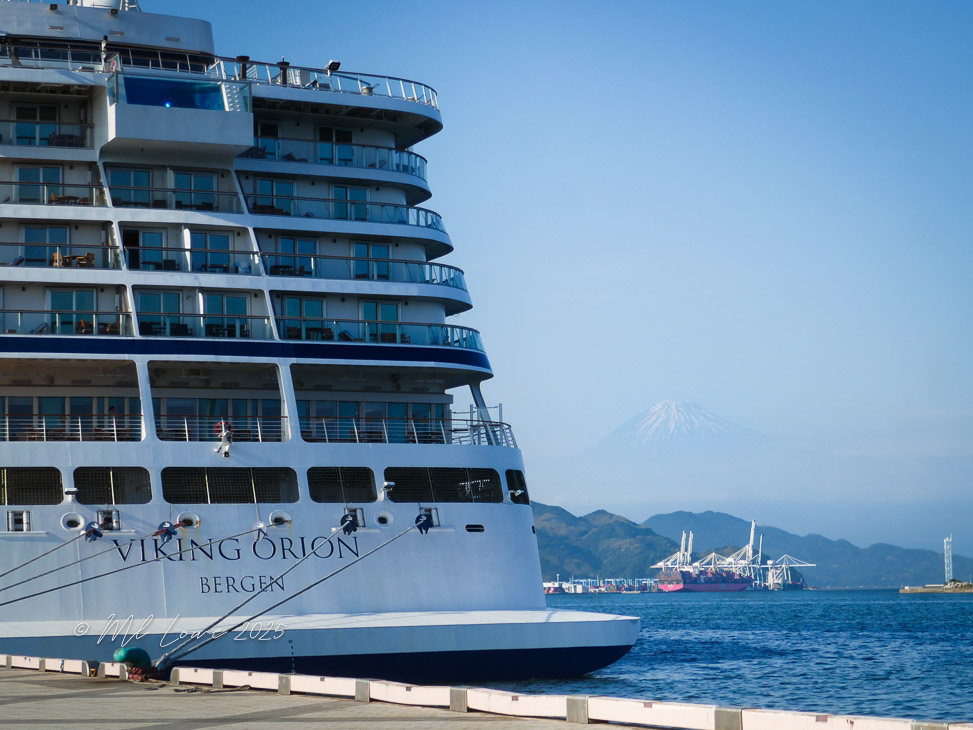
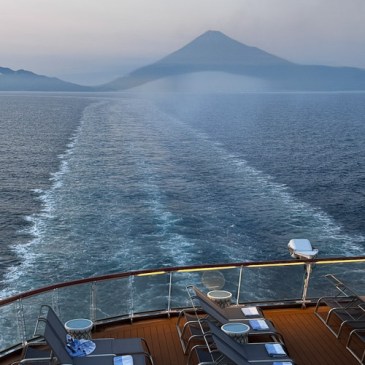
Shimizu is a scenic port set on Suruga Bay in the Shizuka prefecture. It is watched over by Mt. Fuji, Japan’s most sacred and iconic mountain. It’s also among Japan’s most scenic ports, thanks to wonderful views of the mountain on clear days:
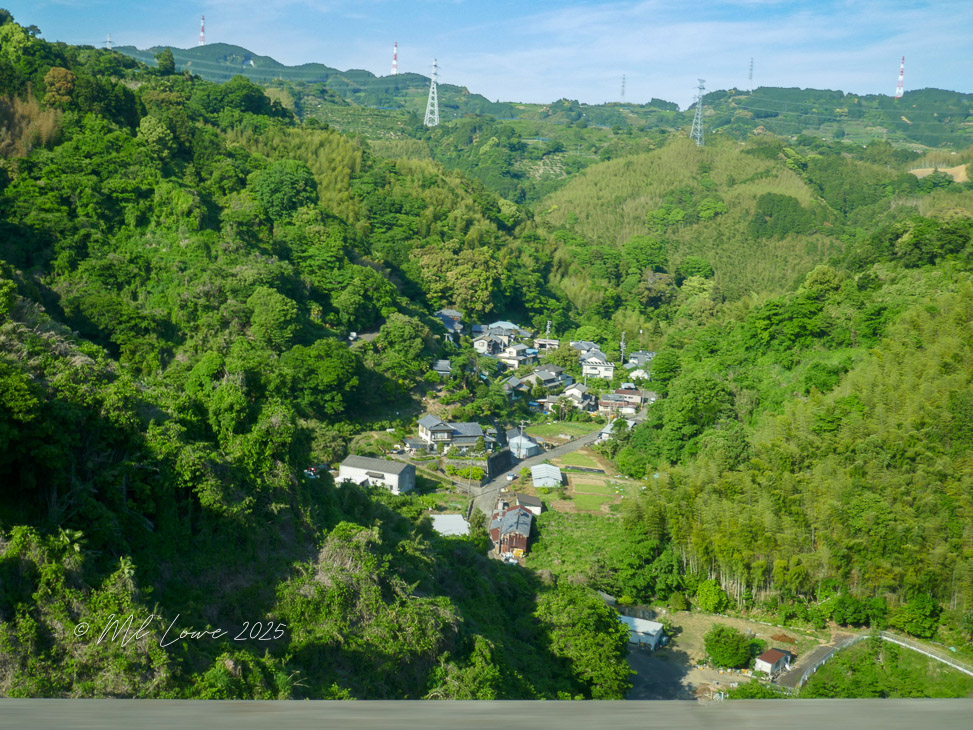
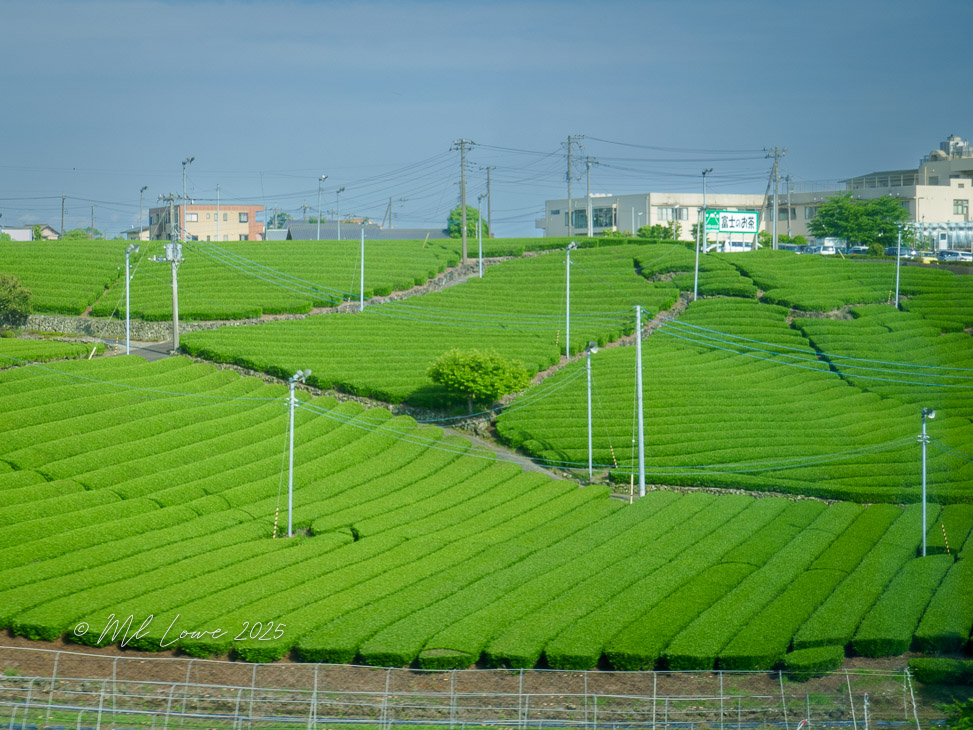
This was our favorite port stop in Japan, despite the long drives to get to our destination tours. We enjoyed viewing the scenic countryside and experiencing the culture, seeing tea leaf plantations and more:

Miho no Matsubara
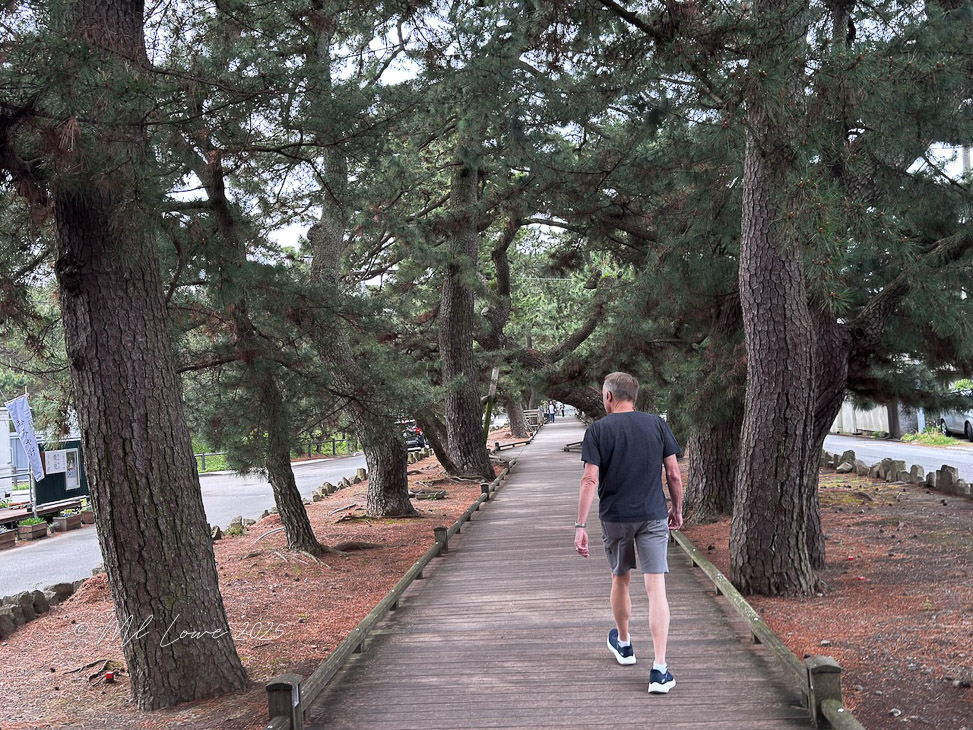
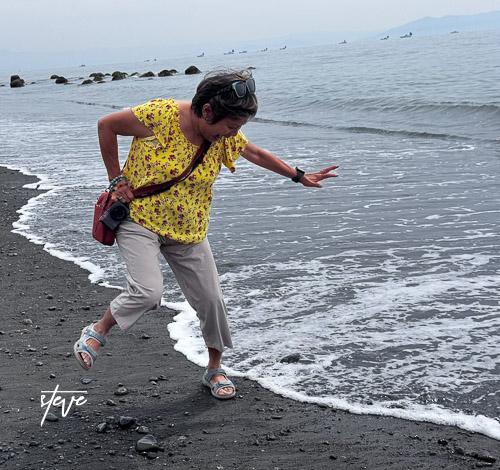
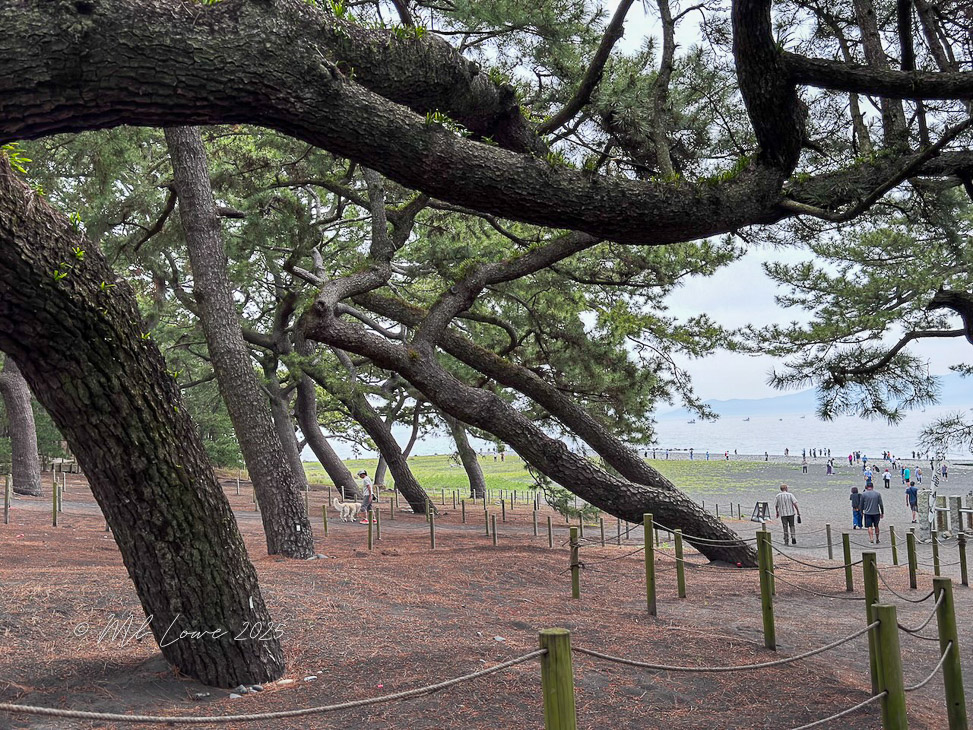
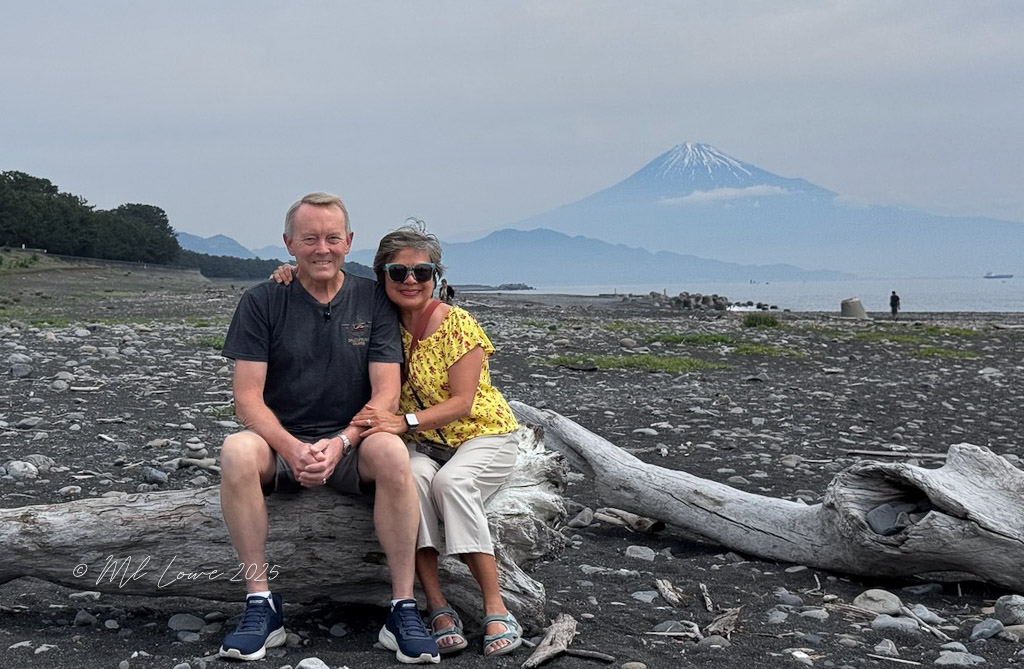
Miho no Matsubara is known for its green pine tree lined trail and a seashore with those trees spanning over four miles. This trek was about the journey and the destination. The journey was walking along the trail lined with old green pine trees all the way to the beach, and the destination was a great view of Mt. Fuji while on the black sand at Miho Beach. The weather was far from clear but we had good photo ops:
Shiraito Falls
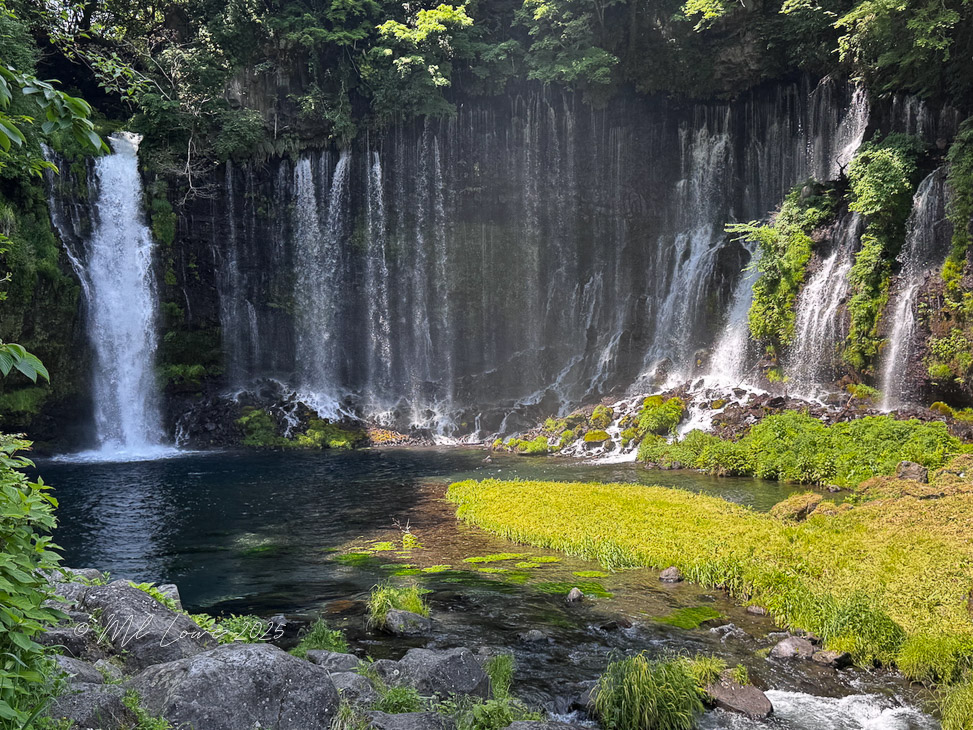
At Shiraito Falls, pure mountain water from Mt. Fuji cascades down some 65′. It threads through the rocky face behind it like a long stretch of white veil. Play the clip below to see it:
Nihondaira Terrace
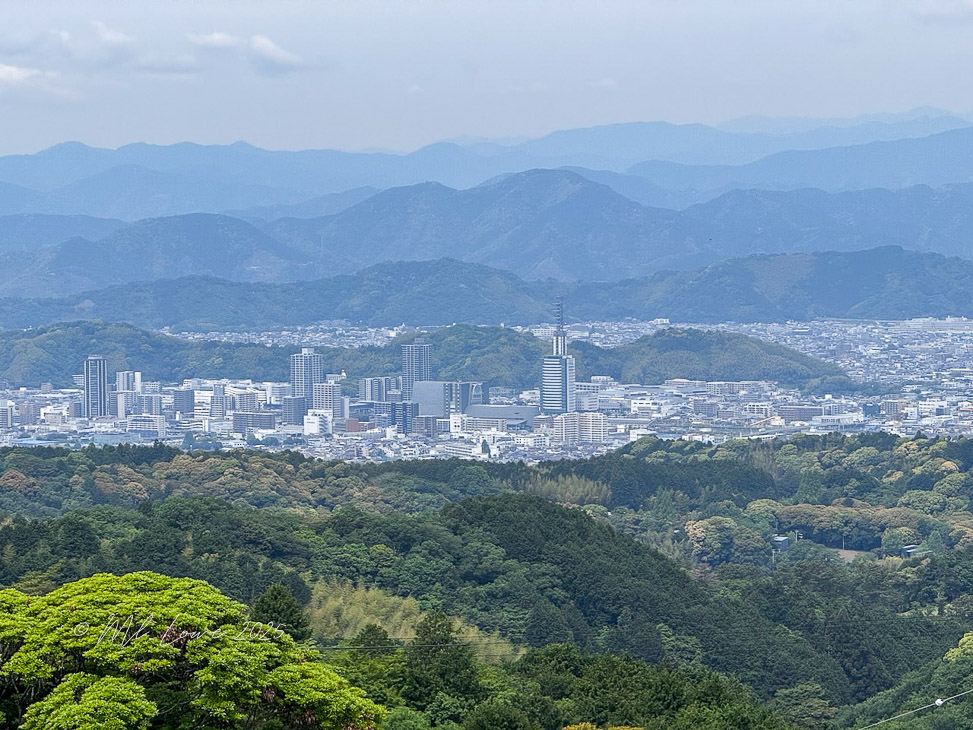
From a natural observation deck we were offered sweeping vistas of Shimizu City, cone-shaped Mt. Fuji and picturesque views of the Izu Peninsula and Shimizu Bay:
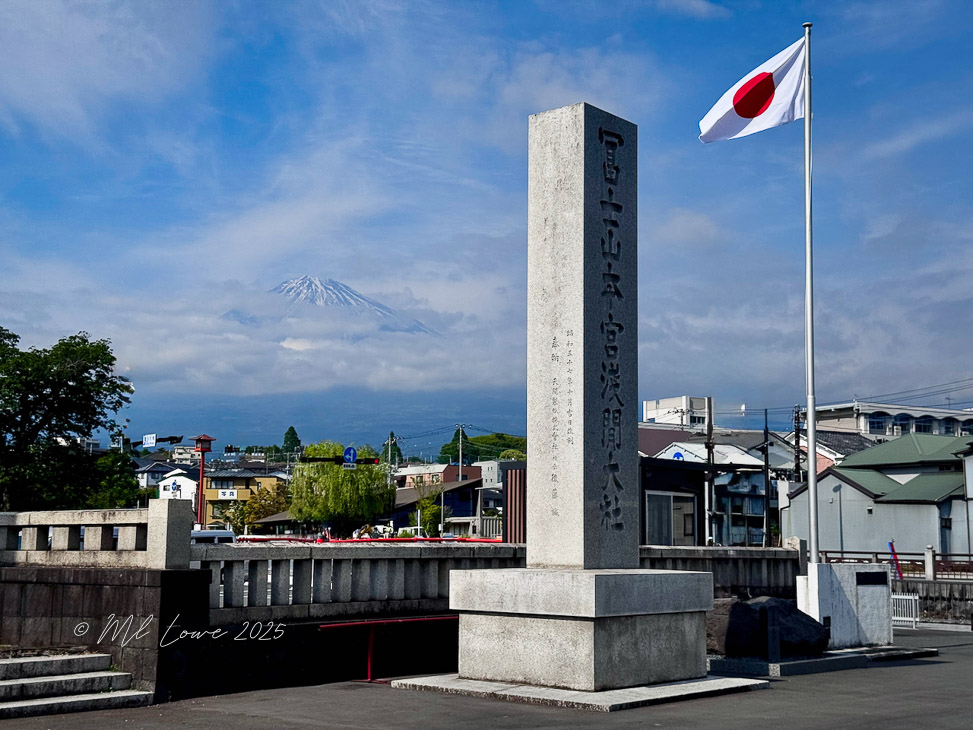
Fujisan Hongū Sengen Taisha
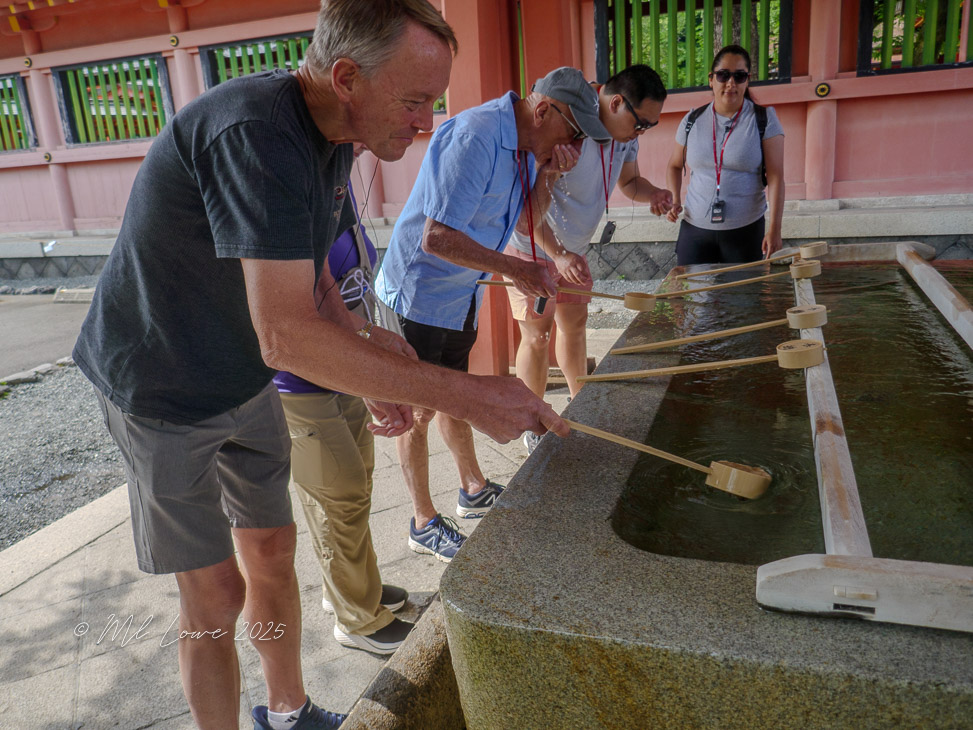
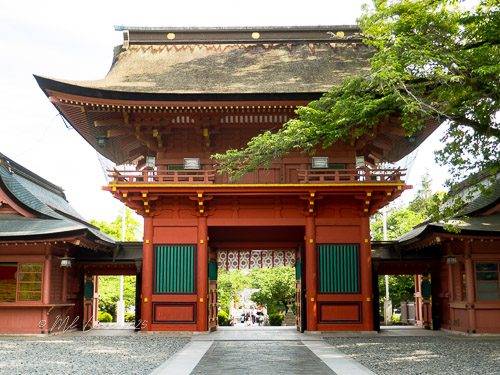
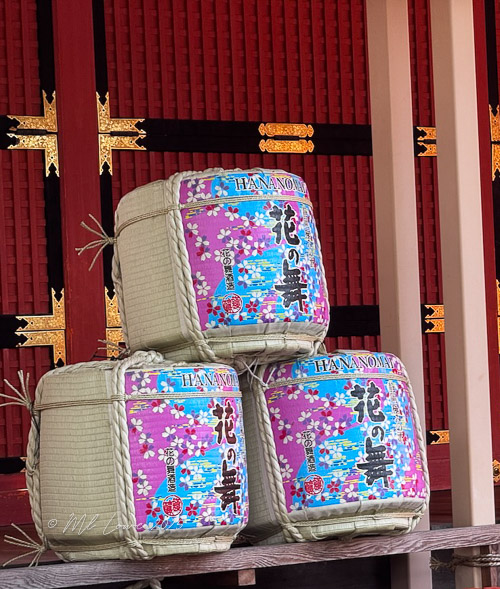
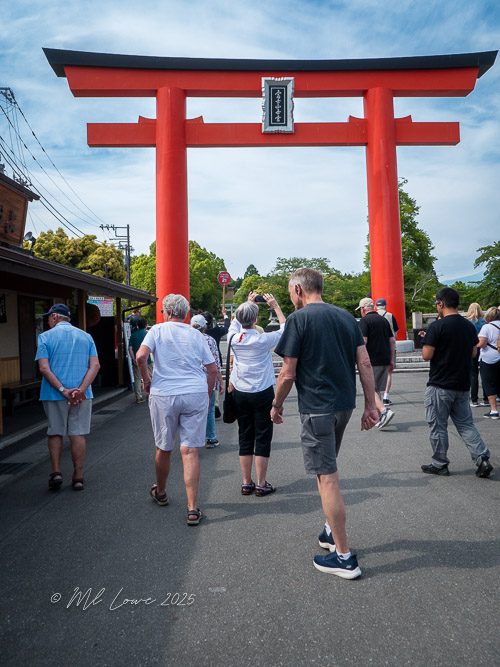
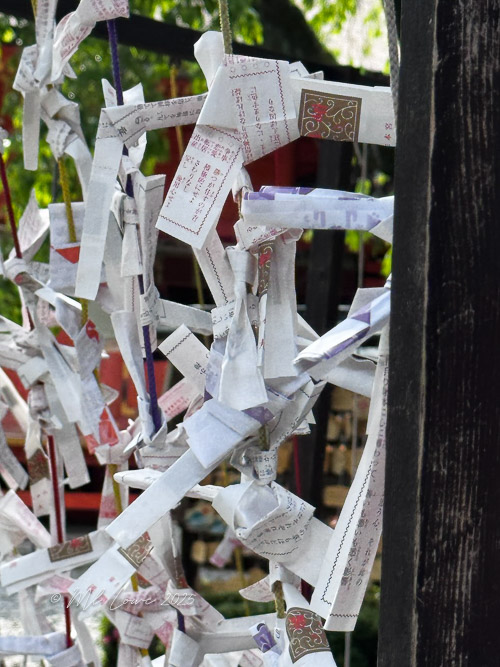
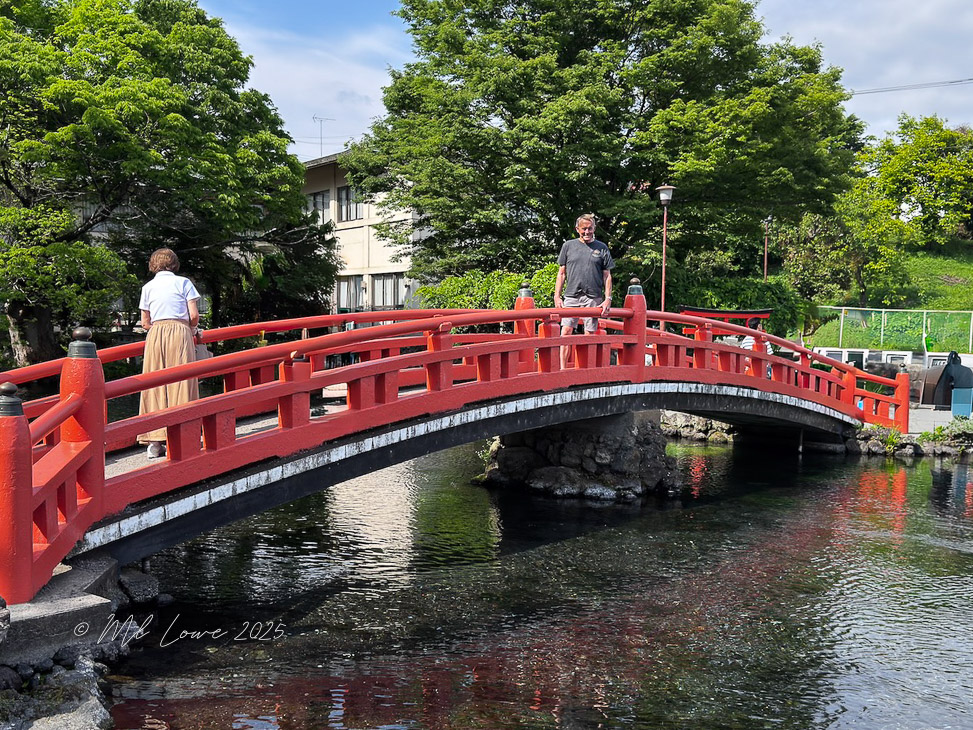
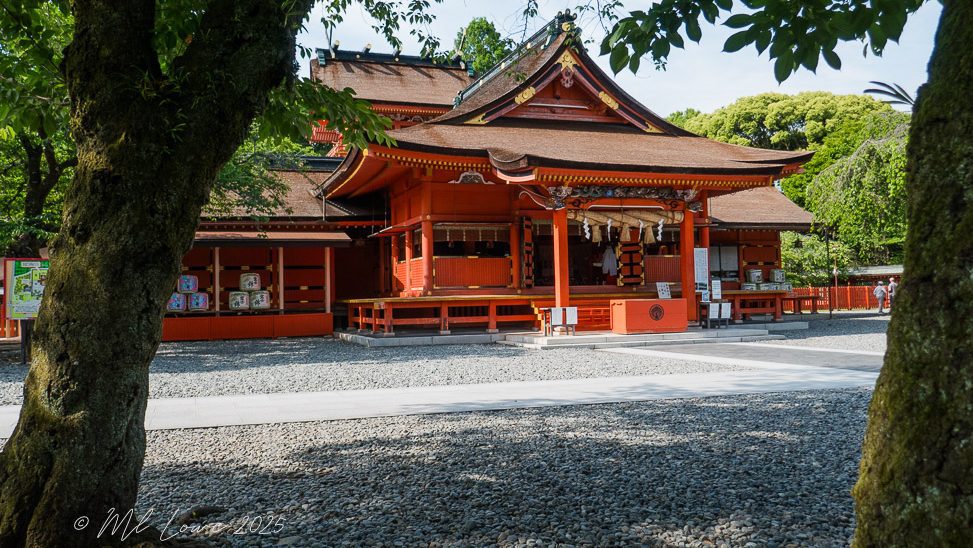
Lastly, we visited Fujisan Hongū Senge Taishah, a grand Shinto shrine and traditional starting point for pilgrims hiking up the mountain. Most of the shrine’s original structures were built during the early Edo period, while the inner shrine features Sengen-style architecture:
Sushi Dinner
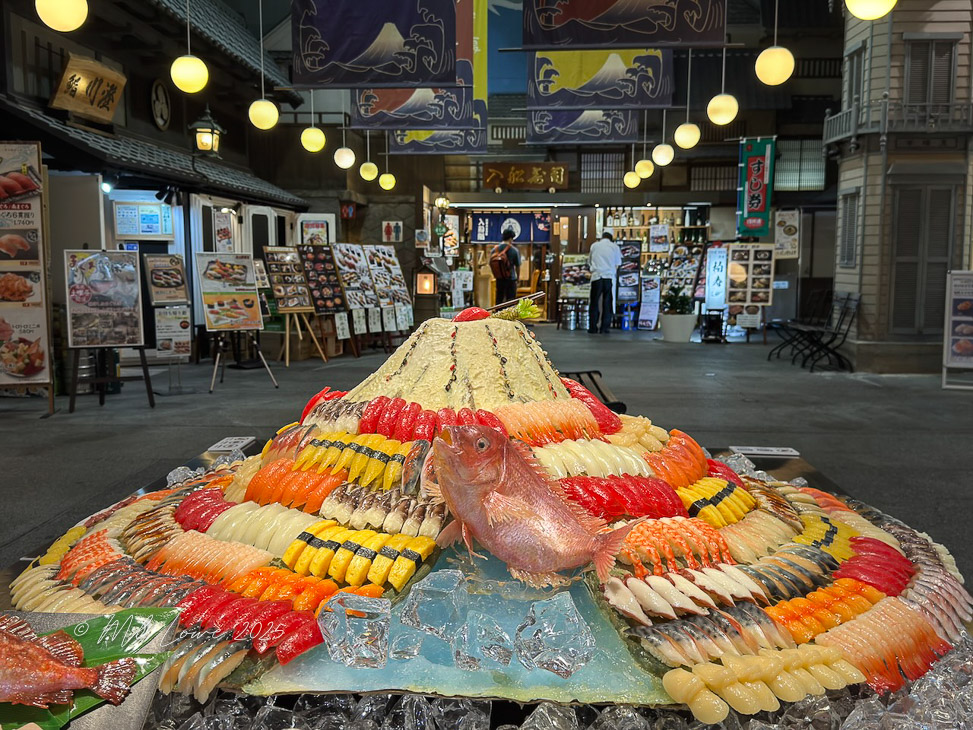
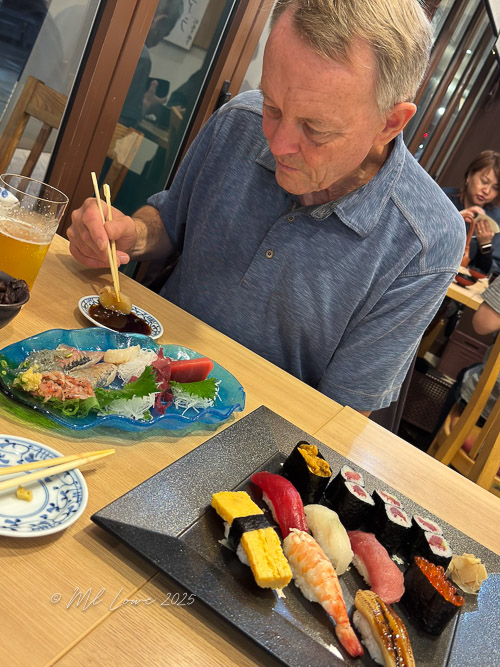
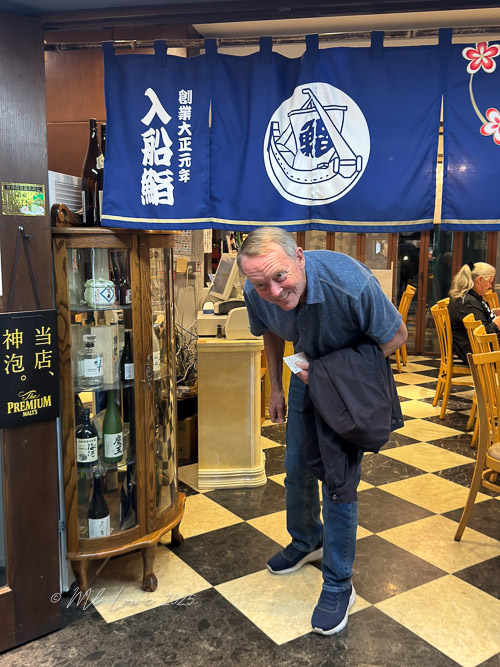
Some of you know that we love sushi, and what better place to enjoy the real deal! Sushi is a staple of Japanese cuisine and culture. Lucky for us a large market with many sushi restaurants was just a short walk from the ship:
Geisha Performance
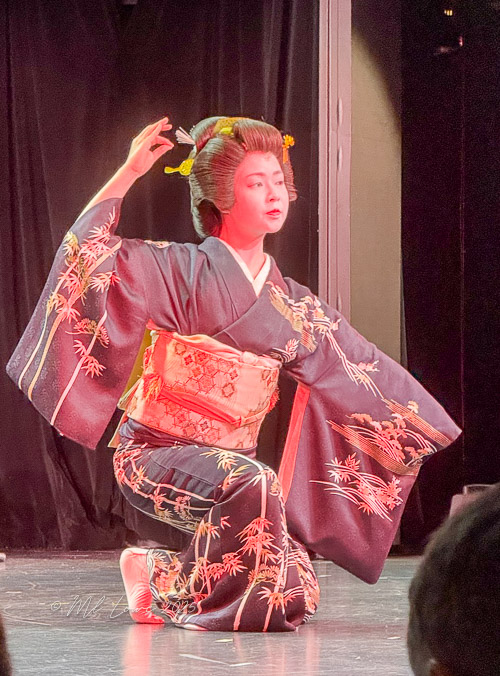
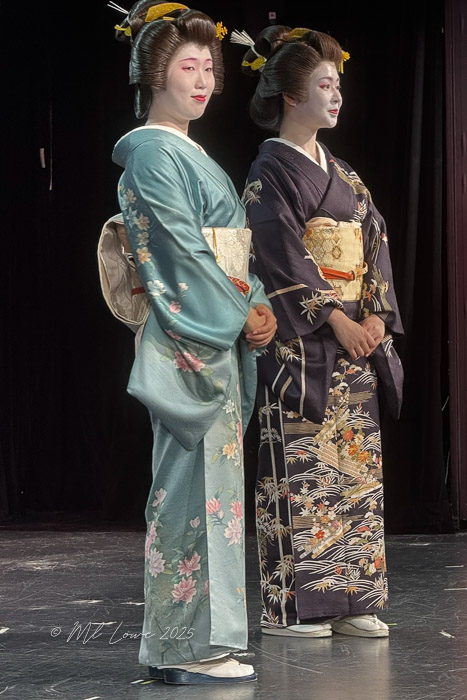
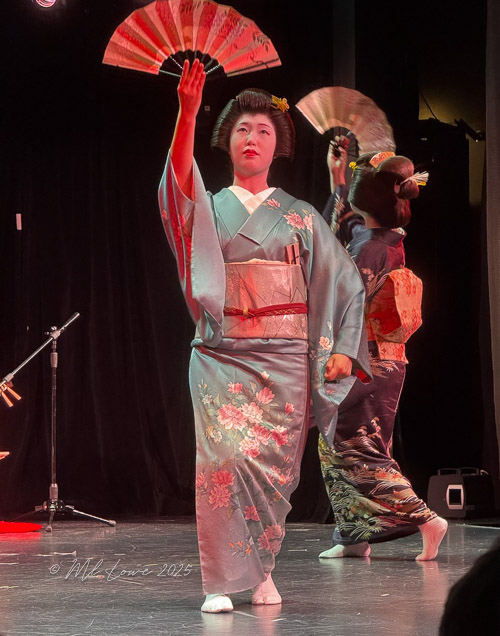
Back on the ship I watched a performance by two beautiful geishas. Geishas are an important part of Japanese culture from the 18th century, and they were highly valued and popular among Japan’s upper class. They are educated in the ancient traditions of art, dance, and song. The word geisha literally translates to “person of art”. It was a treat to see them perform dressed in their colorful costumes and makeup, and I was fascinated as I watched each dance that had a story to tell. There was an interpreter translating the Japanese movements and songs:
Tokyo
Our final stop was at the capital and largest city in Japan. It is the economic and cultural heart of the country – a blend of ultramodern skyscrapers intermixed with historic temples and Shinto shrines. It’s also one of the world’s largest metropolitan areas and most populous cities.
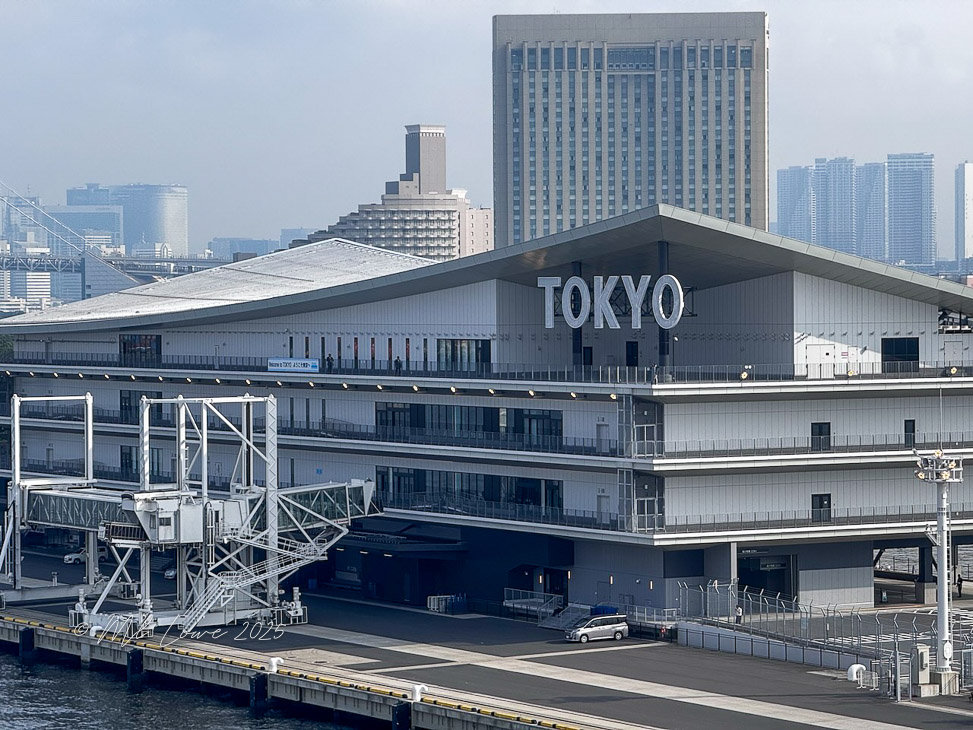
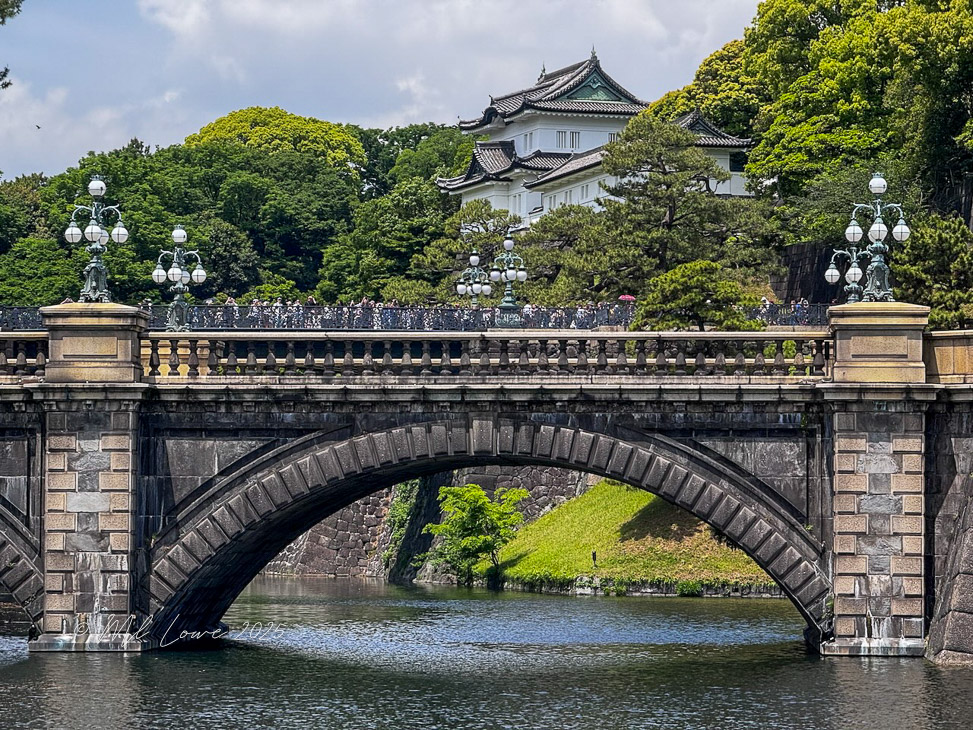
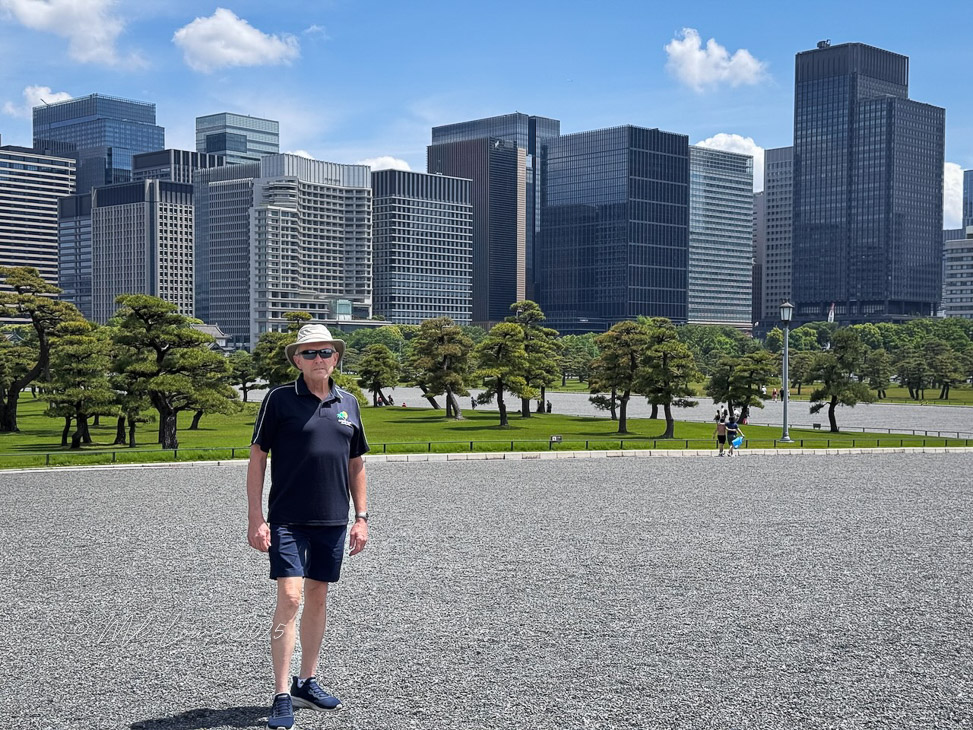
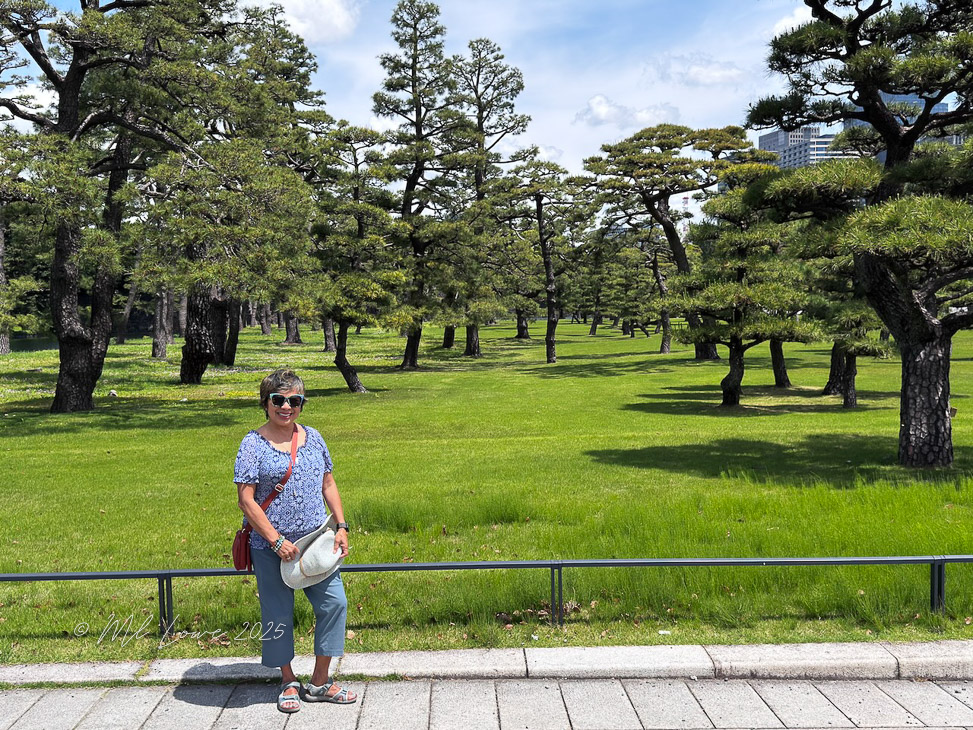
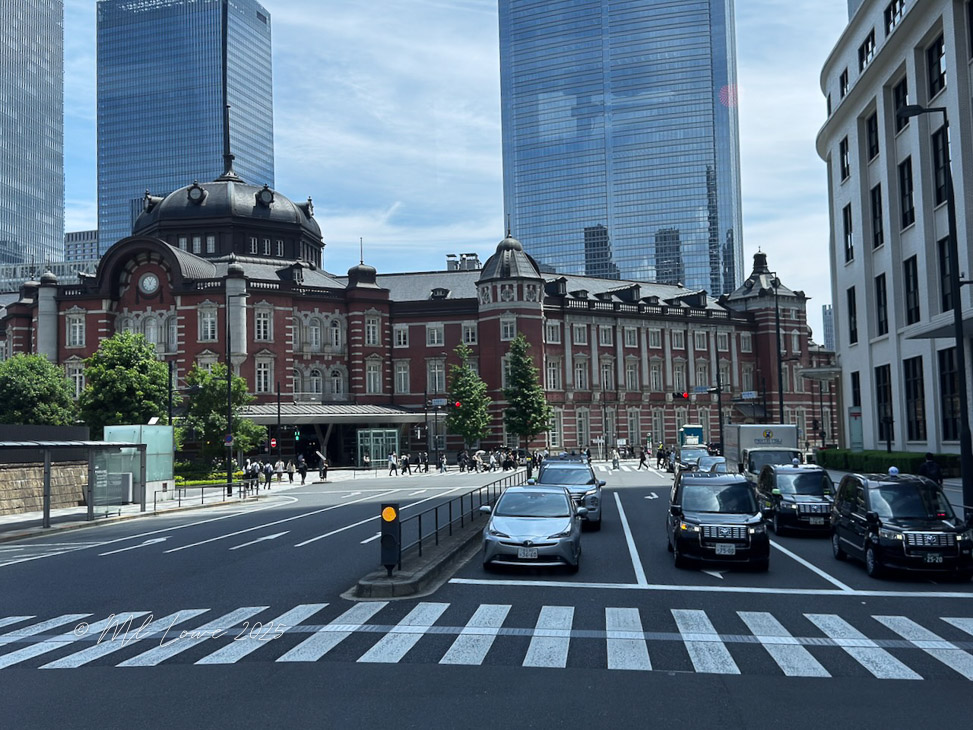
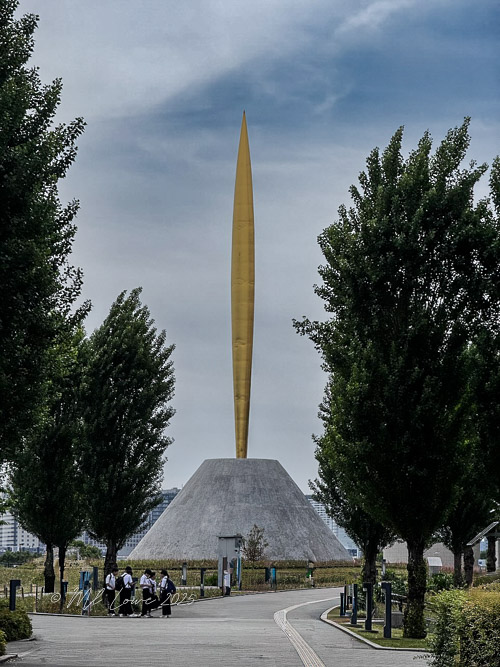
With only one day left on our cruise, we joined a panoramic excursion to get a glimpse of this metropolis. With limited time we didn’t get a real good look, and our excursion only scratched the surface of this wonderful, vibrant city:

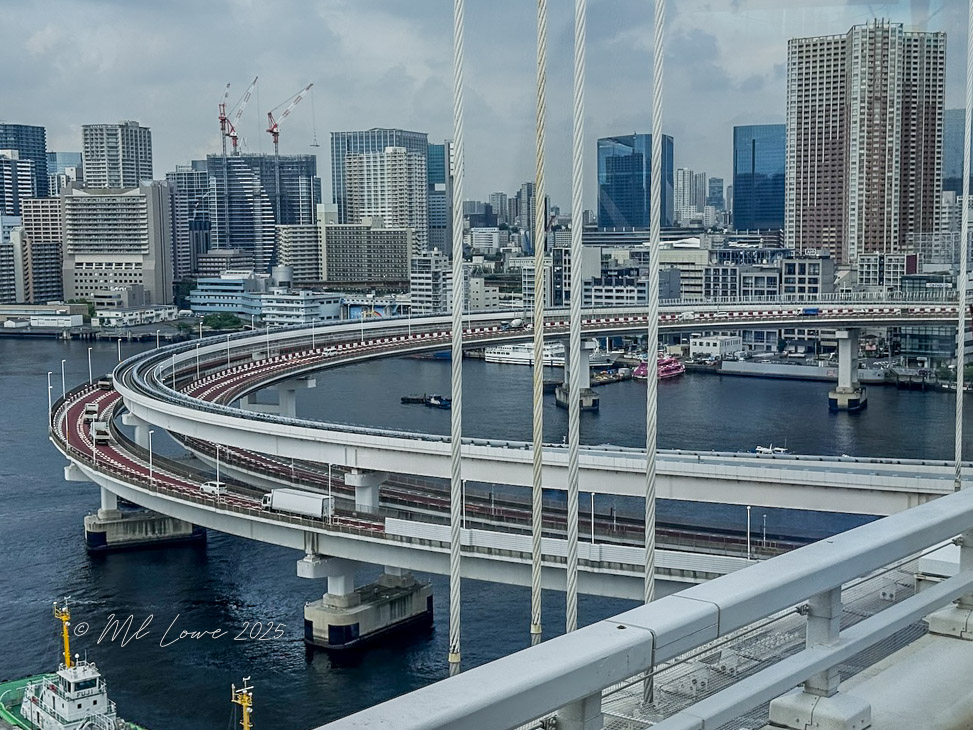
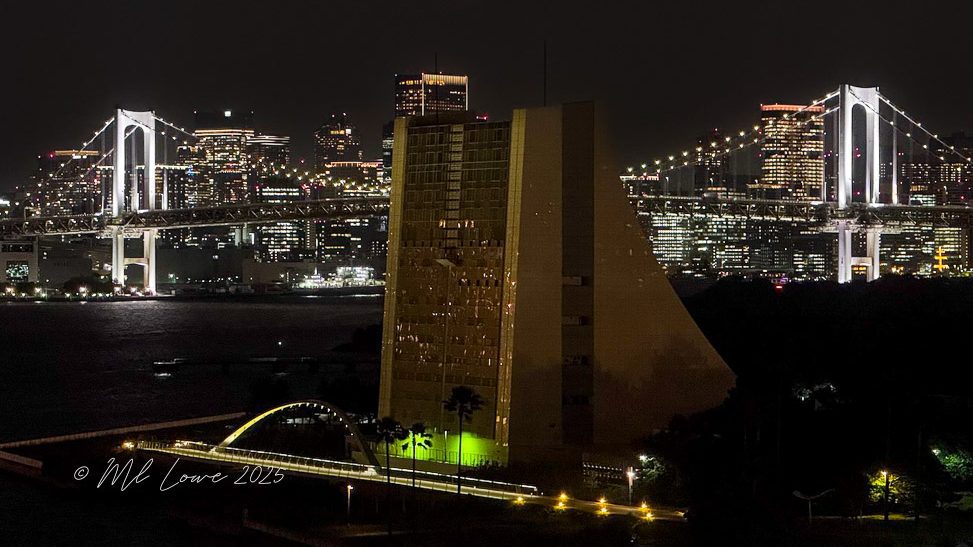
Some observations we made about Japan:
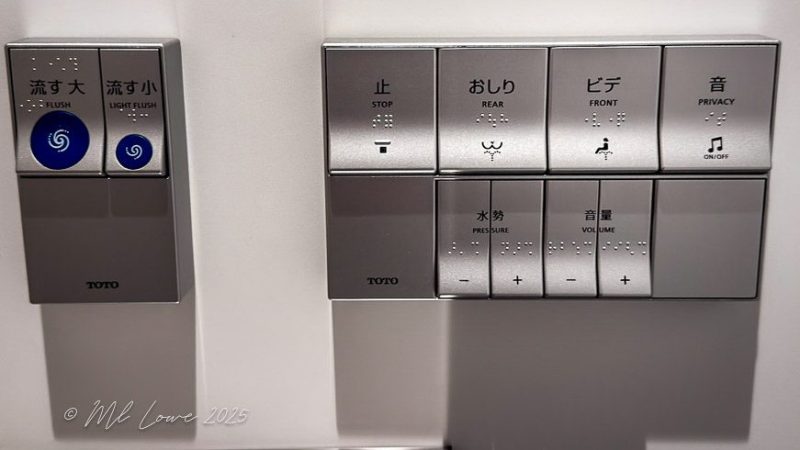
-There are two types of public toilets and they are all clean, but no paper towels or dryers. I had to shake off my hands or wipe them on my clothes after washing:
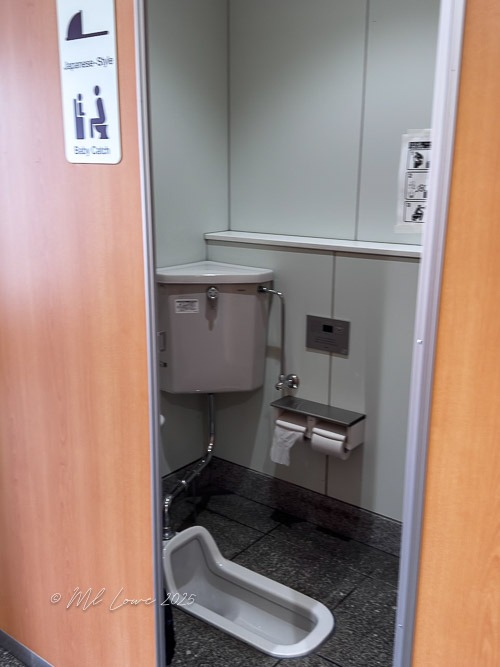
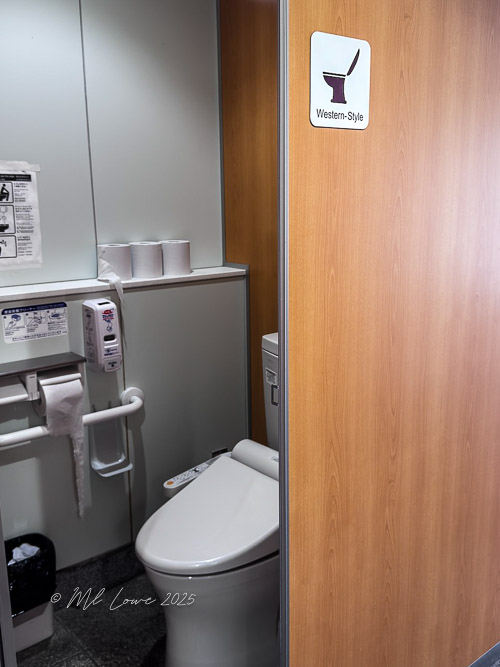
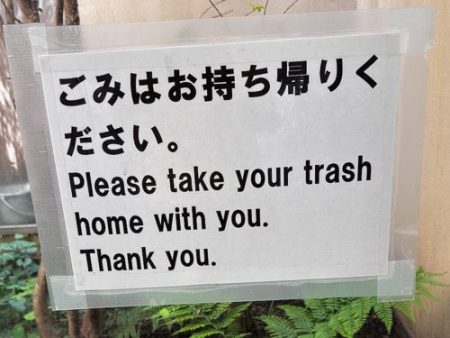
-Except at train stations and convenience stores, it’s difficult to find public garbage cans. You are expected to bring your trash home with you, and the streets are very clean. We observed the cleanliness and orderliness in all of the ports where our ship docked:
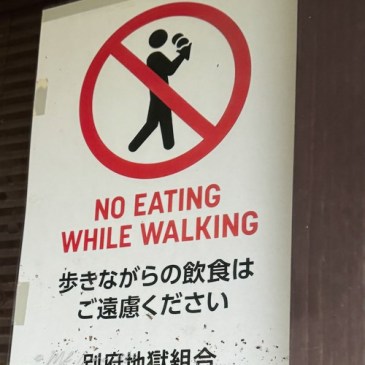
- Eating while walking is considered bad manners
- In Japan, people greet each other by bowing.
- Japanese people are well mannered and considerate, they don’t want to inconvenience you.
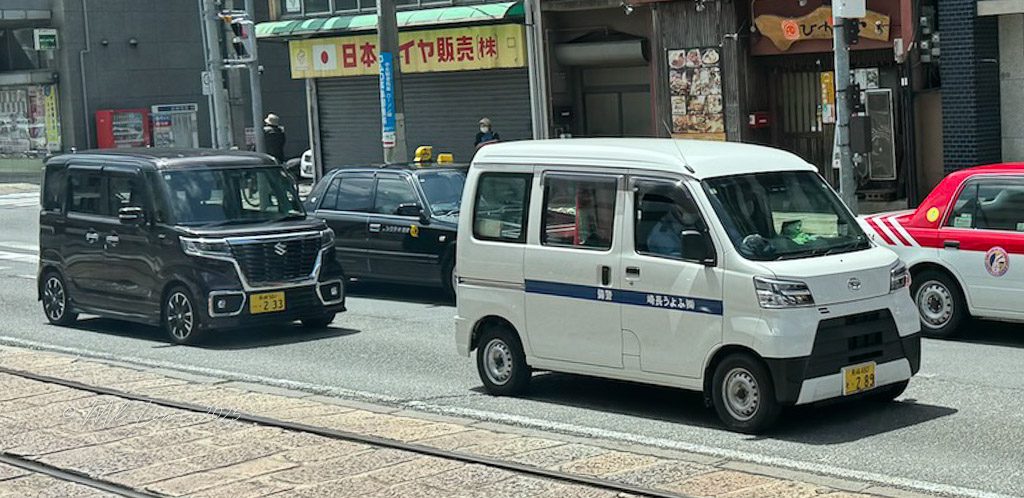
- There are two types of Japanese cars – regular (white license plates) and Keijidosha (yellow license plates). The yellows enjoy tax breaks and easier ownership, making them cheaper to own than other vehicles.
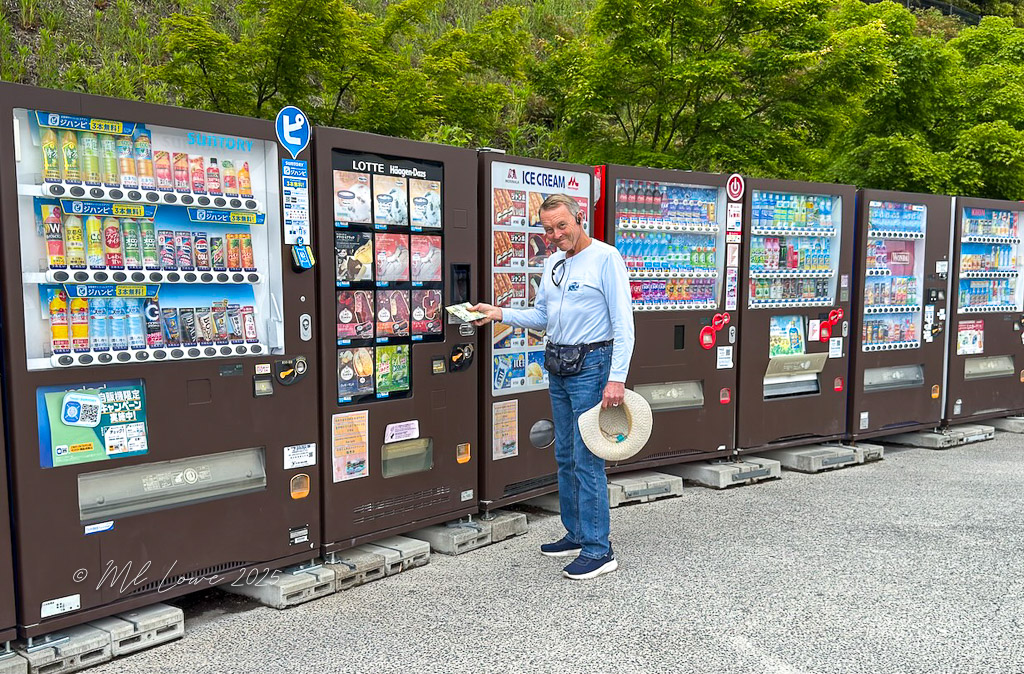
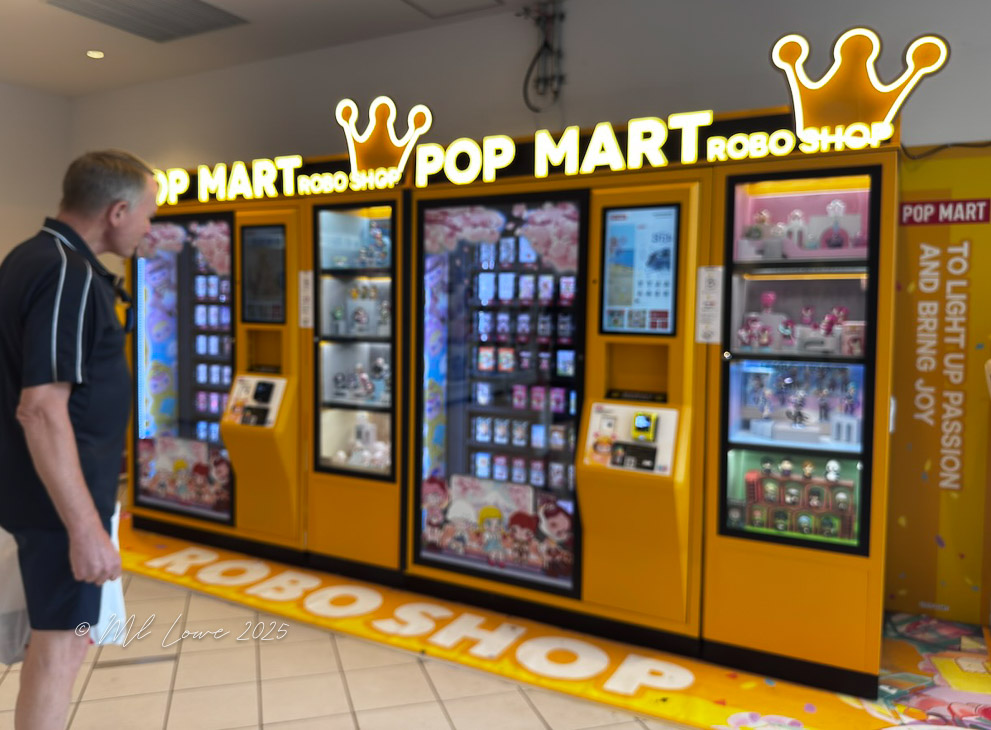
- Vending machines are all over the place in cities and in the countryside. Japan has one of the world’s highest vending machine densities. Other than regular non-alcoholic beverages they also sell tea and coffee, ice cream, rice, disposable cameras, instant noodles, toys, meats and even omikuji, the small fortune-telling slips of paper.
I now have a different perspective of Japanese people. You see, growing up I heard stories from my mother about how my family had run to the mountains because the Japanese were coming. This was during WWII and our town and home were burned down. The soldiers were very brutal. As a young child I did not have a good impression of the Japanese.
Of all the Asian countries we’ve visited, Japan is our choice for a revisit. There is still so much to explore, learn and experience. We loved the vibe here!
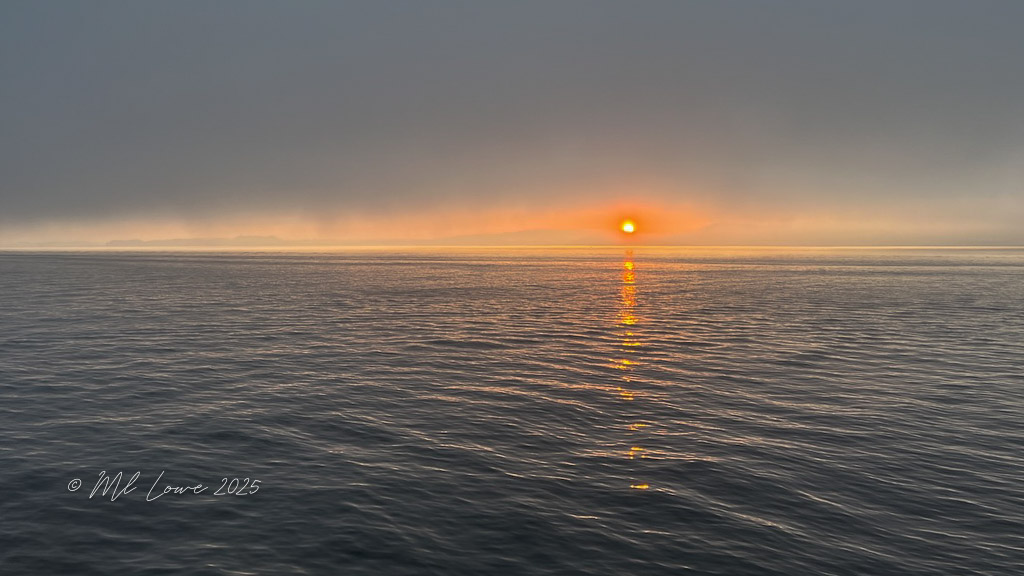
Next up: Revisiting Vancouver Island, Canada
Comments
3 responses to “Postcards from Japan, part 3 – Osaka, Shimizu and Tokyo”
Excellent post, ML. Once again thanks for all the new information. I’m so glad Mt Fuji made appearances for you. It certainly does stand out. I love the photo of you and Steve with the mountain in the background:)
I have only heard good things from all the folks I know who have visited Japan — nice people, clean cities, good food, beautiful gardens. Yet it always looks and sounds so very curated and manicured. Neatness and orderliness appeal to my very soul, but something wild seems lost somehow. “No eating while walking.”
Interesting and informative post Mona Liza.
I wondered if your childhood stories had colored your views of Japan and it’s people.
And….the graphics on the Japanese style toilets has me confused…..Glad I didn’t have to stand outside and try to figure them out!