Mar 12
This is the last part of our travel stories from Peru. Click here to catch up on our previous experiences!
Our next day was easy, as we started mid-morning. The final activity here was a drive through the Sacred Valley of the Incas, known for its stunning landscapes that we had seen from a distance the previous day while learning Inca history.

The Sacred Valley lies between Cusco and Machu Picchu, in the southern region of the Peruvian Andes. The valley was formed over millennia as a result of erosion from the Urubamba River (also known as the Vilcanota River). It covers an area of around 62 miles in distance between Písac and Machu Picchu, and sits at an altitude of 6,730′ – 9,800′. It’s not just a beautiful place – it’s fertile land has shaped Peru’s agriculture for centuries.
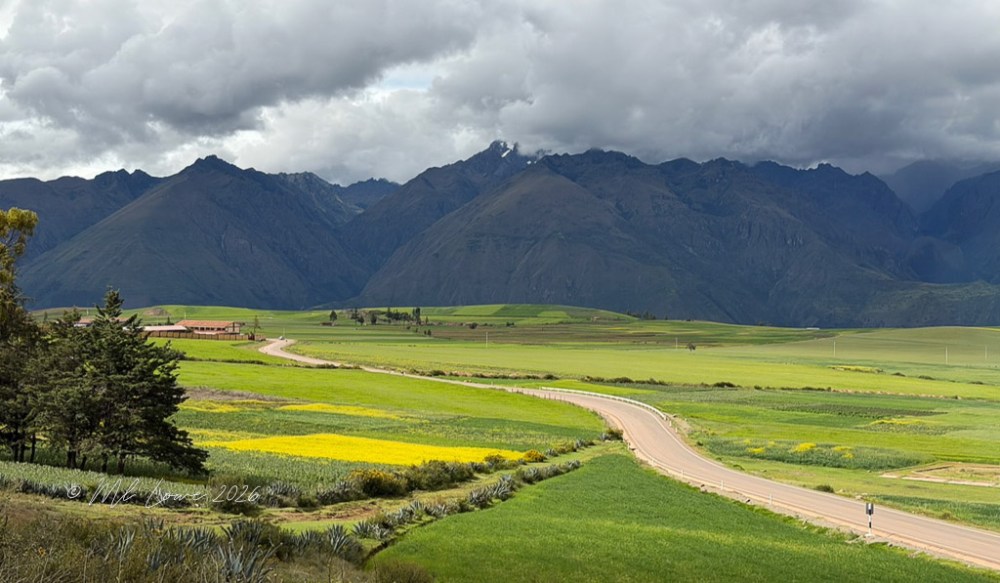
We asked our guide Diego what is sacred about the valley. He told us that the Incas considered the area sacred due to its notable diverse microclimates which allowed for varied agriculture, and its proximity to the Urubamba River which fertilizes and regulates the climate. It was also home to their most important cities and temples – including the legendary archaeological site of Machu Picchu that we’d just visited:
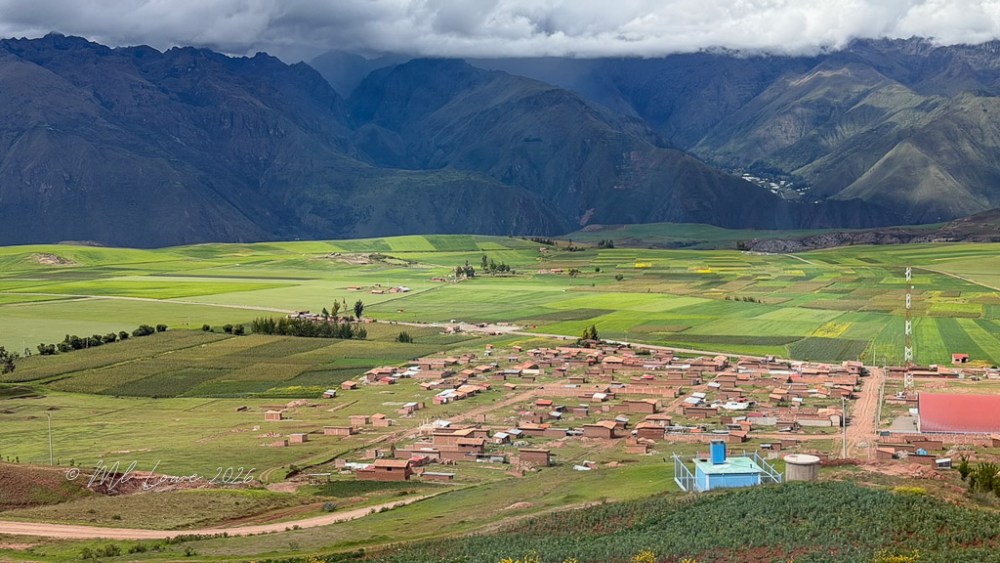

We had already witnessed stunning scenery on our way through the area, and today we had three visits scheduled to iconic destinations surrounded by the tallest and most beautiful mountains in the region:
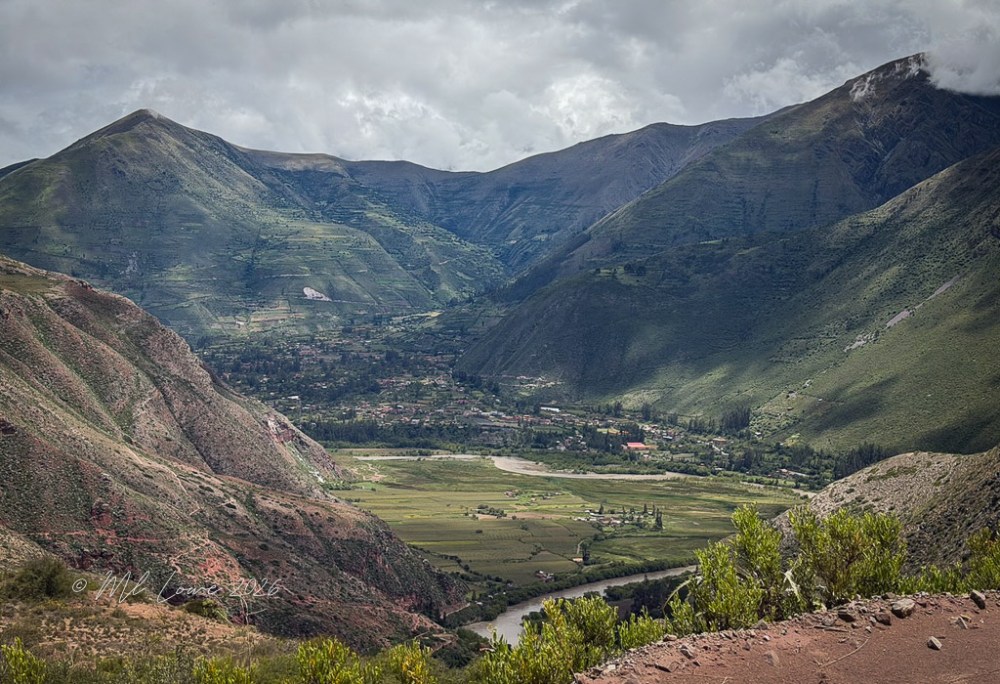
Maras – White Gold of the Incas
Our first visit was to the Salt Mines of Maras. As our driver took us along a narrow hillside road, we stopped at a view point to take a look below. What a sight! There were rows upon rows of uneven square-shaped salt pans lining the mountainside. We expected the salt pans to be white, but we learned that during the rainy season they turn a browner and more earthy color, which is typical for the off-season:
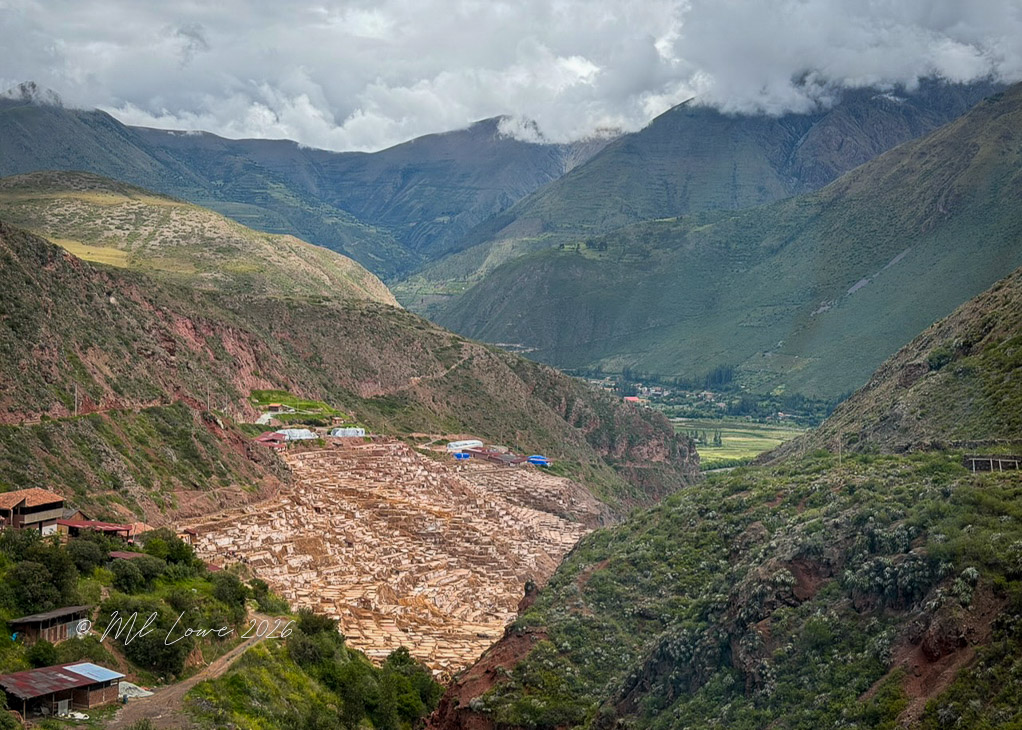
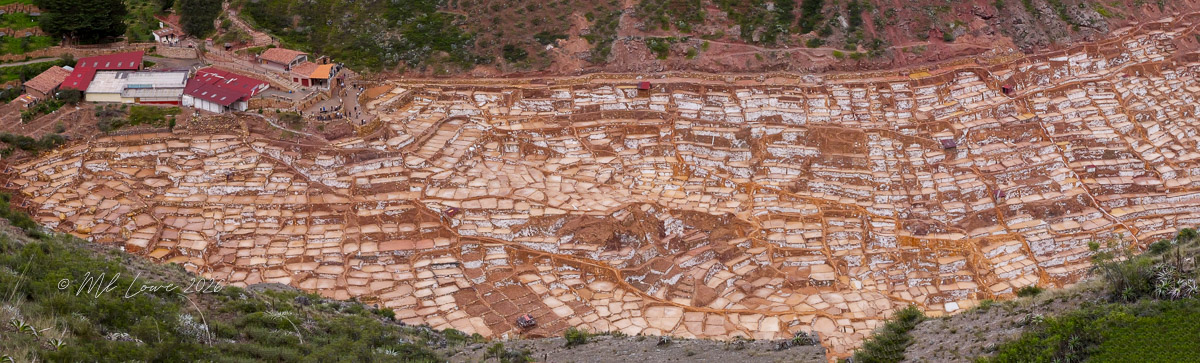
These salt pans were created before the Inca and are still used by locals today. Only residents of Maras can collect and sell the salt. A new pan is made when someone gets married, so each family has one. This tradition has led to the creation of many salt pans on the mountainside, each owned by a family to collect salt from.


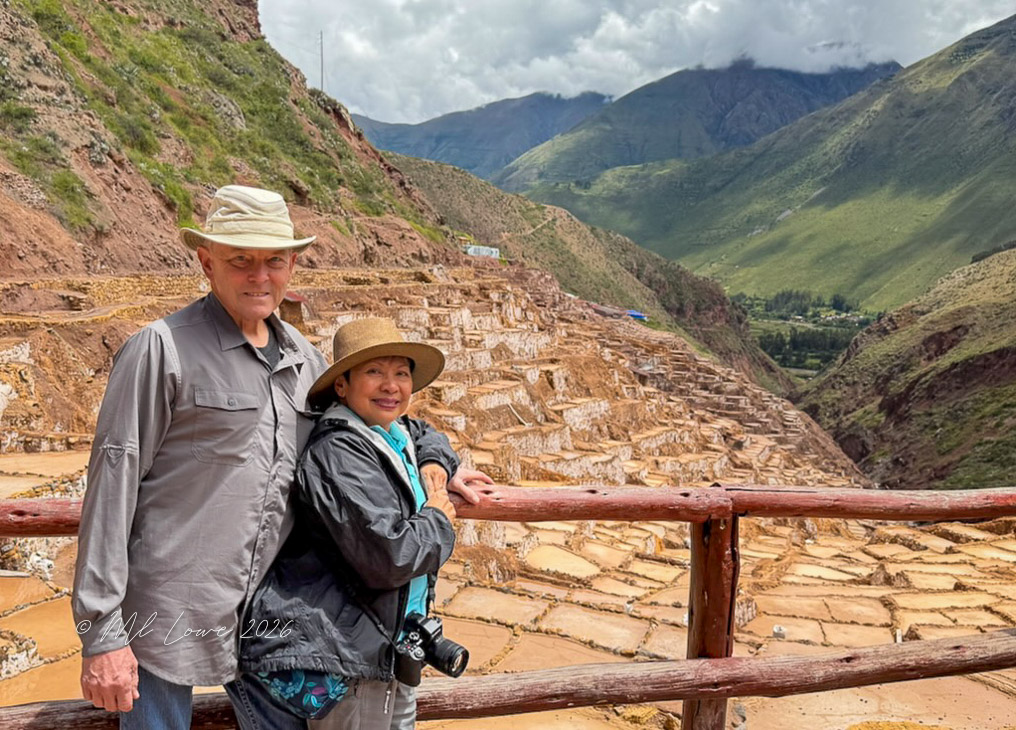
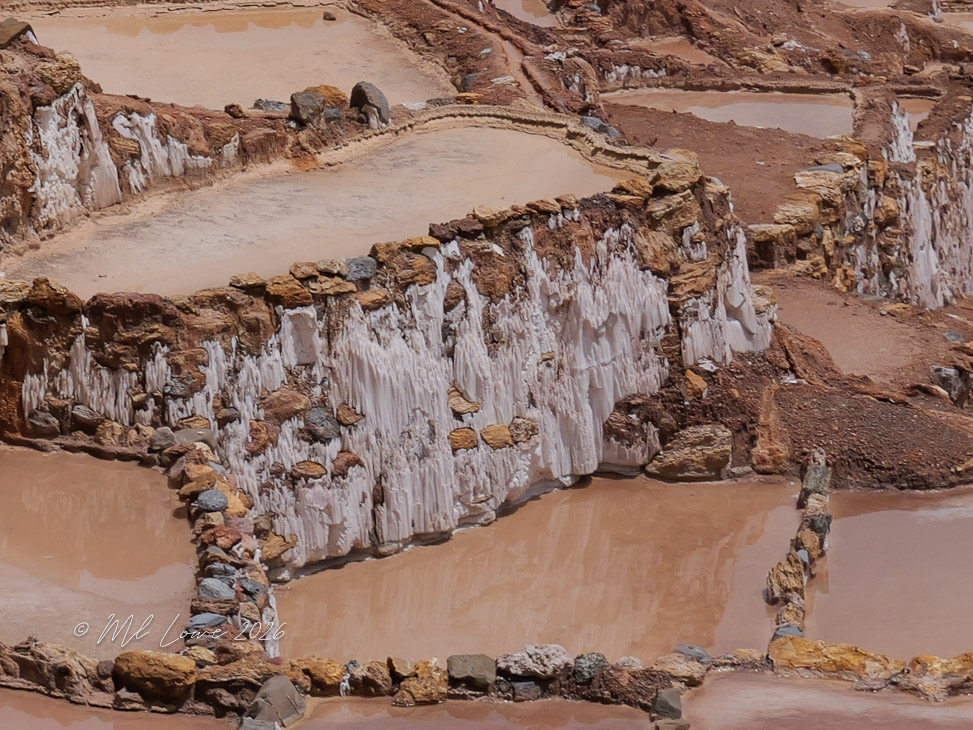
The shallow pans (less than 12″ deep) are filled with salty water from a mineral-rich spring that originates within the mountain. The spring continuously delivers water, filling the pans on shallow terraces. The water then evaporates, leaving salt crystals behind for collection. Each pan produces an average of 330-440 pounds of salt per month. This process has been in use for over 500 years. Unfortunately, we were not able to observe the harvest for we were there during the rainy off-season. A very interesting place!

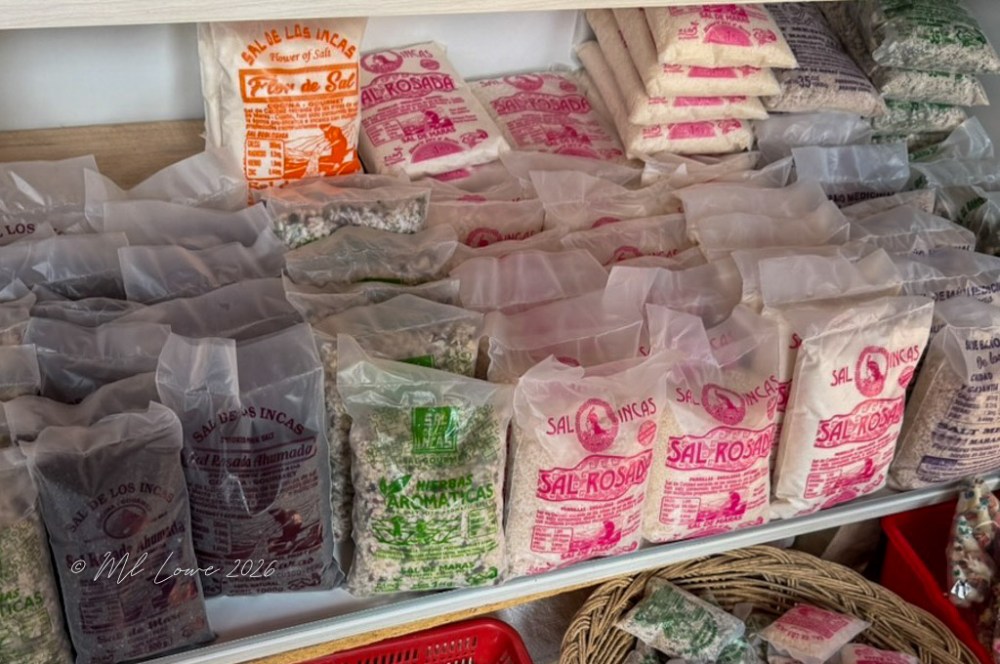
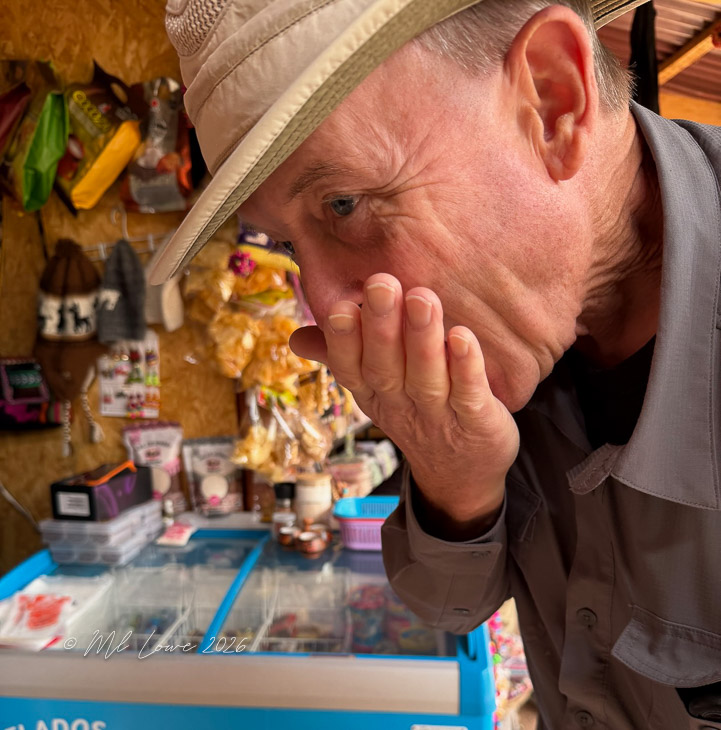
After the tour we stopped to taste Peruvian pink salt and several spice-blended variations. We liked its saltiness and brought home some souvenirs and gifts for our friends. The Maras salt (Peruvian pink salt) is distinct for its high mineral content. We noticed its unique taste profile when I used it for cooking and finishing dishes at home.

Moray – Agricultural Laboratory

Just a few miles to the west of Maras was the Moray Archaeological Zone. Here we saw a series of circular terraces burrowed into the earth like huge amphitheaters. Diego narrated that the complex is believed to have served as an elaborate agricultural laboratory for the Incas. Each level of the concentric circles was made to imitate a different elevation and temperature. In this way, plants could be tested and then adapted to different elevations. In fact, scientists discovered that the circles’ depth creates an impressive temperature difference. The temperature variation between the top and bottom of the circle is an astounding 27 °F.


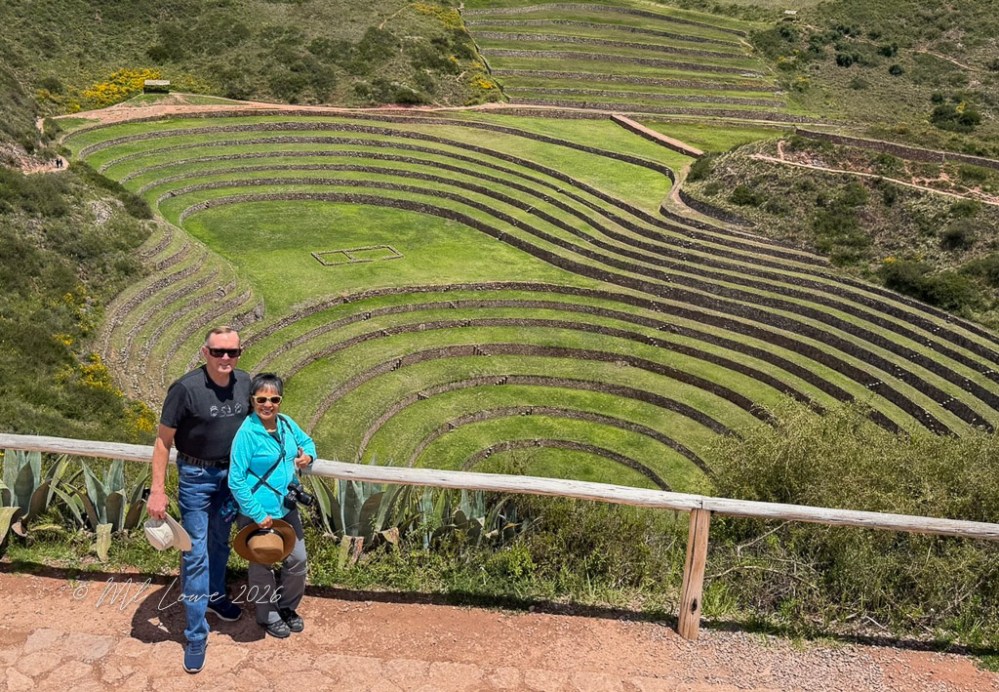

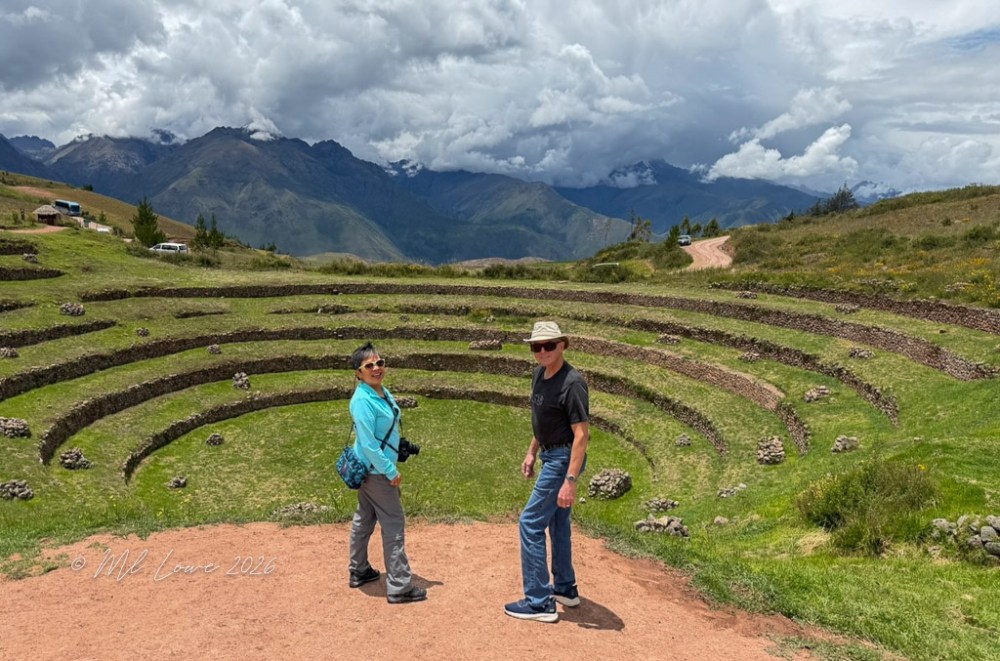
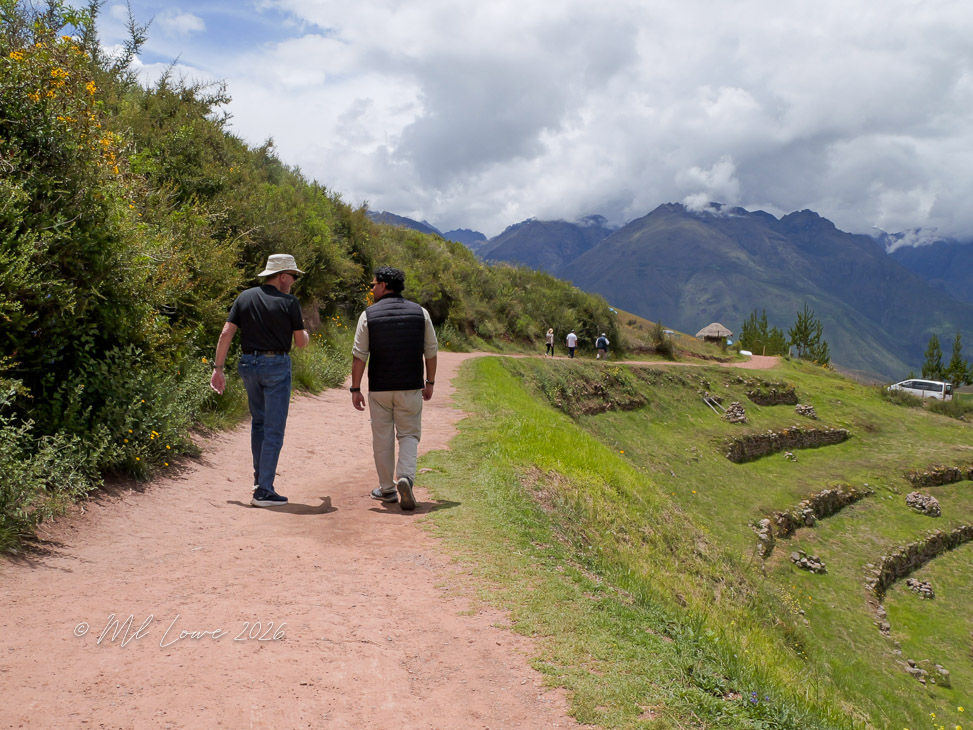
We thought the Incas weren’t just masters of terraces and stone construction – they were also brilliant at choosing where to build. The archaeological site of Moray is an example. Looking around, the impressive natural beauty is unmistakable, surrounded by mountains and with spectacular views of the valley:
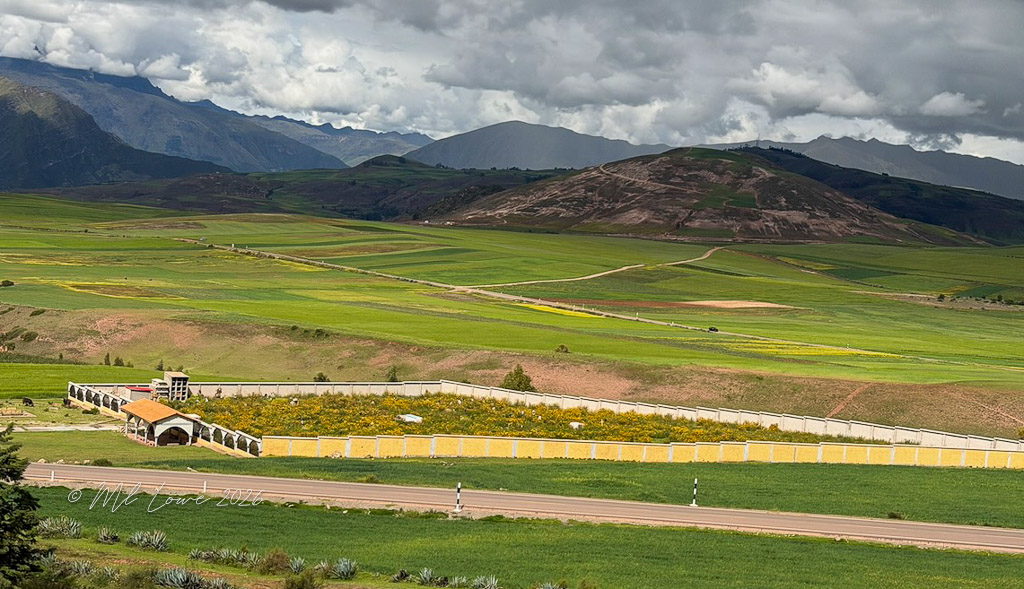
Misminay – An Andean Community
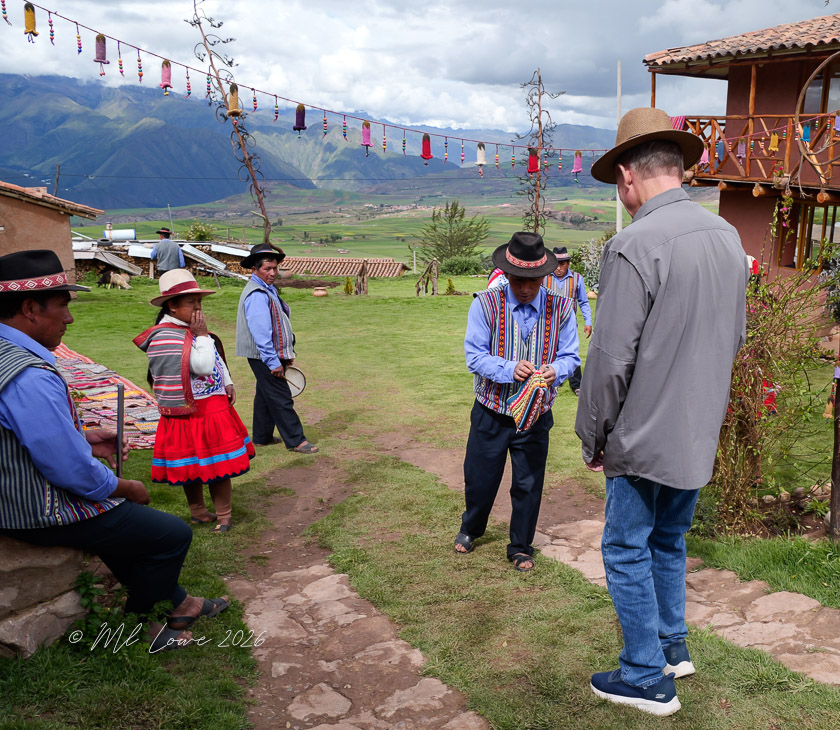
Our final stop was a visit to an indigenous community known as the Misminay. It’s a small farming community that thrives where agricultural traditions of the Incas are still alive and well. We were met by men and women in their colorful traditional clothing offering a heartfelt welcome – including singing! We instantly felt their warmth as they introduced themselves to us one by one:
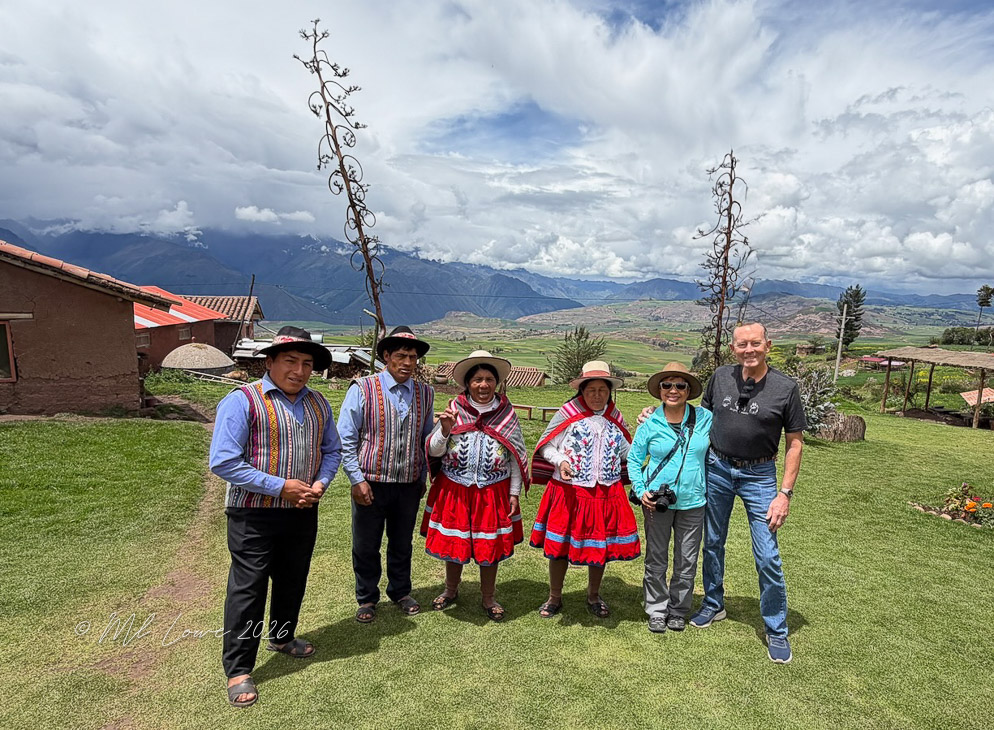
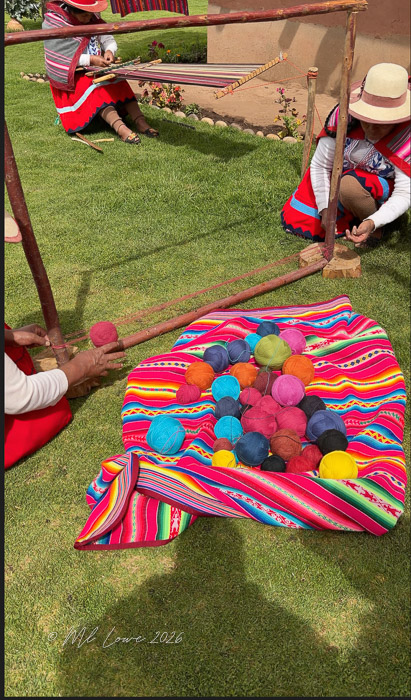
These folks demonstrated the ancestral process of manufacturing Andean textiles made from sheep’s wool and dyed with plants and natural minerals. It was amazing to watch how bright colors are created from the plants they combine. They used homemade tools such as small wooden boards and animal bones that the villagers use with yarns. These are techniques rich in tradition and handed down through generations. Observing the weaving demonstrations made us understand the tremendous skill that goes into creating each piece:


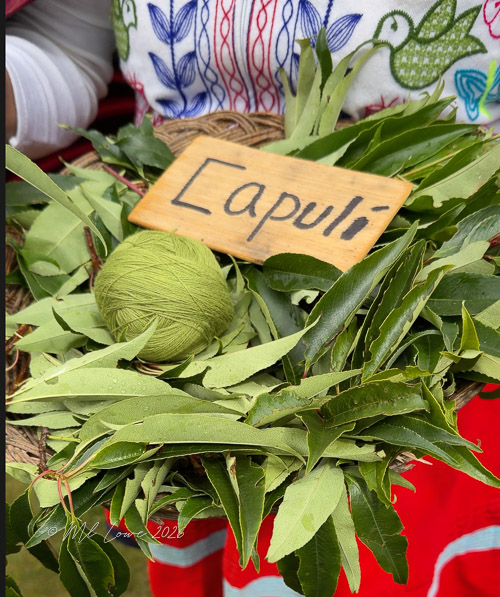
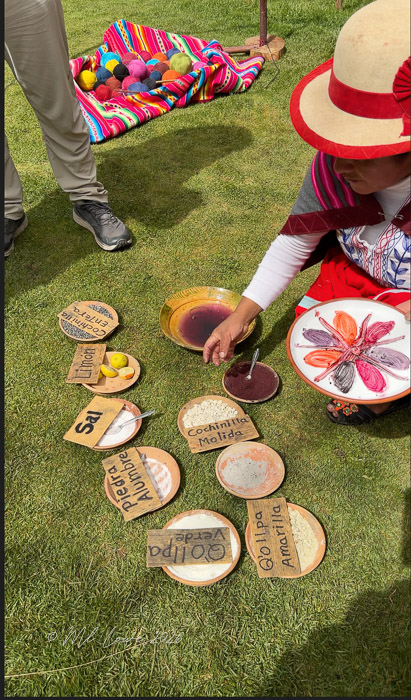

make a color


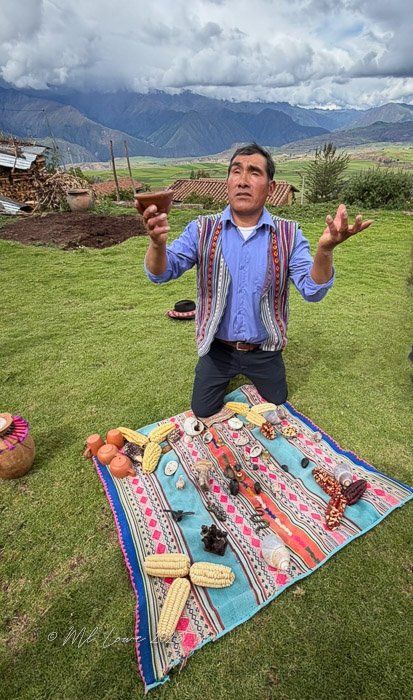
With the imposing mountains behind them, the men showed us their pre-farming rituals. Similar to what we saw before our train ride to Machu Picchu, these farmers make an offering to Pachamama before starting each workday. They offer items to Pachamama (Mother Earth) for a good harvest and luck. The offering (Despacho) on a blanket includes coca leaves, corn, candies, llama fetuses for fertility, and colorful agricultural goods. We took part in this ritual by burying three coca leaves each, and then sipping chicha – made from fermented corn. We then tossed some around in a circle, spreading it back to the earth.
We thank Pachamama for allowing us to experience such an impressive place, the Sacred Valley:
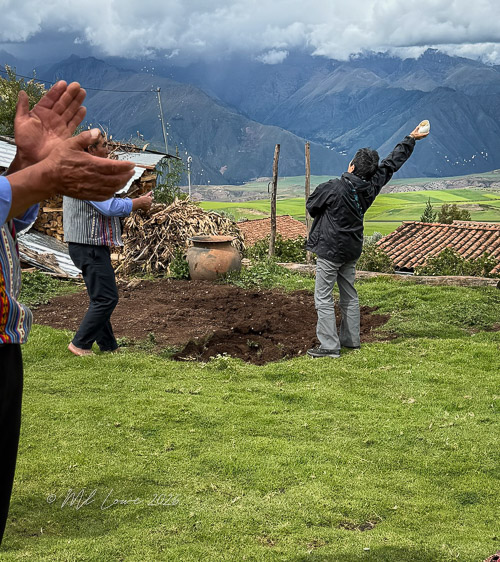

Next they showed us how they till their fields just as in ancient times. They use the Chaquitaclla (an ancestral foot plow) to cut into the thick turf at high elevations. This tool uses human weight to turn over clods of earth.

After the ritual we enjoyed a traditional lunch made with locally grown ingredients – their native potatoes, corn, and quinoa, which have been staples of the Andean diet for millennia. The dishes were simple but tasty, and we gobbled them all up. We’d had a true farm-to-table experience, deeply connected to the culture and history of Peru’s highland communities:
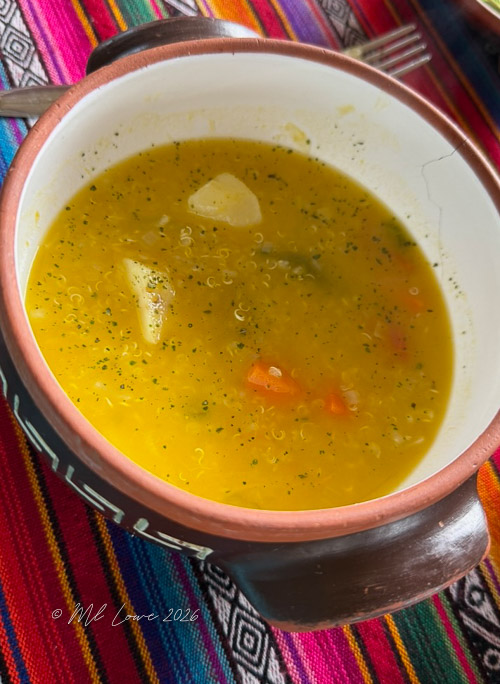
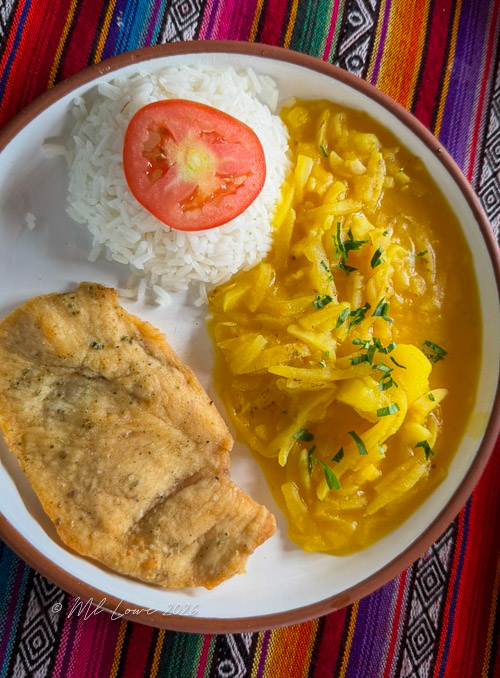
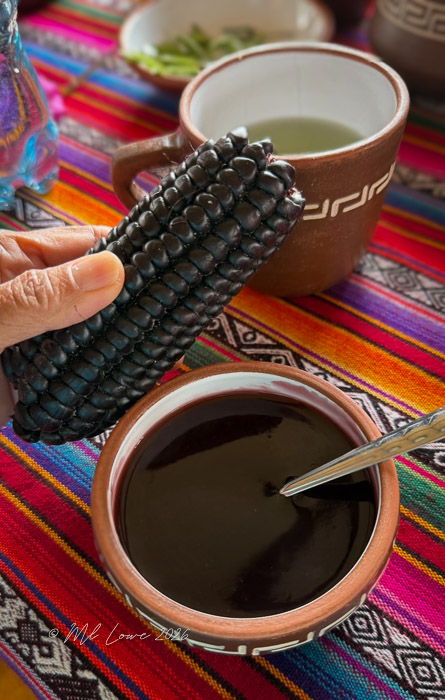
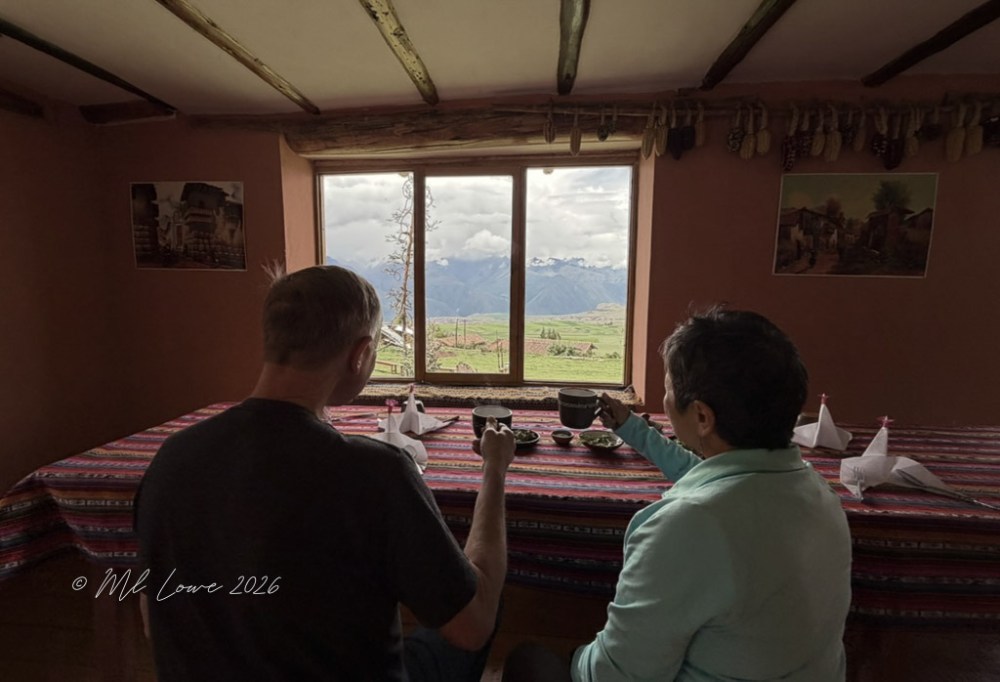

We had a grand time and enjoyed our experiences in the Sacred Valley. It has everything you could ask for to live a stress free and quiet life. Perfect weather, breathtaking landscapes, living traditions and warm and welcoming people. Above all, a peaceful space where you can simply be. If not for the altitude I could probably live here 🙂
This was our last activity in Peru. The country exceeded our expectations, a journey filled with amazing landscapes, vibrant cultures and unforgettable experiences that made every moment memorable. We explored ancient ruins, savored delicious Peruvian cuisine, and immersed ourselves in the rich traditions of the local communities. It created memories that will definitely linger. I would not mind revisiting the country again, for there are still many fascinating places there to explore.
Next up:
Amazing Galapagos Islands!
Comments
4 responses to “Exploring the Sacred Valley: Inca Heritage and Stunning Landscapes”
Sounds like you had a great day in the Sacred Valley … what a place it is.
What a wonderful post. You did an outstanding job sharing all you learned in this unique adventure. The salt pots were so interesting. I can understand why you brought home a handmade runner. Such a process but the end result is beautiful.
What an amazing trip! I enjoyed learning about the Sacred Valley.
The turning over dirt, using just a shovel, reminded me of how we used to do it when I was growing up. I totally get it, even if a common spade.
What a wonderful place and people. Look at that food!
The growing terrace sort of made sense. Our last residence was at the bottom of a small valley. Our next door neighbor was maybe 10′ higher in elevation and could grow tomatoes, but we struggled and it had to do with our air holding the cold whereas his was just out of that cold layer.