Mar 10, 2026
We had an early flight the following day from Lima to Cusco, a city that sits majestically in the Peruvian Andes at an impressive elevation of 11,200′. When we planned this trip I had a sense of apprehension about potential altitude sickness once we arrived. The dramatic change in elevation from sea level at Lima to the high-altitude of Cusco had me thinking of tales I’d heard about travelers struggling to acclimatize. It was interesting to take a flight that had to climb over 11,000′ just to land at the destination airport!

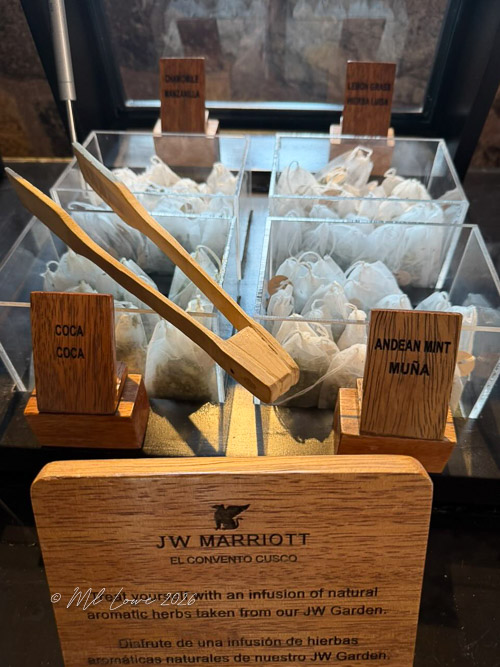
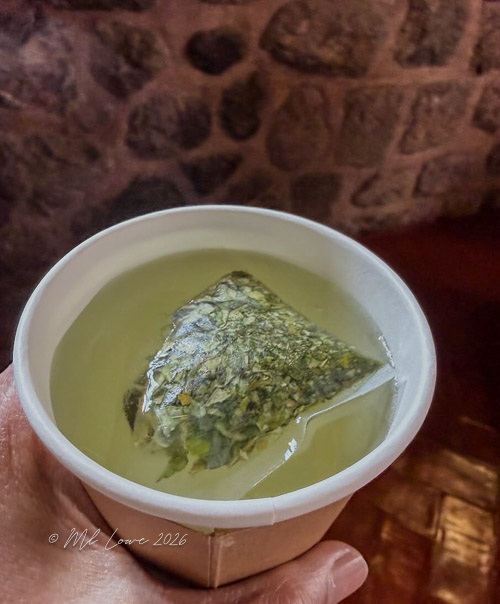
As we checked in at the hotel, the receptionist immediately offered us Coca tea. Made from coca leaves, it’s believed to help alleviate altitude sickness. I’m not sure if it actually helps, but I drank plenty of it and enjoyed the taste. Interestingly, we learned that coca leaves are also what is used to make cocaine, but they’re legal and freely sold in Peru. But we definitely couldn’t pack any for our trip back home 🙁
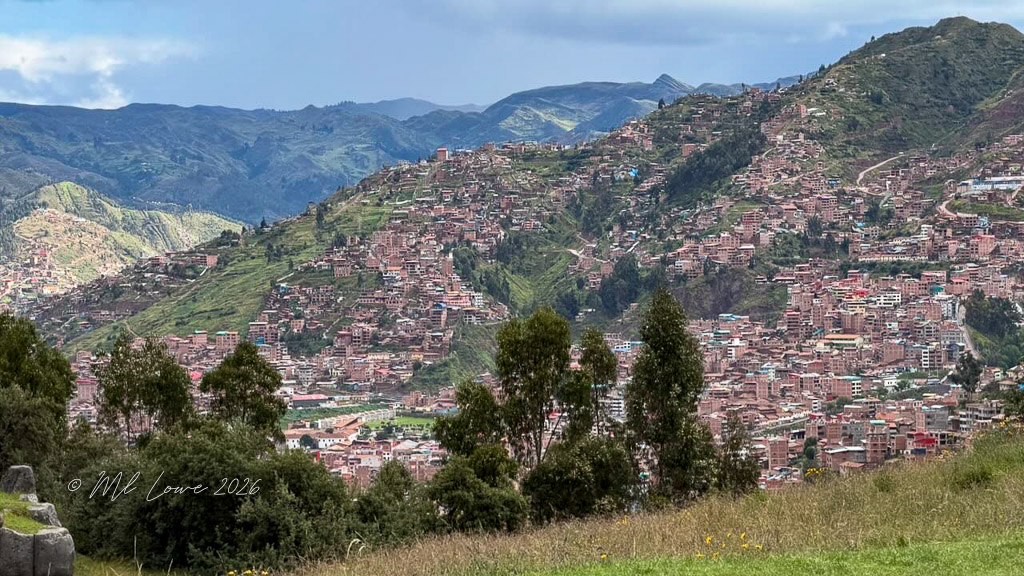
Cusco is a high-altitude city surrounded by mountain peaks and known for being the center of Inca culture. It holds many of the most important Inca archaeological centers, including the Sacred Valley of the Incas and Machu Picchu. The modern name Cusco, or Cuzco, is derived from the original name Qosqo, which in Quechua means “The earth’s navel.”
It is historically the birthplace of the Inca empire and considered one of the most ancient cities on the continent. The powerful Inca culture ruled from the Andes mountains of Peru 500 years ago.
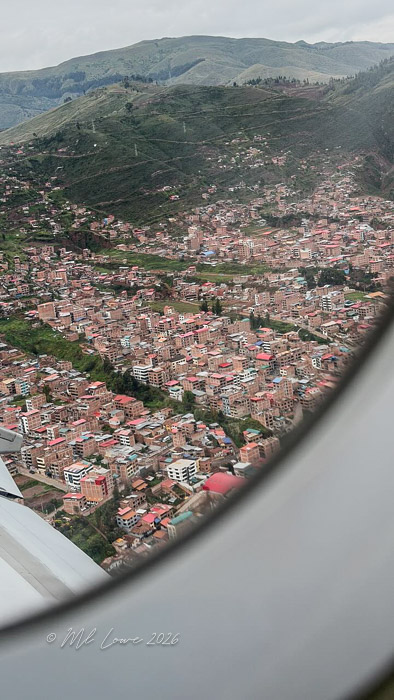
This image taken as we made our final aircraft approach shows part of the city that holds over 500,000 residents.
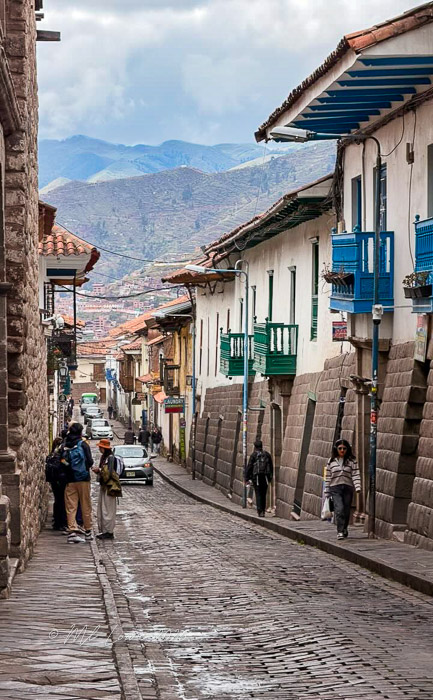
After settling in we met up with our tour guide Diego, who took us on a tour to help us adjust to the altitude. He showed us the city as we walked on ancestral cobblestone streets at an easy pace, perfect to get acclimatized:
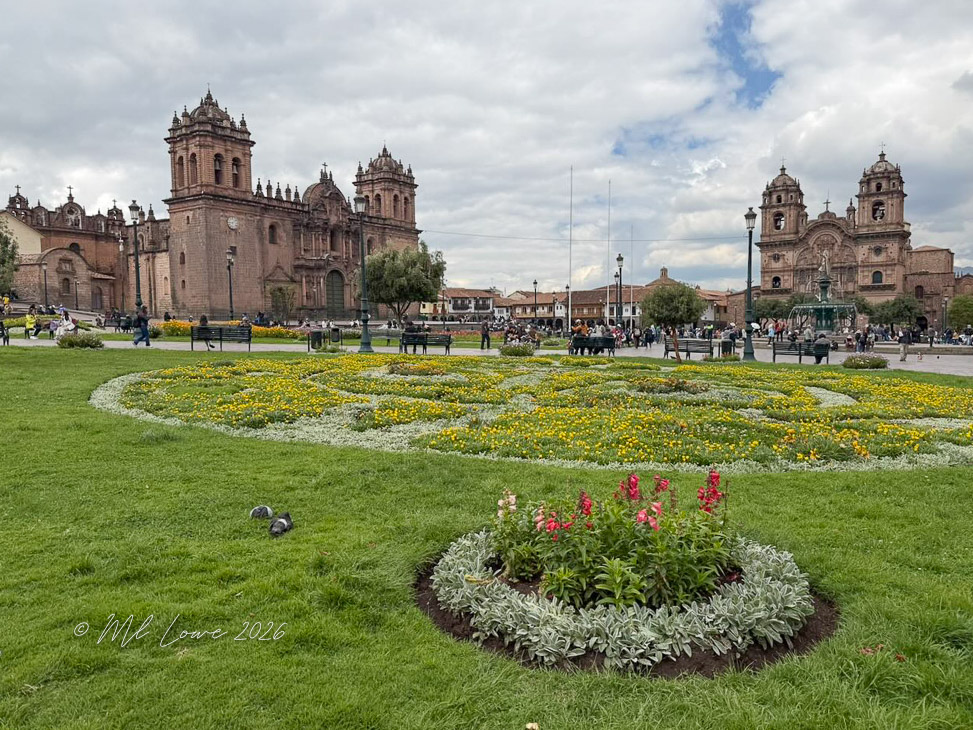
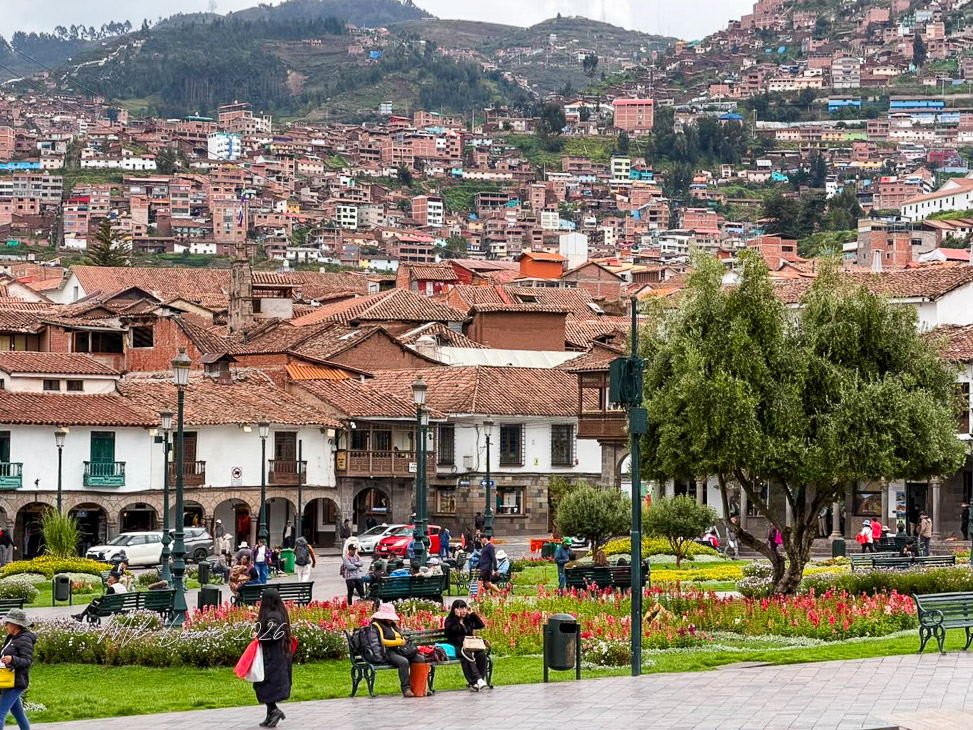
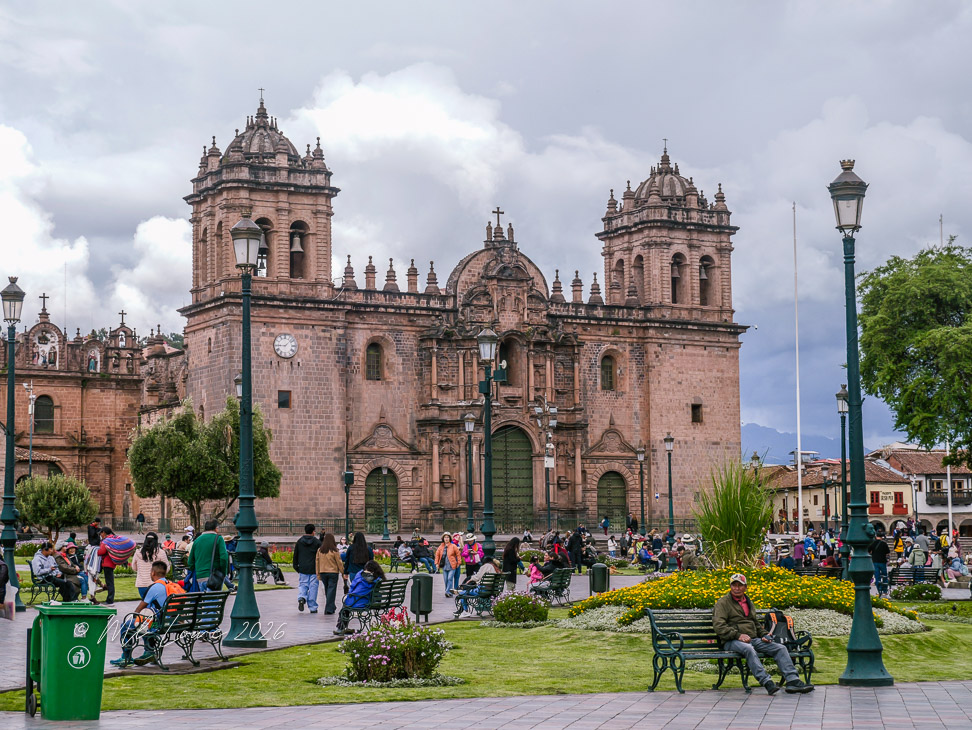
Our first stop was at bustling Plaza de Armas, the main square of Cusco. He pointed out impressive structures that showcase the rich history of the city, a UNESCO World Heritage site. It’s a fusion of Inca and colonial architecture mixed with Spanish colonial buildings and mansions. It all blends with Inca influences, including 13 Catholic churches within walking distance of each other:
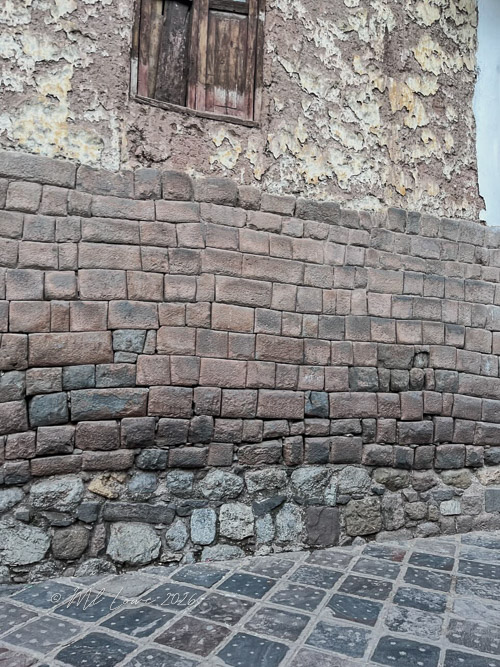
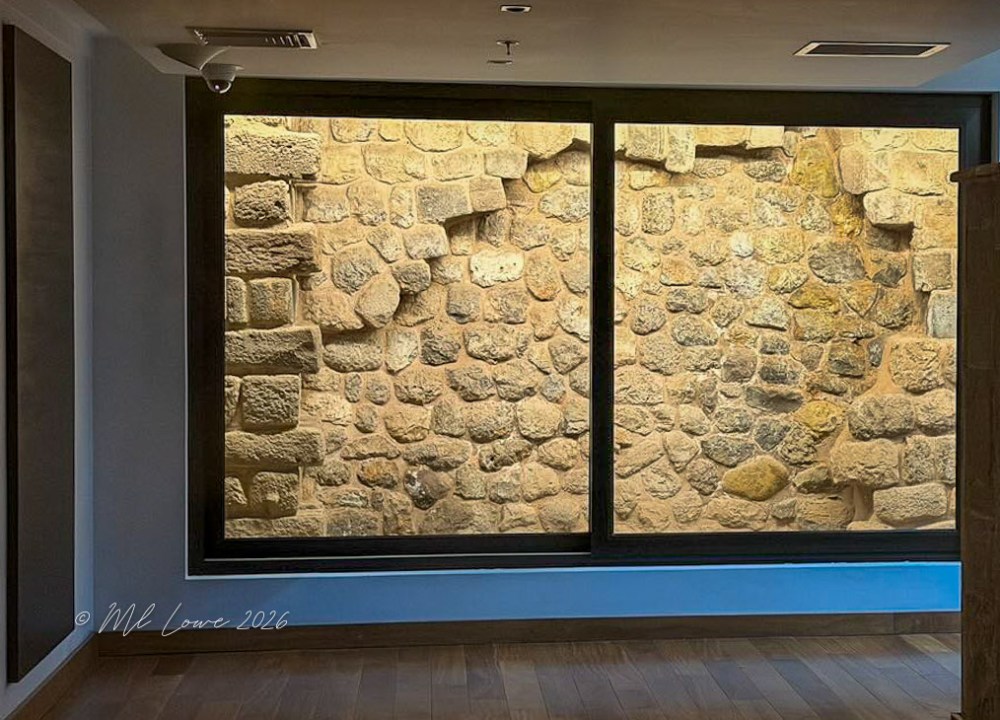
Diego shared fascinating stories with us about the Incas, the Spanish conquest and the city’s evolution. He pointed out that almost every central street has remains of Inca walls constructed of huge stone arches and doorways. This beautiful Inca stonework now serves as foundations for more modern dwellings – including the hotel we stayed in.

San Pedro Market
Next we visited a vibrant marketplace that was a feast for the senses, with surprises around every corner. We’ve visited many markets around the world that showcase beautiful meats, produce and assortments of vegetables, but we’ve never been to one like this that also sells a huge variety of exotic items – some weird, some yuck, some wonderful:
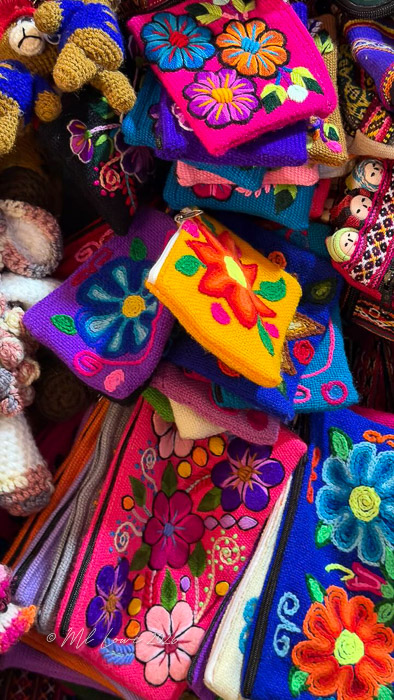
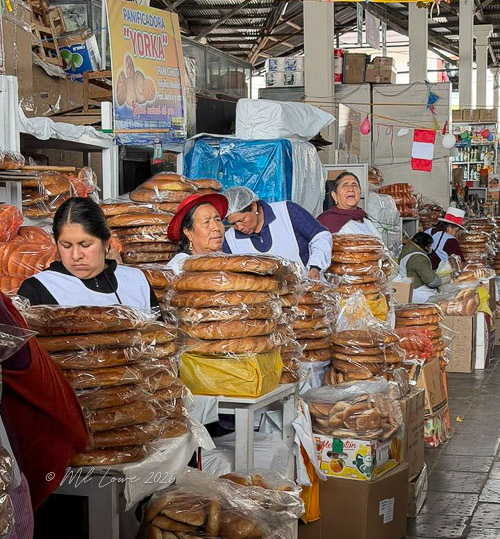
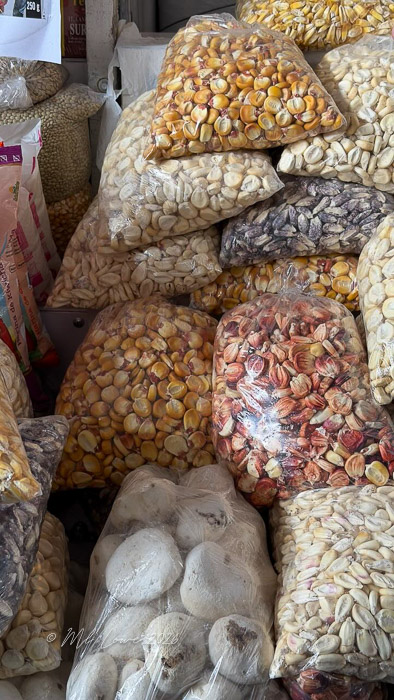
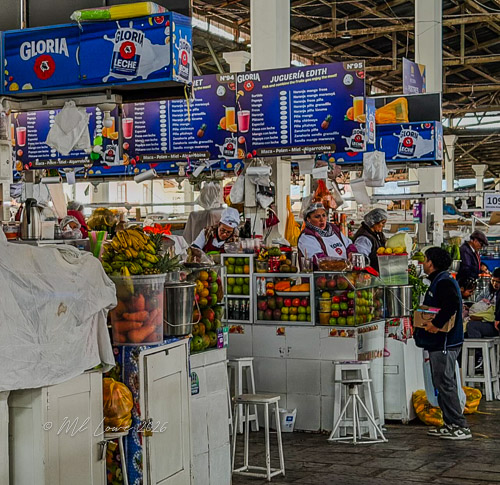

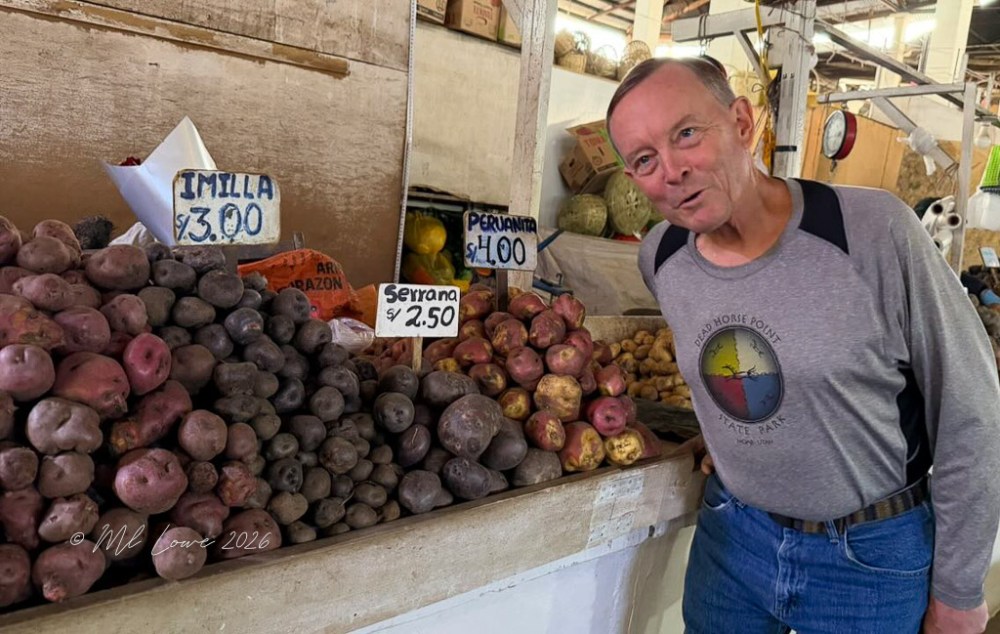
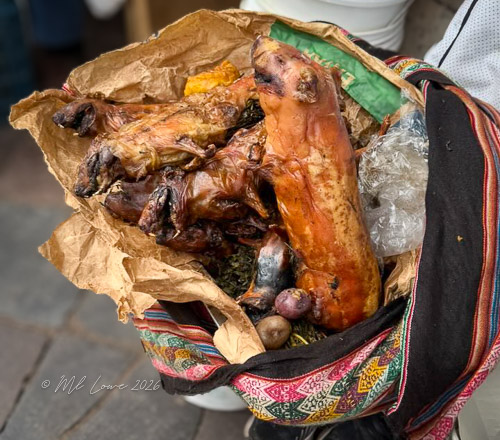
But the most unique area was the “witch market” section. Here we saw a variety of potions and charms for many things, from curing a queasy stomach to attracting money or spicing up your sex life. We discovered dried llama fetuses that bring good luck to homes and businesses, and viewed a Peruvian delicacy – roasted and ready-to-eat guinea pigs. We passed on that one!


Q’orikancha or Koricancha
A short walk took us to Q’orikancha, the main temple and most sacred building of the Inca empire. Q’orikancha is “Temple of the Sun” in Spanish. The curved black wall in the picture below is the preserved remains of an Inca wall. The colonial structure of the Church & Convent of Santo Domingo now sits on top of the original Korikancha foundations, but many of the original temple structures remain inside. This is one of numerous examples where the Spanish incorporated Inca stonework into the structure of a colonial building:
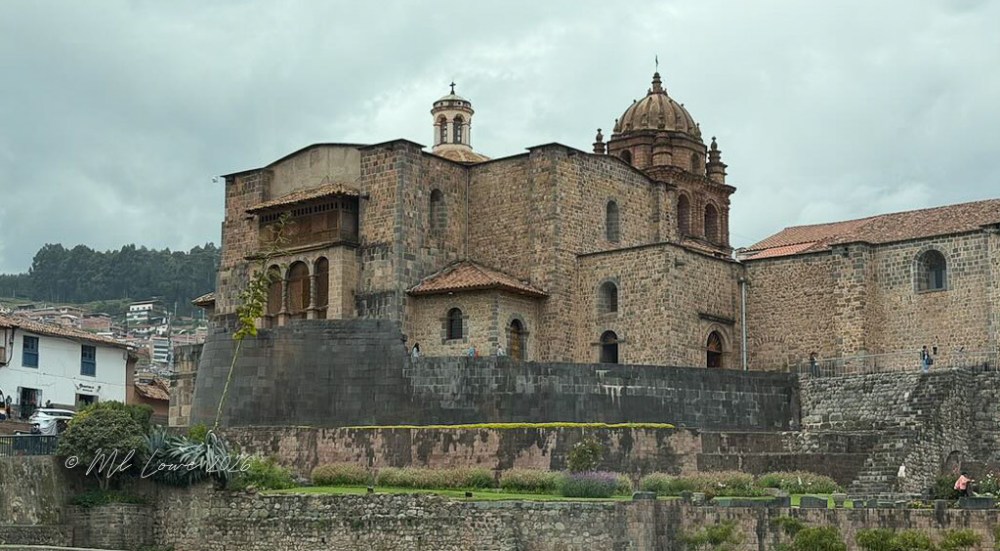
We discovered many well-preserved pieces of Inca masonry and architecture that are truly amazing, especially when Diego showed us how well the hand cut stones fit together. The original function of Q’orikancha was for astronomical and religious purposes. When the Spaniards raided this building, the first thing they did was loot all the gold and precious jewels they found:

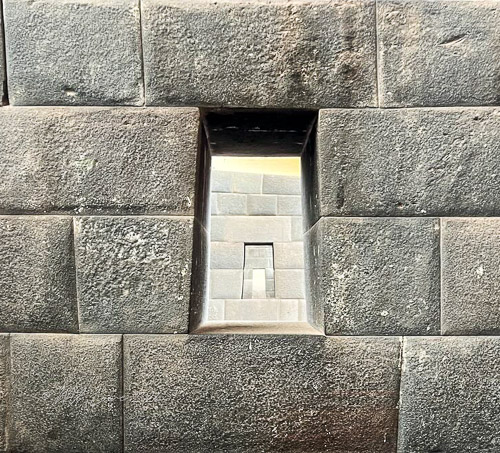
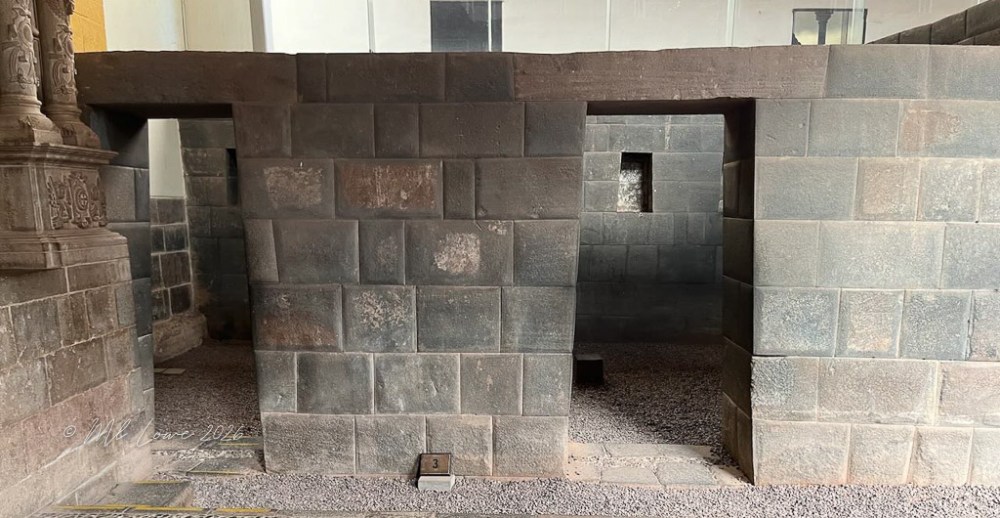
Built atop the remains of the Q’orikancha temple, the structure is now the Church & Convent of Santo Domingo:


Sacsayhuaman
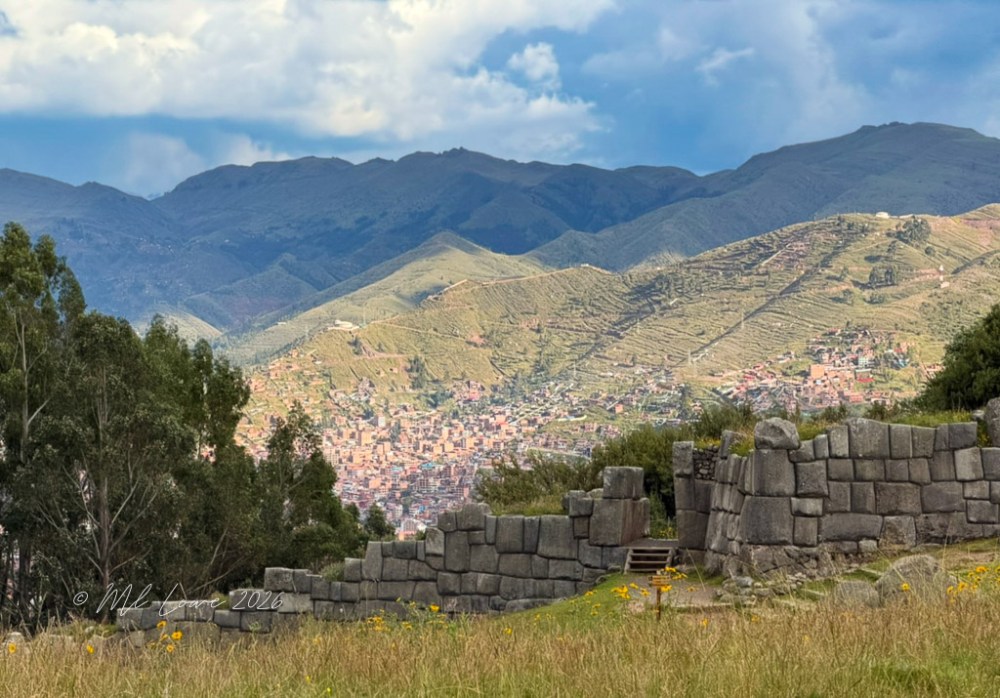
Outside Cusco was the imposing Inca fortress called the Sacsayhuaman (pronounced very much like “sexy woman”), located at an altitude of 12,142′. This site is a striking example of Inca architecture, with the archeological structures leading up mountain ridges in several terraces. The walls consist of enormous boulders weighing up to 100 tons.
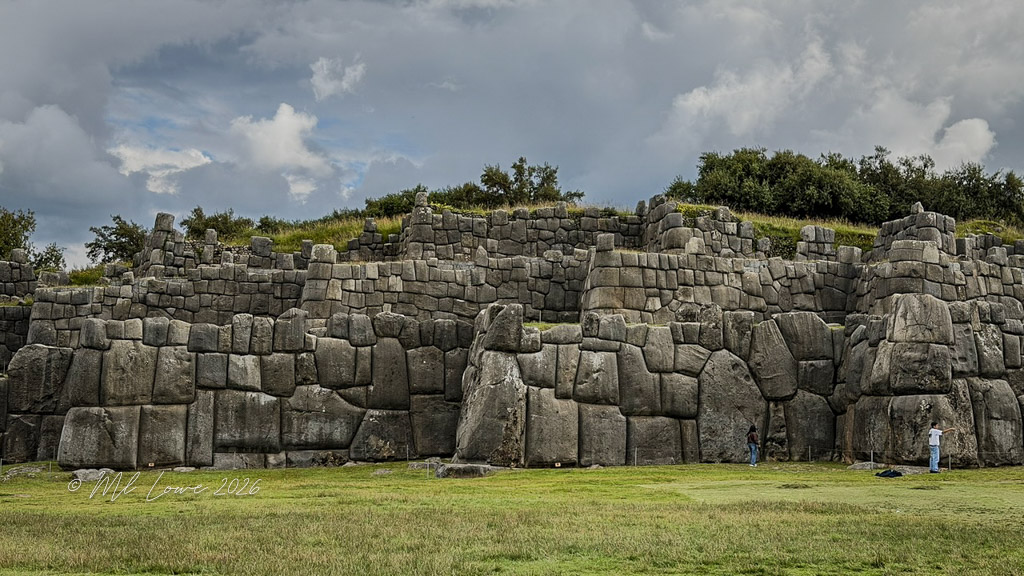
We were amazed by the size of the carved rocks which are joined with incredible precision. According to Diego, the rocks were sculpted to fit together exactly by repeatedly lowering one rock onto another, then carving away any sections on the lower rock where the dust was compressed. The tight fit and concavity on the lower rocks made them extraordinarily stable, despite the ongoing challenge of earthquakes and volcanic activity. It is believed the stones were hauled from nearby mountains, but exactly how this feat was accomplished remains a mystery. It is an amazing place!
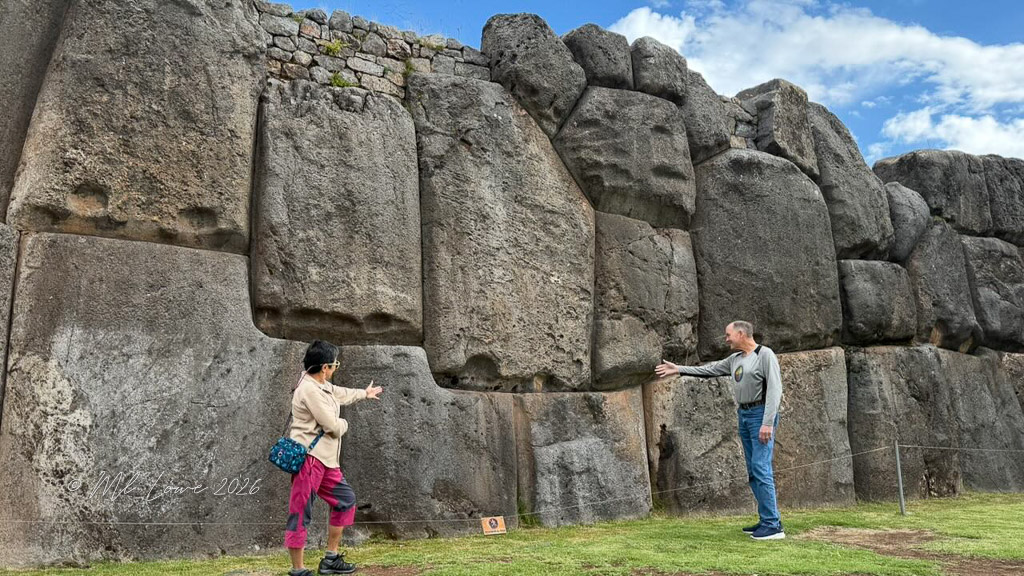
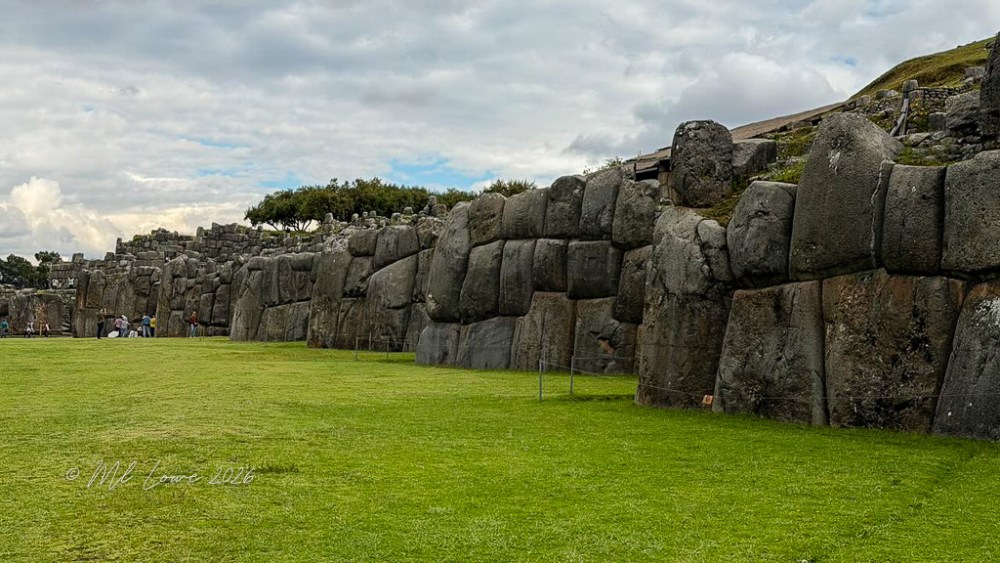
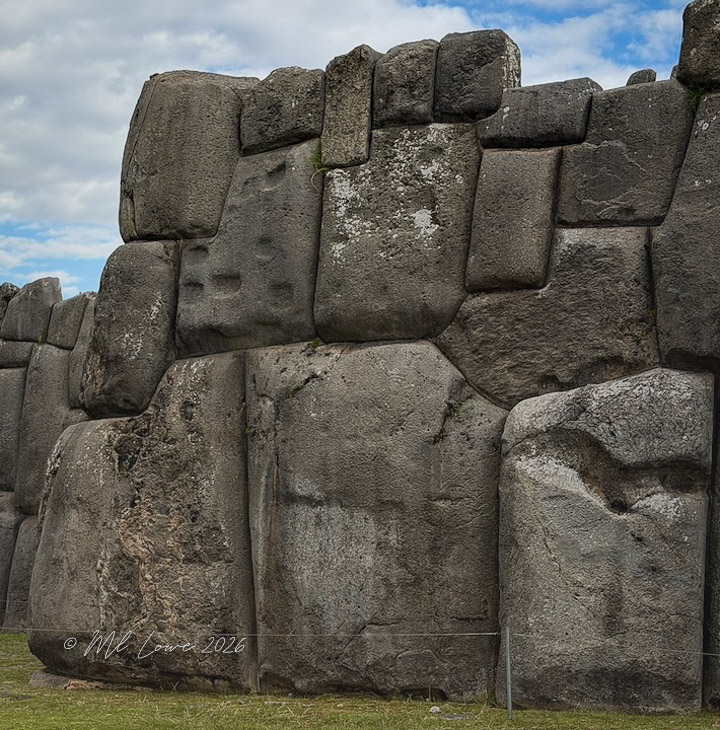
The Incas built their walls with such skill that 600 years later we are still amazed. The precision, stability and work in the carving, polishing and anchoring of each stone remains in perfect union. This can be seen not only in the walls of the remaining vestiges, but also in temples, palaces, ceremonial centers, roads and canals.
Where we stayed
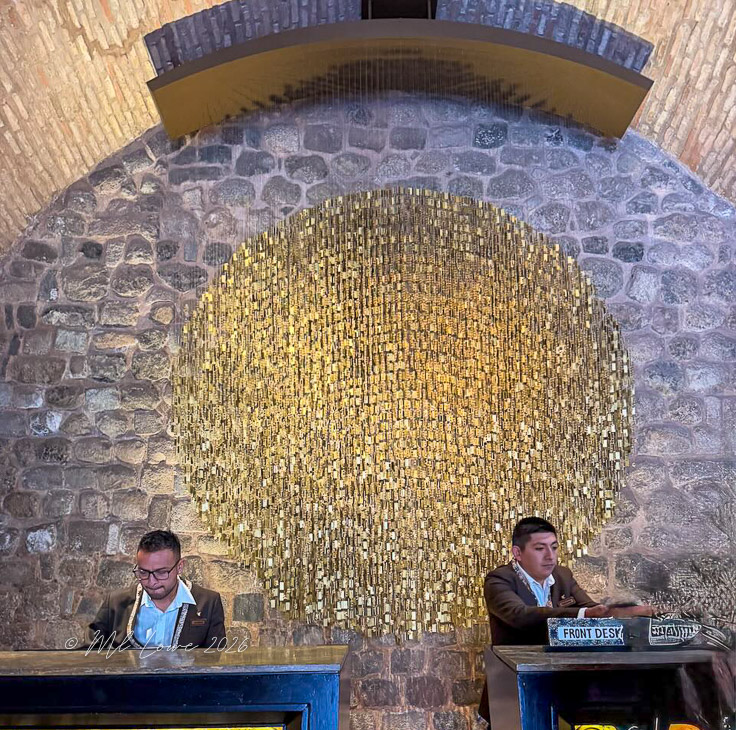
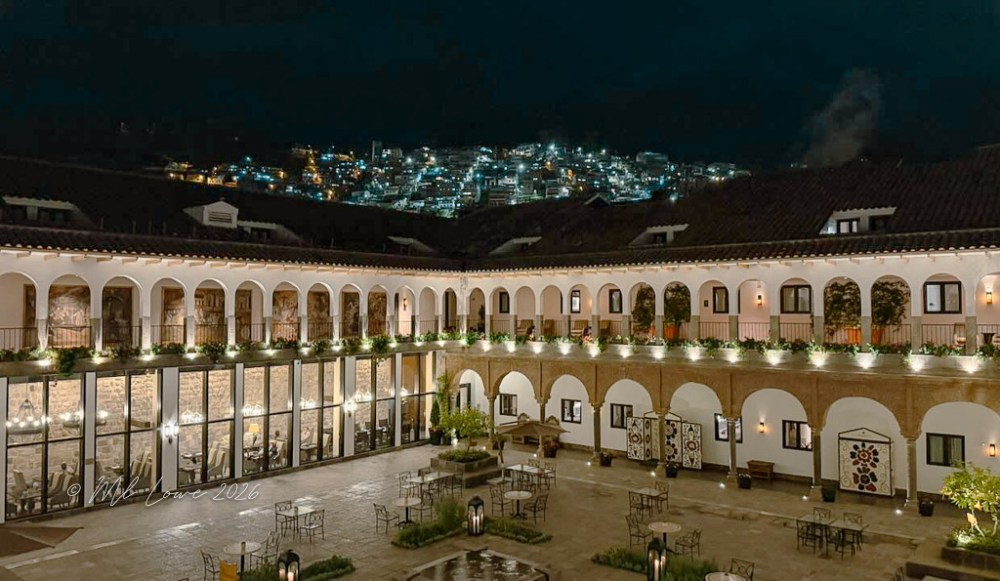
We stayed at the JW Marriot Hotel, built around the original 16th-century San Agustin convent. We were amazed to learn that many Inca structural elements were preserved and on display in the basement of the building! What really grabbed my attention as we checked in was 76,500 sparkling crystals which dangled behind the reception desk. We were told that this stunning golden circle represented a shimmering Incan Sun God Inti:
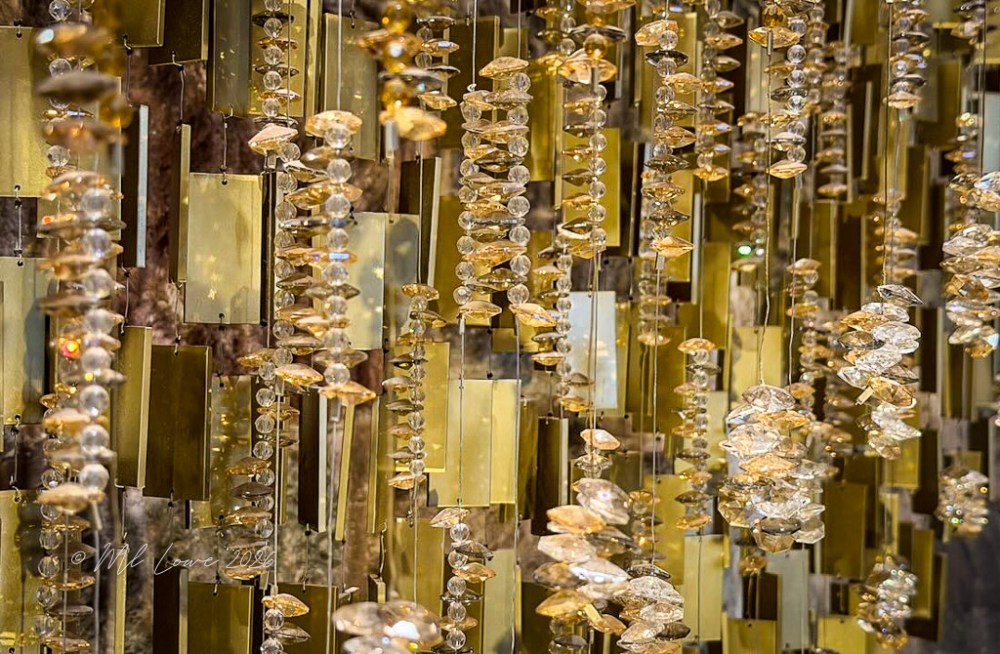
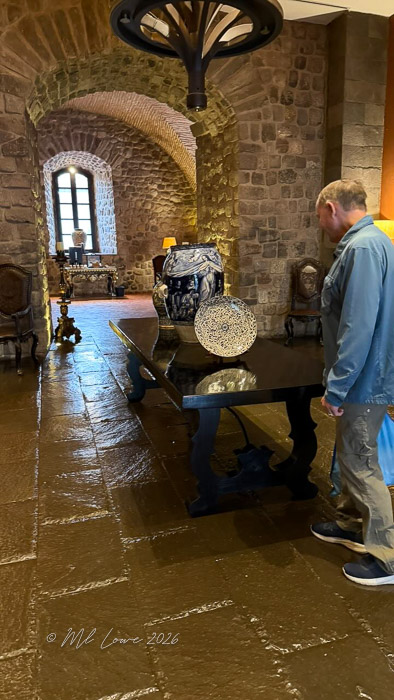
The decor of the hotel echoed it’s storied past with exposed stone columns, candle-lit chandeliers and double-height ceilings:

The small exhibit in the basement displayed preserved Incan artifacts and walls that were uncovered during the restoration process. We loved it!
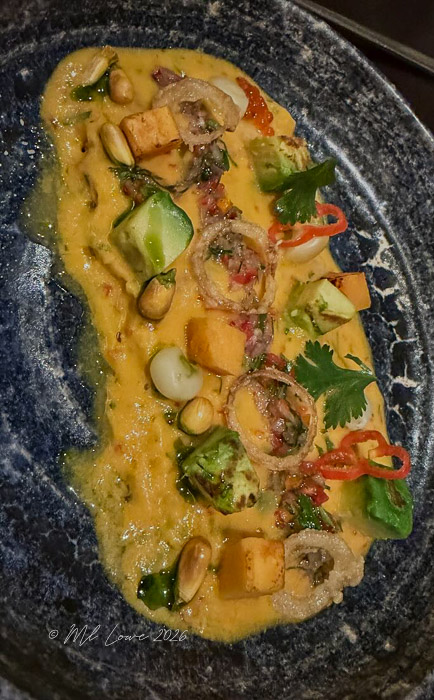
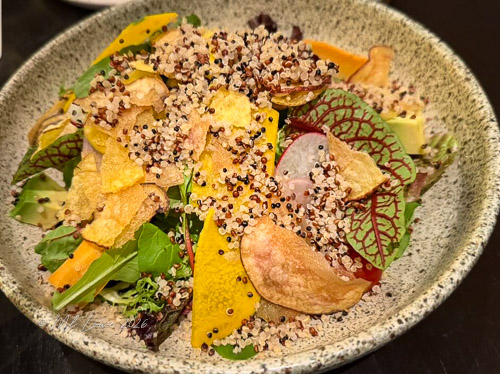
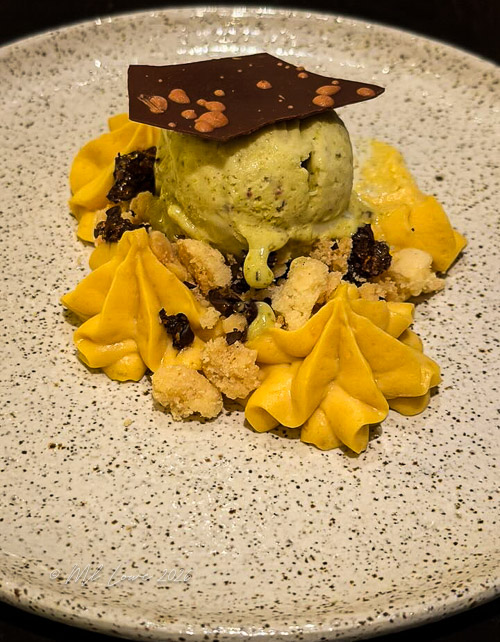
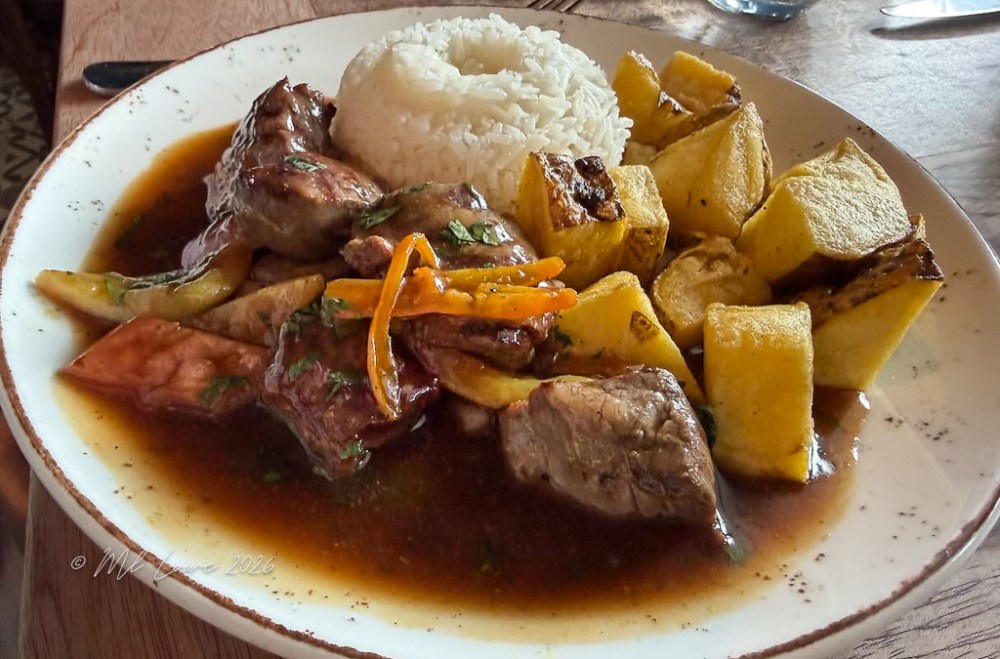
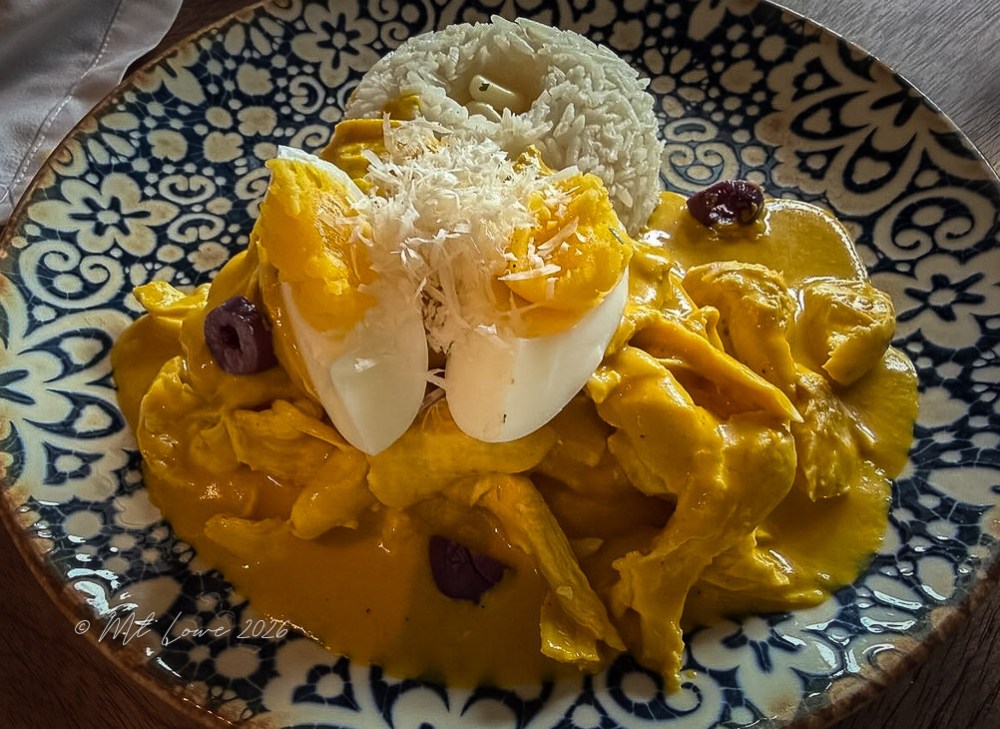
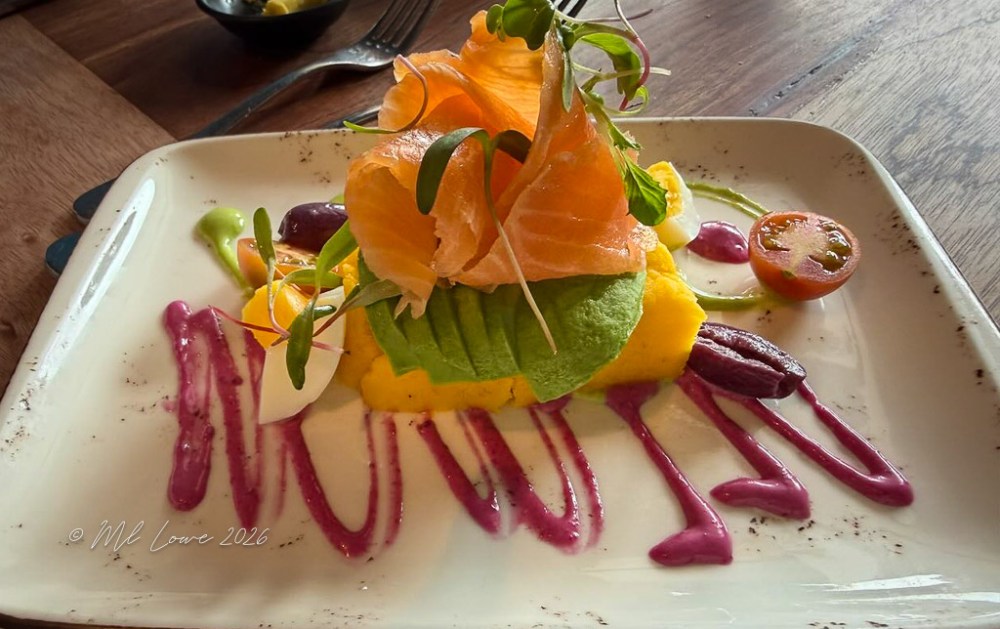
Peruvian cuisine is a vibrant fusion of flavors. It blends indigenous ingredients like lake-caught trout, corn and Andean potatoes. The trout Ceviche, was the best we’ve ever had, and we were immersed in the many delicious offerings. Below are some of the yummies; unfortunately I forgot what they are called:
What an exhausting but informative day. Thankfully, I did not get the dreaded altitude sickness. Perhaps it was because I was drinking a lot of the offered coca tea, or because the hotel pumped extra oxygen into its accommodations to help us acclimatize to the high altitude.
The city tour was such a cool way to dive into the Inca Empire and see why Cusco was such a big deal back in the day. The mix of Inca and Spanish colonial vibes makes the place really special. Today, Cusco is still a big deal for it is the gateway to numerous Inca ruins, especially Machu Picchu, which is now one of the New Seven Wonders of the World. And guess what?
That’s our next stop!
Next up: Mystical Machu Picchu!


Leave a Reply to Lowes TravelsCancel reply