Oct 8-15
This is the final segment covering the two-part story of our Viking Osfrid river cruise on the Douro River. Click here if you missed the first part.
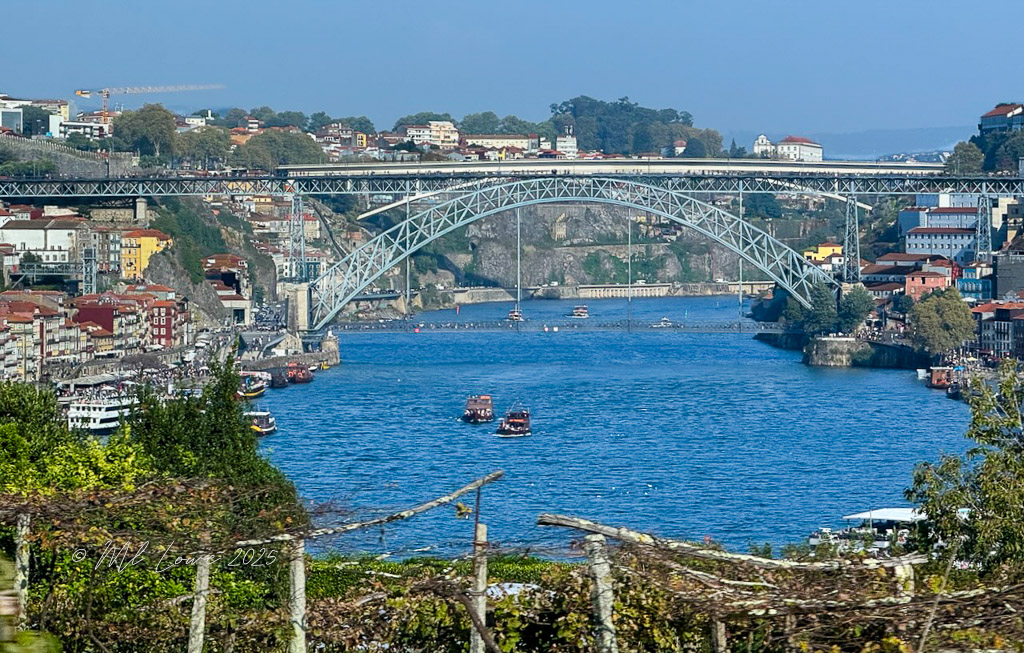
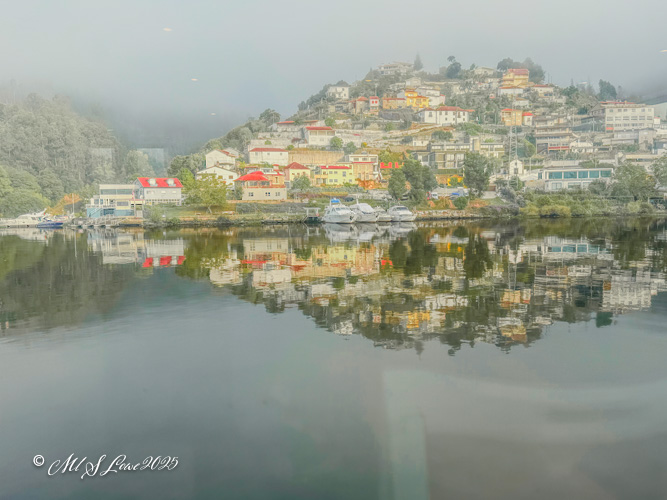
We joined all the included excursions offered , and below are the highlights of those fascinating, informative and fun excursions. We were impressed by how well they were organized, with very knowledgeable and professional guides. From them we gained a good understanding of Portuguese culture, food and history:
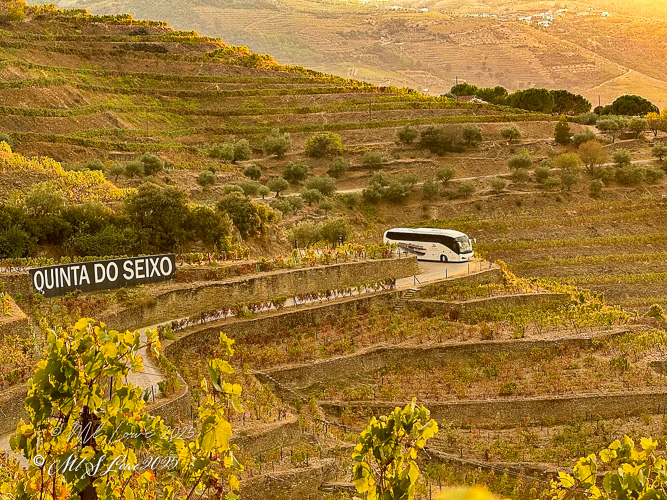

Wine Tasting
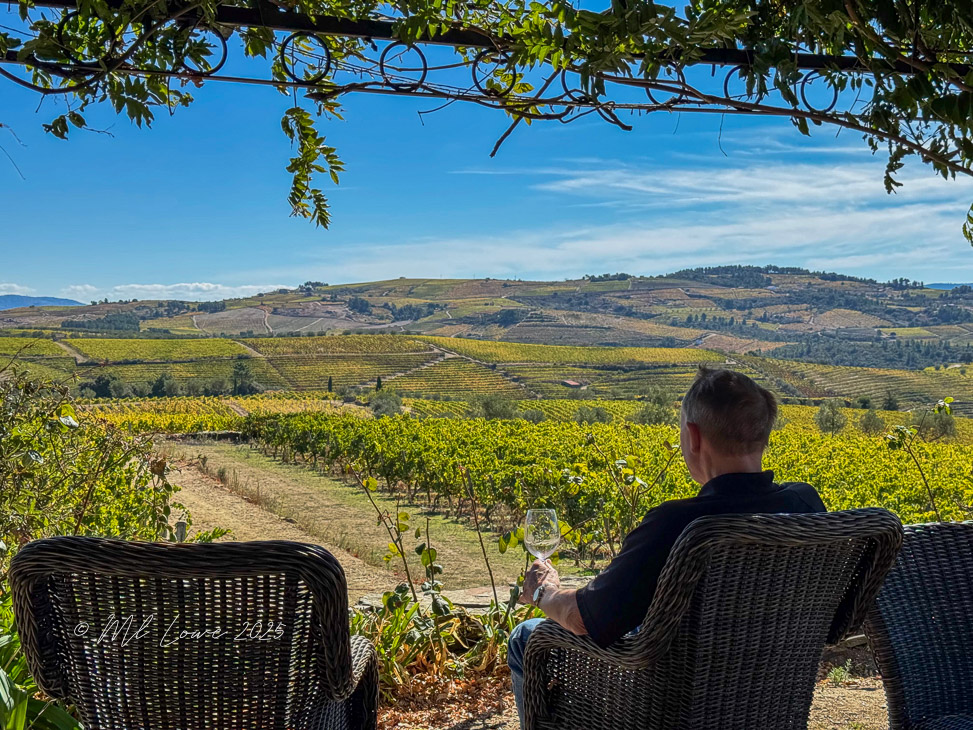
The scenic Douro Valley is the birthplace of port wine. As you may expect of us, some of the excursions we joined involved winery/cellar tours as we learned about centuries-old winemaking methods. What we loved about these tours was that they were more about understanding the incredible land and its importance as one of the world’s first big wine production areas.
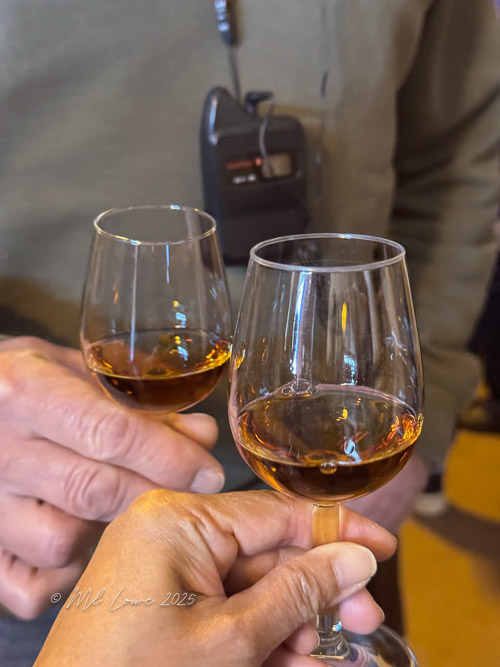
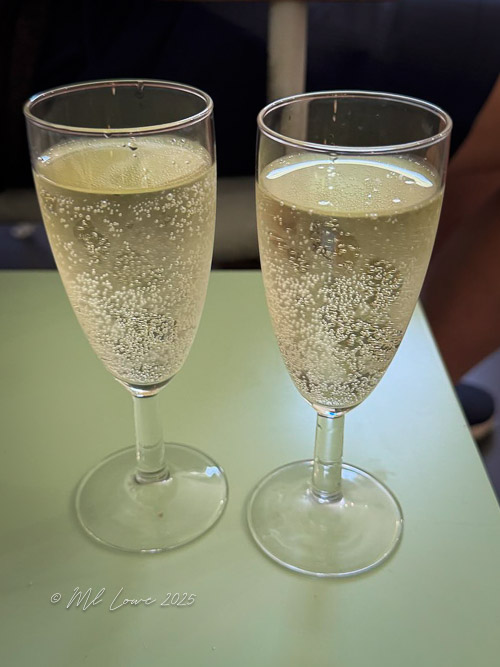
I won’t bore you with how the wines are impacted by geography and the climate, nor the types of grapes. But we sampled many of the wines of the region: Rosé, Port, Moscatel, and Vinho Verde (green wine) varietals. Each of them has a distinct taste because of the valley’s unique microclimate, combined with its steep hillsides and sun-drenched terraces:
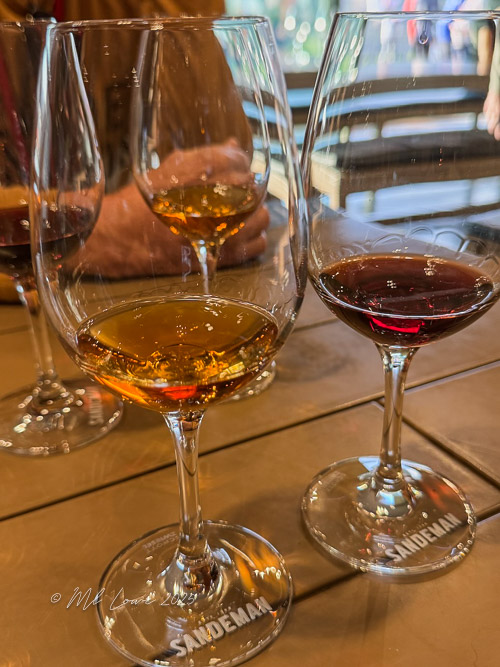

Green wine
We also learned that only port wine produced in the Douro Valley may be labeled as “true port”, which is required by the European Union’s Protected Designation of Origin. This is similar to Champagne, which can only be labelled that way if it comes from that region of France.
The cork industry
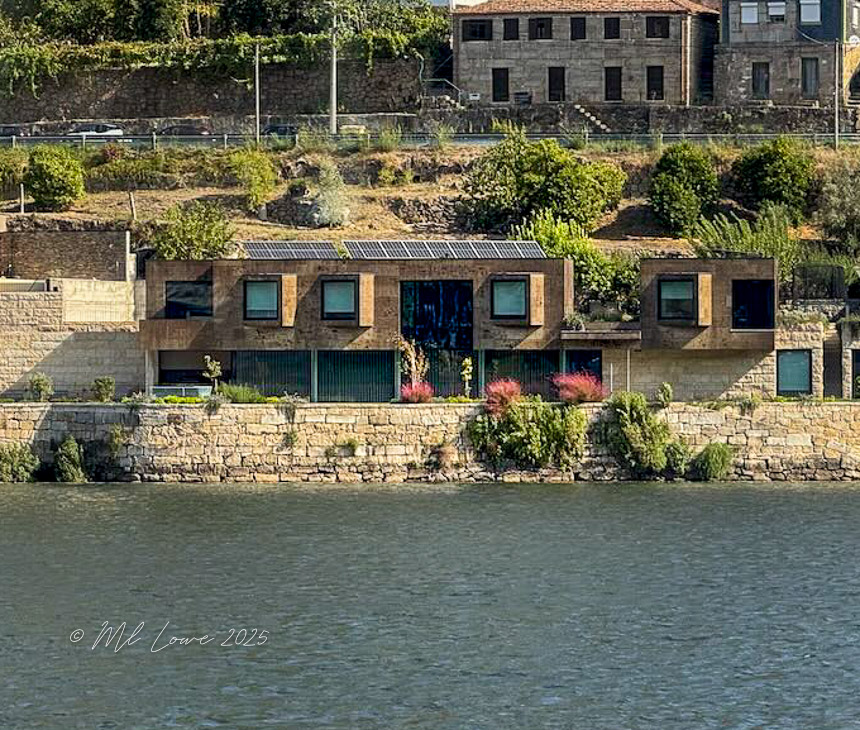
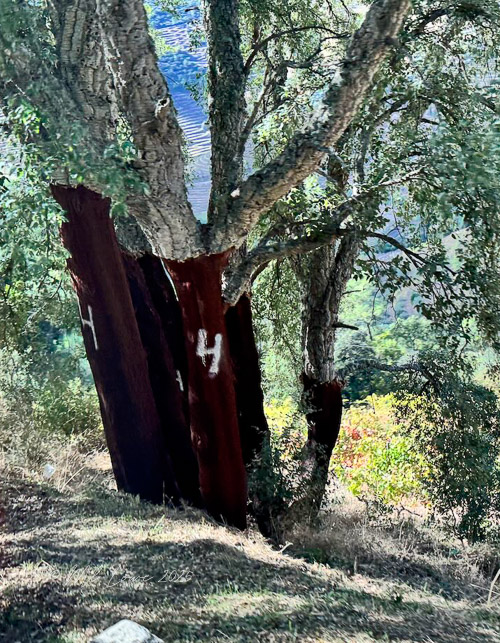
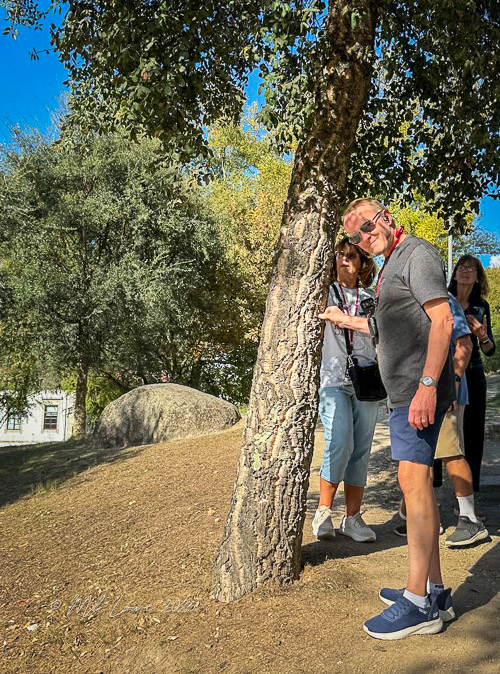
One of the surprising things we learned is that Portugal accounts for 50% of the global market in the cultivation and production of cork. I thought of cork only as a wine stopper, but on the ship the visiting “Cork Lady” gave a presentation detailing its cultivation, history and many uses. For example, cork is used for home interior and exterior walls, clothing, floor tiles, purses and necklaces – on and on. Steve even purchased a wallet made of cork and is very happy with it!

Only the bark of the cork oak tree is harvested, and the tree is never cut down. The bark regenerates every nine to twelve years, so one tree can produce a lifetime of harvests – making it very sustainable. Felling cork oaks is prohibited by Portuguese law.
History, culture and traditions
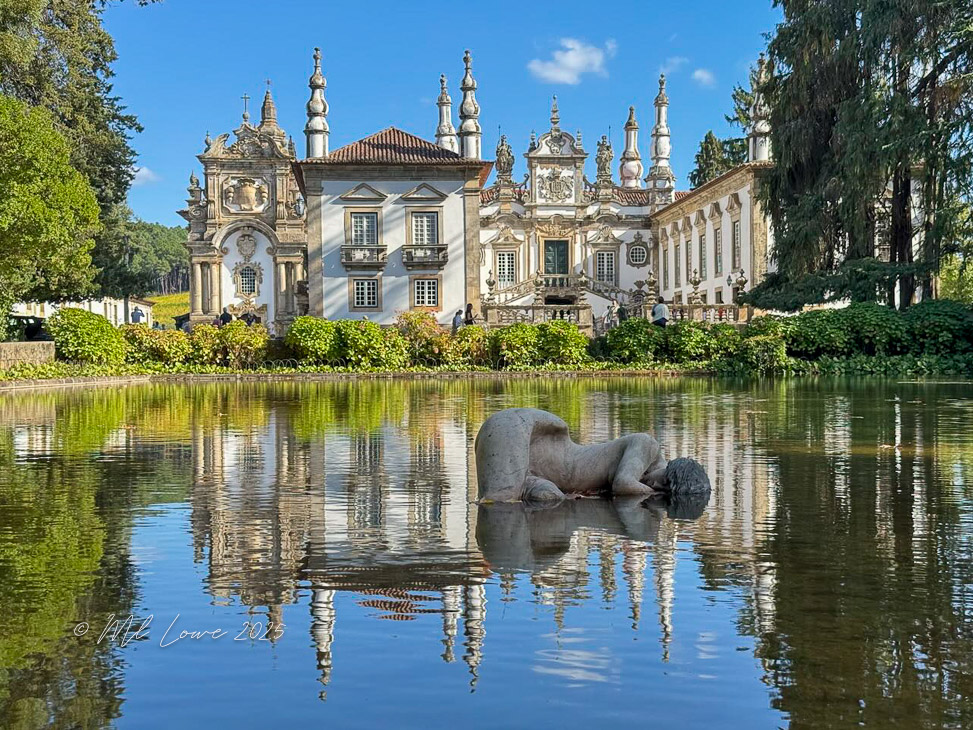
Palacio de Mateus
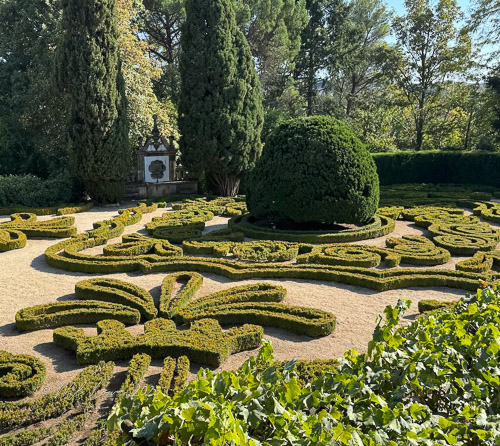
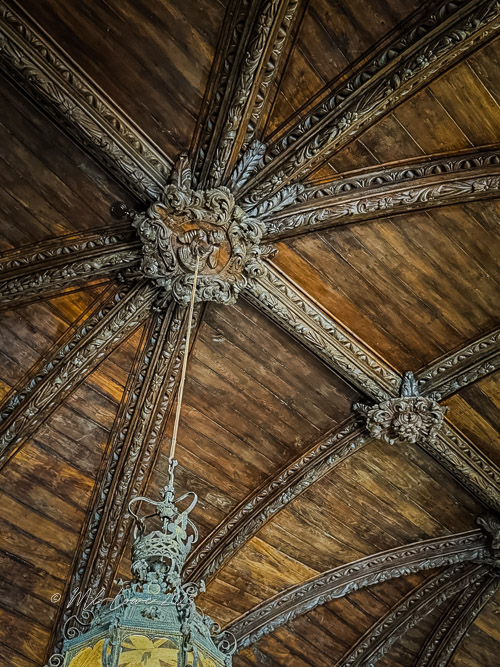
We took a tour inside the baroque-style Palacio de Mateus and its gardens. We saw many interesting furnishings, paintings and a ceiling made of intricately carved wood:


Castle of Castelo Rodrigo
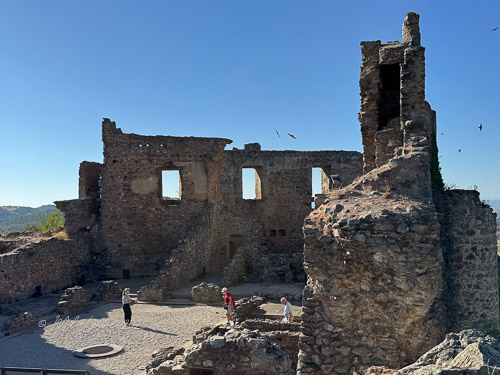
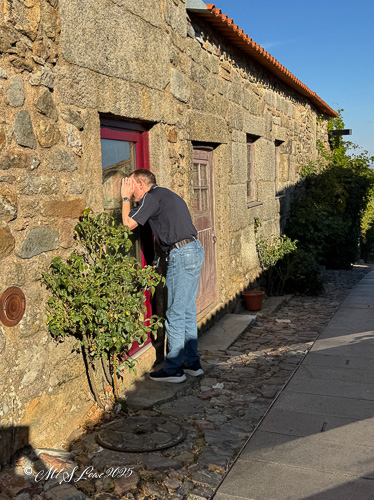
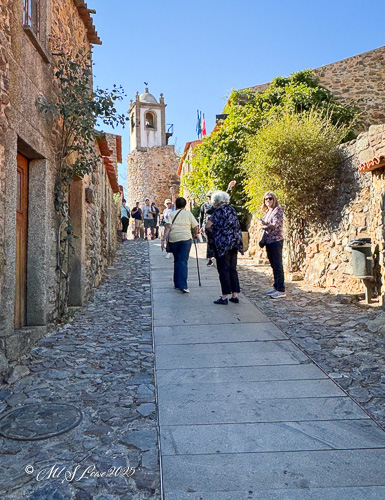
Next up, the Castle of Castelo Rodrigo is a tiny medieval fortress town perched high on a hilltop with centuries-old walls, steep narrow streets, 16th-century facades and traditional houses built using granite and shale. It’s one of the 12 officially recognized Historical Villages of Portugal. During our walking tour we learned about the coexistence of Christian, Muslim, and Jewish people living in the small village:


Lamego
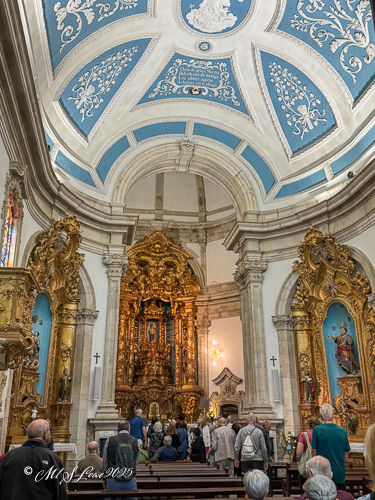
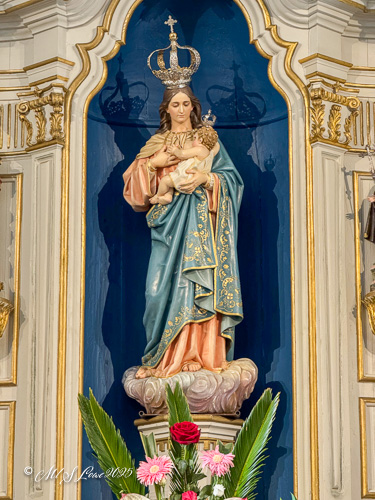
In the town of Lamego we visited the Nossa Senhora dos Remédios (Sanctuary of Our Lady of Remedies). The shrine features a staircase of 686 steps beautifully decorated with white and blue tiles called azulejos on its landings. Our tour began at the top of the hill, where we visited the church before walking all the way down to the town below:



Village of Favaios
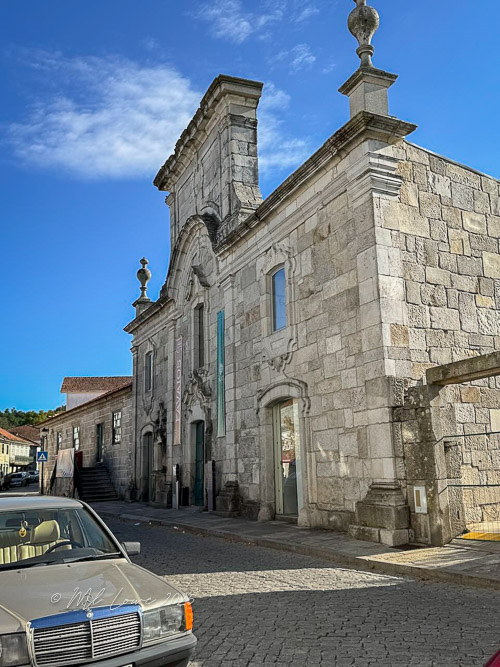
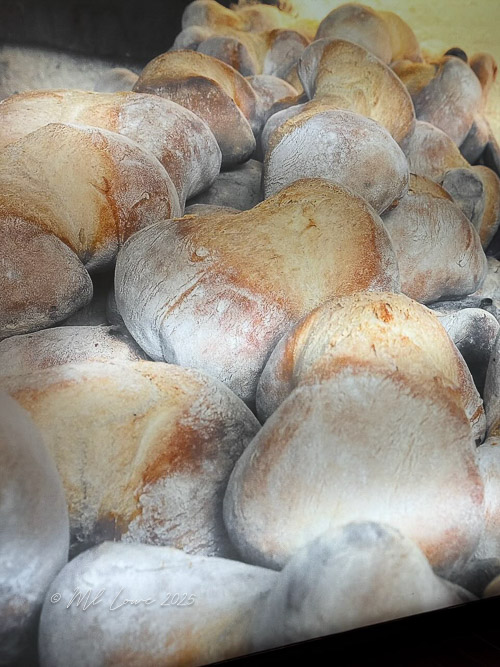
We traveled to the little village of Favaios, where baking and winemaking traditions of the Douro Valley have been carried throughout generations. First we visited the Museum of Bread and Wine to learn about the importance of the industry that sustains the village. Then at a traditional bakery we watched a resident baker demonstrate traditional techniques of making the “Four Corners” bread they are known for. We sampled fresh-from-the-oven bread which was crunchy rather than doughy 🙂


A day in Salamanca, Spain
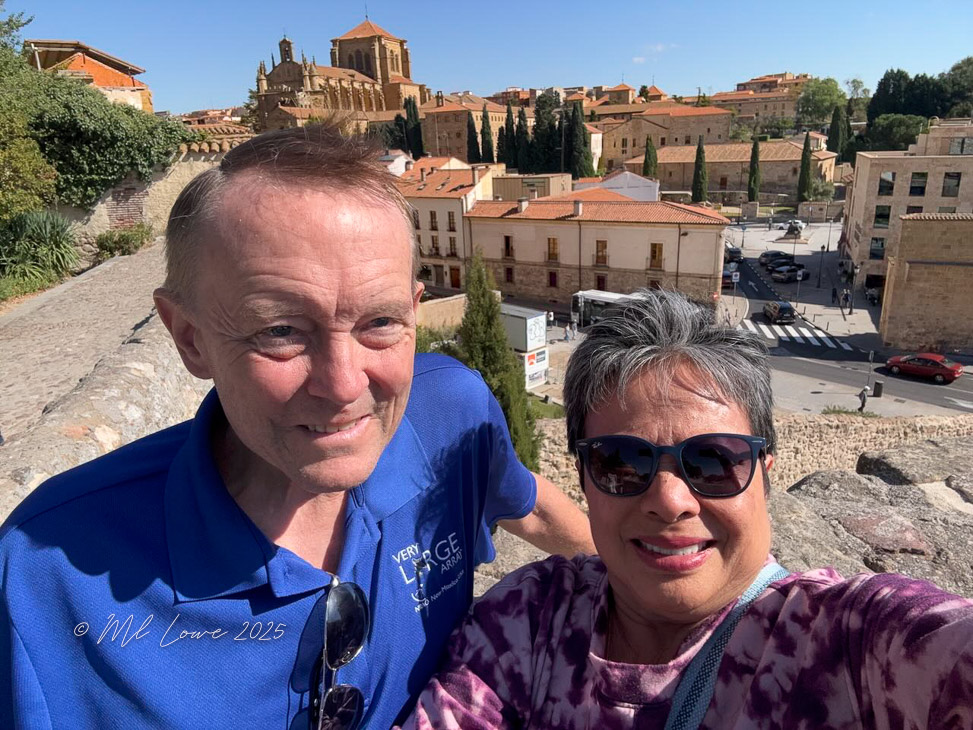
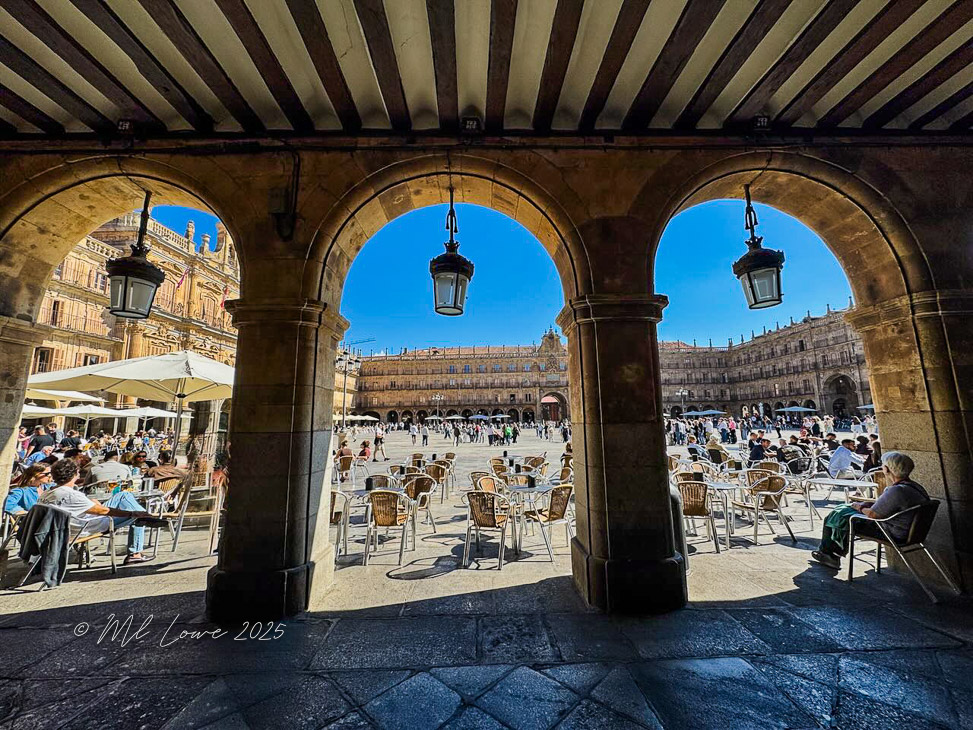
One day we crossed just over the border into Spain and visited Salamanca, a UNESCO World Heritage Site. It was a long two-hour scenic drive each way and well worth the time to visit another country. Built of golden sandstone, Salamanca is known as a “living museum”, and due to the glow of its sandstone structures it’s also called the Golden City.
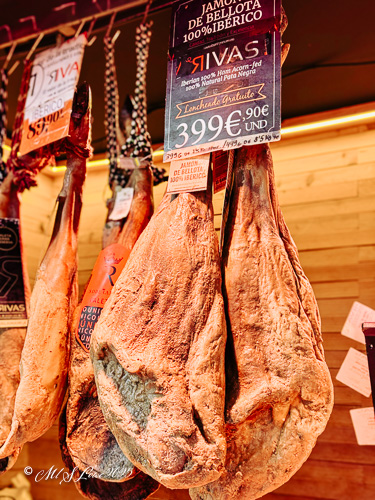
Our walking tour meandered through the historic city center as we learned a bit about the culture and foods – like Iberian ham (a Spanish dietary staple) and Monchego cheese – at the local market:

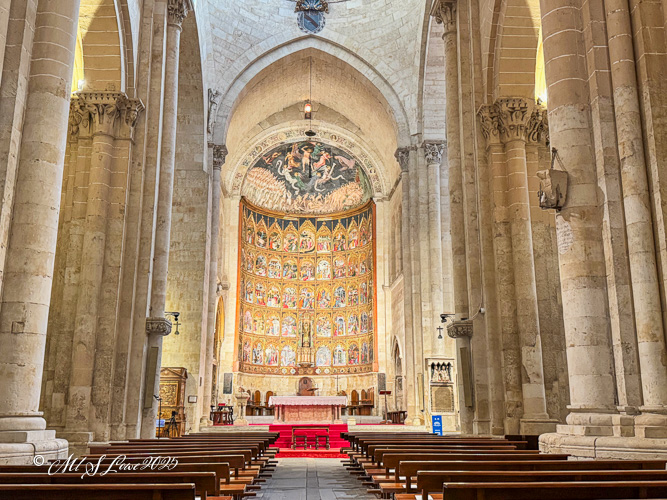
We also learned about the city’s history, including the famous University of Salamanca. It’s the oldest university in Spain. The city also holds two cathedrals, old and new:
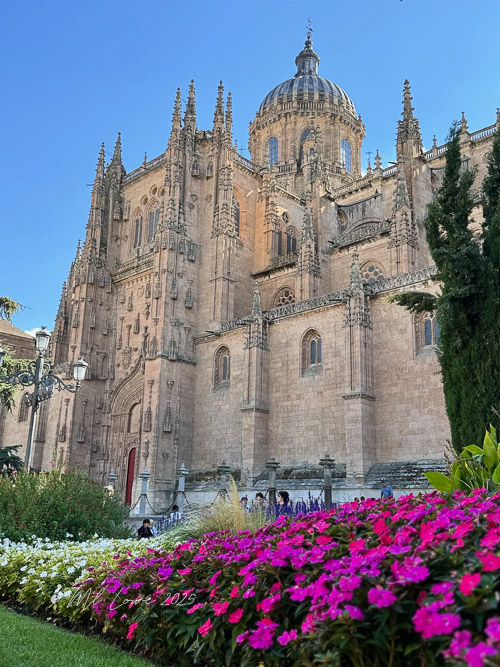
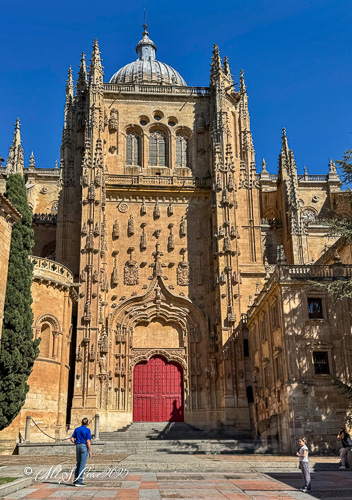
built between 1513 and 1733

Historic Guimarães
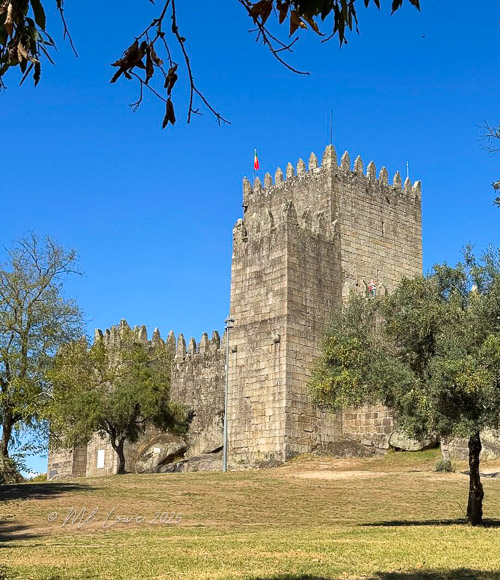
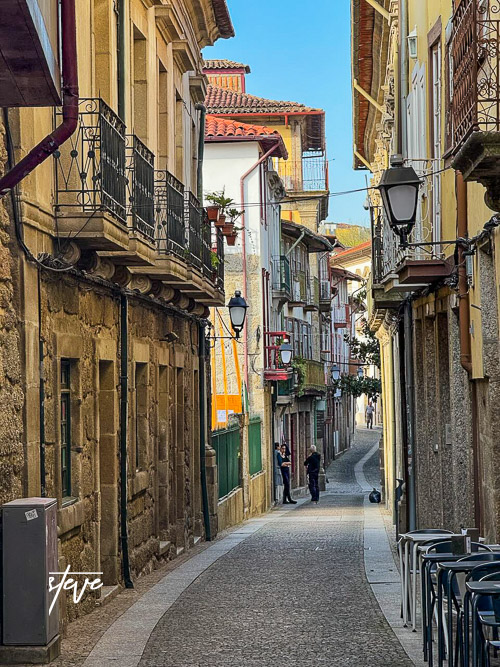
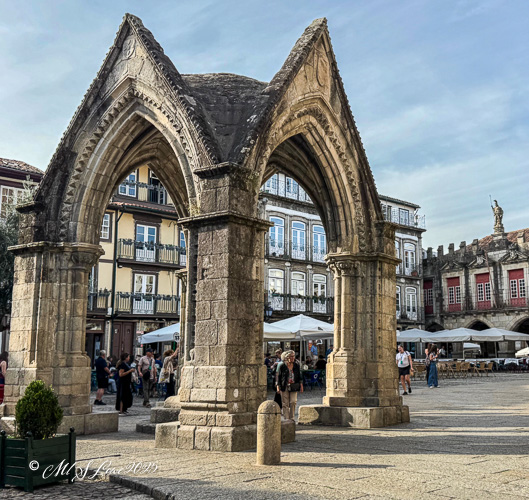
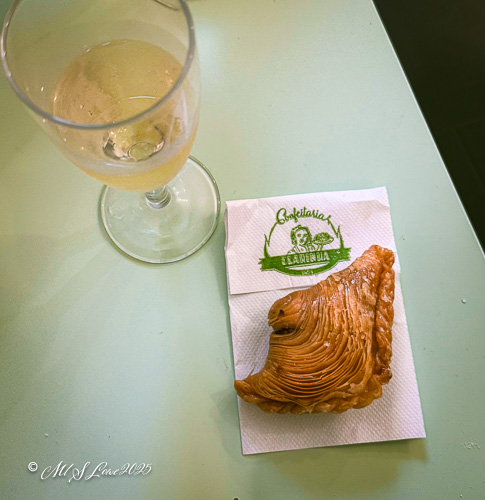
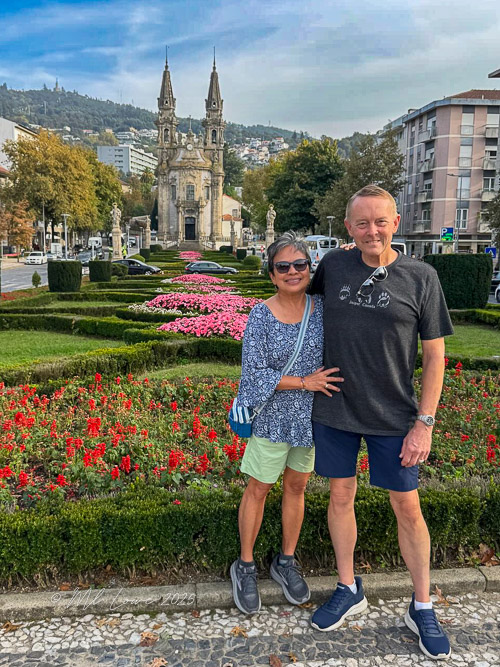
Guimarães is often referred to as “the birthplace of the Portuguese nation”. It was Portugal’s first capital in the 12th century and home to its first king, Afonso Henriques. We enjoyed a guided walk through the narrow streets of the city’s medieval Old Town, yet another UNESCO World Heritage Site:

Before we knew it we were back in Porto…
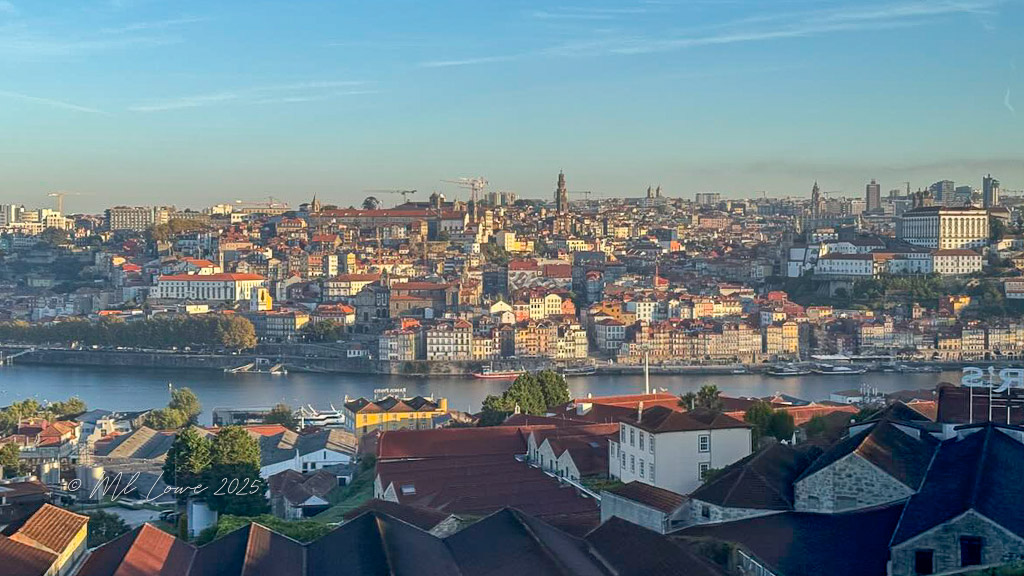
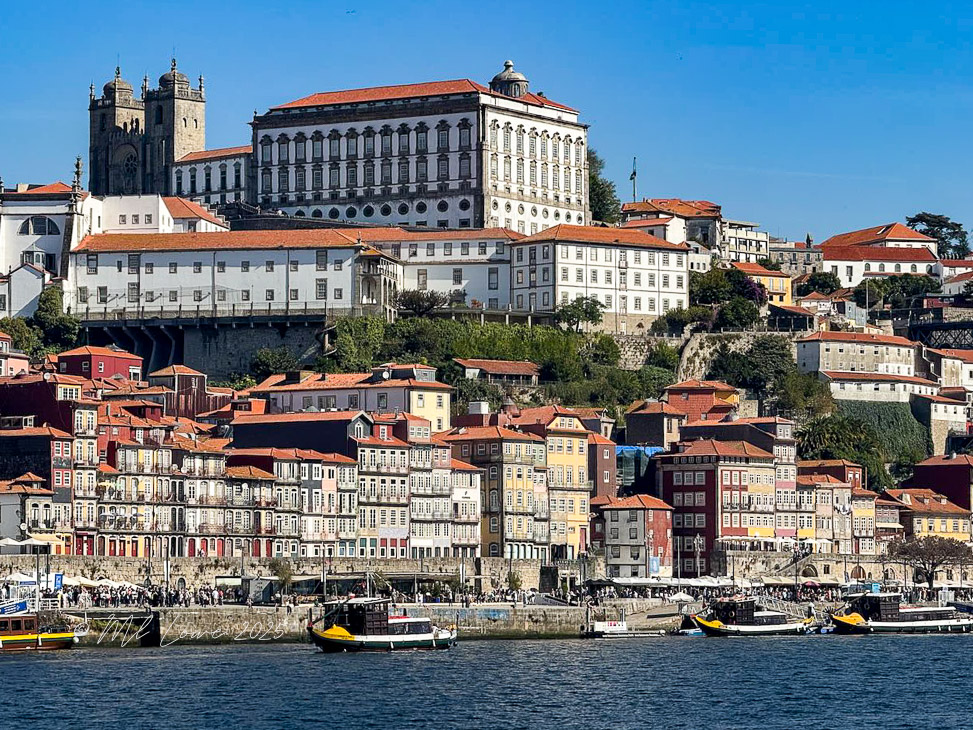
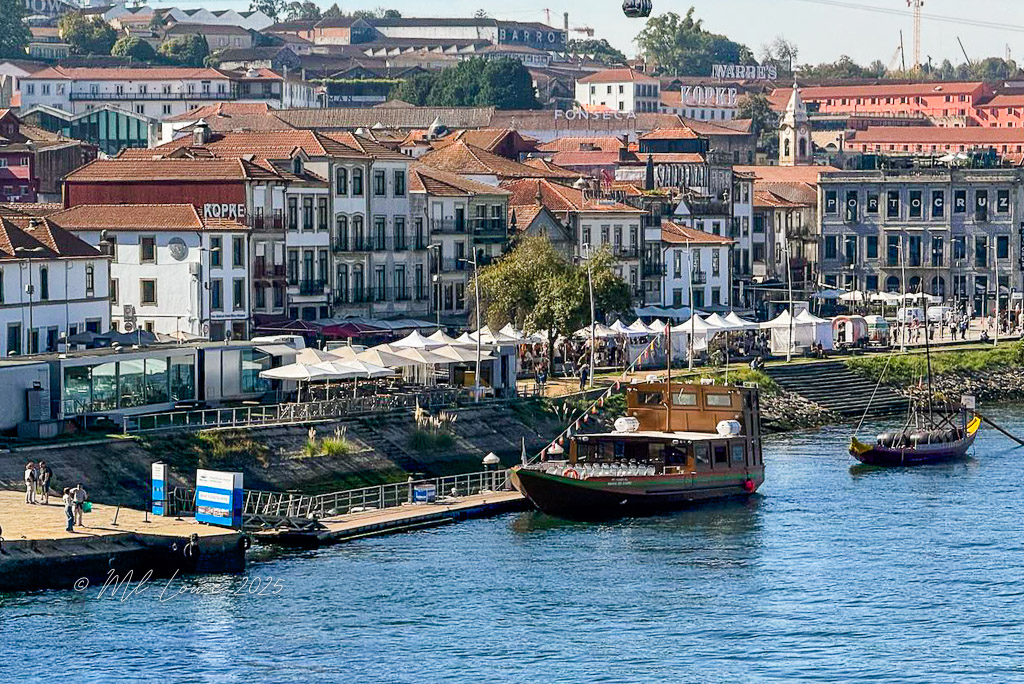
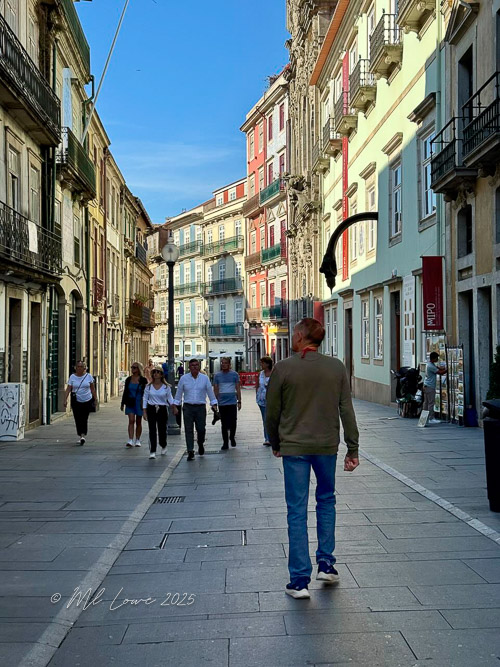
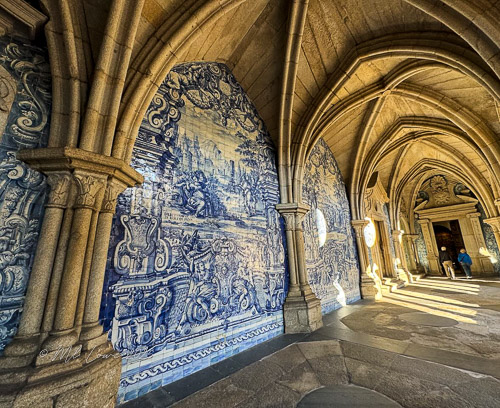
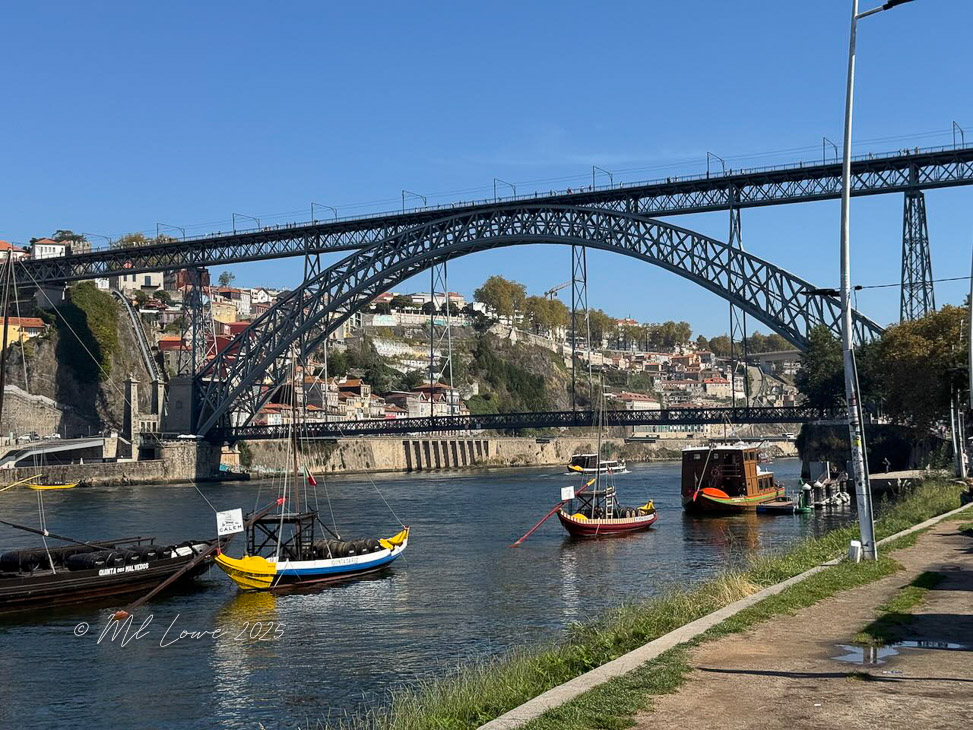
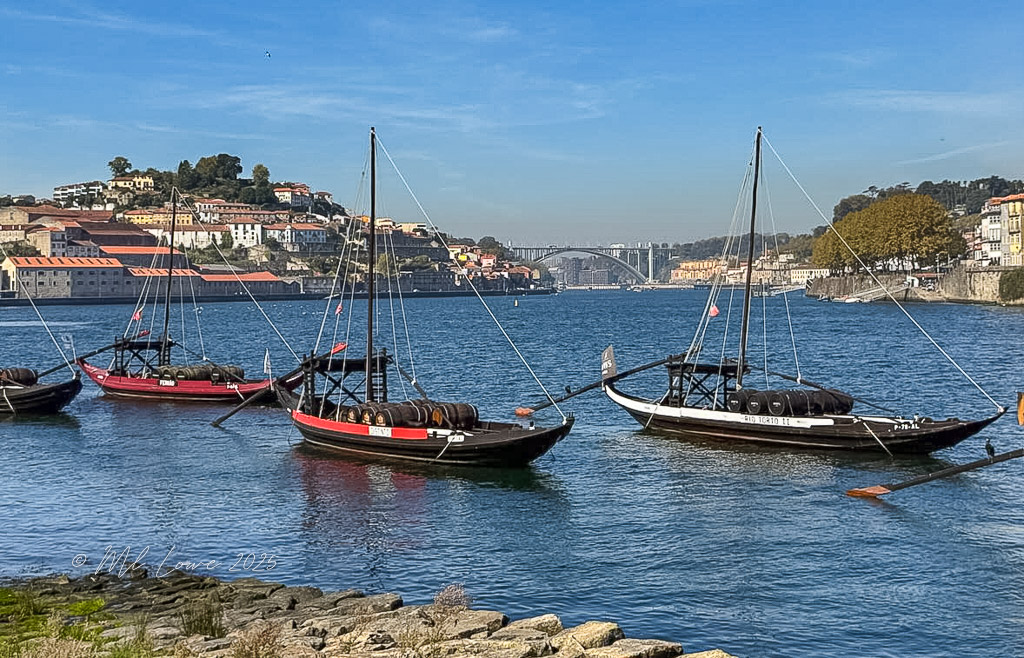
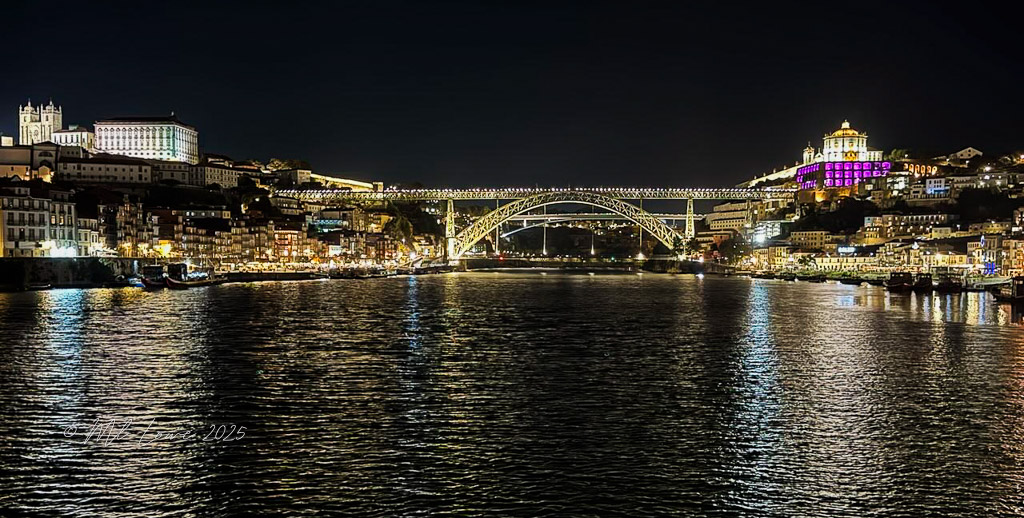
I know this is getting long, but hang in there as I show a little bit about Porto. It’s Portugal’s second-largest city after Lisbon. Our final excursion was a walking tour within the city’s historic district, and although I took dozens of pictures these are the highlights:
The main hall at St. Benedict Train Station is breathtaking, with over 20,000 tiles that took 10 years to complete and depict the history of Portugal. This short video captures some of the real beauty of the azulejos, the decorative tiles that Portugal is known for:
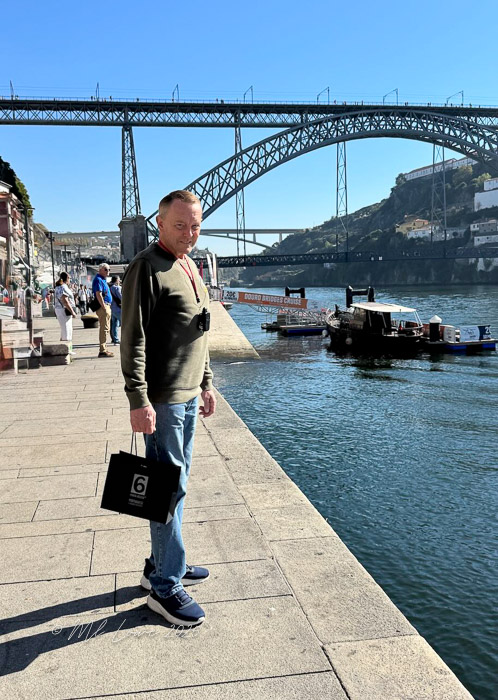
We had a great time in Porto and in the Douro Valley. Not only did we savor the wines but we also enjoyed viewing the sublime hillsides that line the river. We learned a lot about the Douro Valley and its people and heritage, and felt that we had experienced the real Portugal. We also took home some REAL port wine to share with friends!
And that, my dear readers, is the final post of 2025.
Thank you for reading and stay tuned for next year’s adventures.
Comments
3 responses to “Experiences at Iconic Douro River Valley – Portugal”
I wasn’t able to comment on Part 1 so here it is…I love that you got to see Kevin and Laura. You did such a great job sharing all the info on the locks and low bridges. Thanks for the videos! You certainly did get lots of info and wine!! What another spectacular trip! Merry Christmas to you and Steve:)
Another fantastic post MonaLiza. I don’t know how you keep all those facts and figures in your head and then share them with us! I just know, I’m glad you do!
Happy Holidays to you and Steve, see you soon…..
My favorite part of this post was seeing you enjoying warm weather overlooking peaceful scenery, which looks so good as I am reading this on the chilly shortest day of the year. While I know you had a wonderful time in this last round of travels, I hope you are enjoying your home time as much. Merry Christmas, and we can’t wait to see what shenanigans await you in 2026!